
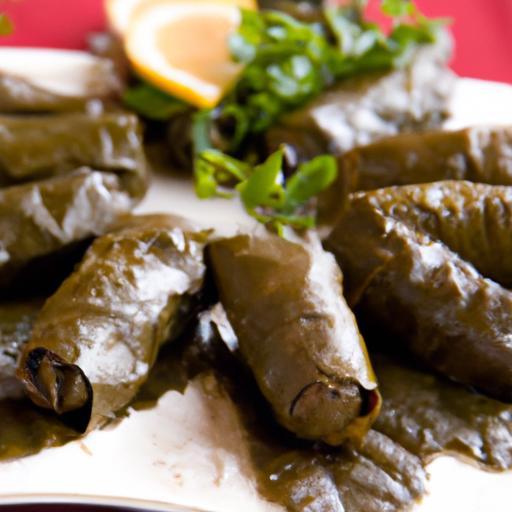
In kitchens around the Mediterranean and the Middle East, a humble leaf holds centuries of history, culture, and culinary artistry within its delicate folds. Stuffed grape leaves-known by many names, cherished in countless homes-are more than just a dish; they are edible heirlooms, wrapped meticulously with tradition and flavor. This artful preparation, blending fragrant herbs, tender grains, and succulent fillings, tells a story of generations who have perfected the craft of transforming simple ingredients into a feast of taste and meaning. Join us as we unravel the rich tapestry behind stuffed grape leaves, exploring their origins, cultural meaning, and the timeless techniques that keep this beloved tradition alive on tables worldwide.
Wrapped in Tradition: The Art of stuffed Grape Leaves
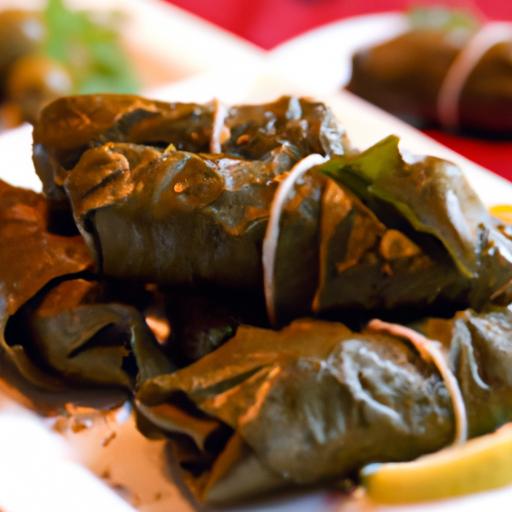
Wrapped in Tradition: The Art of Stuffed Grape Leaves is an invitation too explore a dish steeped in history, culture, and culinary finesse. This beloved recipe dates back millennia, traveling through Mediterranean, Middle Eastern, and Balkan kitchens, carrying stories of shared meals, festive celebrations, and family legacy. My earliest memories involve the intoxicating aroma of tangy lemon and fragrant herbs simmering on the stove, signaling that a hearty batch of stuffed grape leaves was near. perfecting this dish means balancing the flavors of earthy rice, savory meat, and vibrant herbs while mastering the gentle art of folding delicate grape leaves to preserve that signature tender yet firm bite.
Prep and Cook Time
- Preparation Time: 30 minutes
- Cooking Time: 50 minutes
- Total Time: 1 hour 20 minutes
Yield
Approximately 30 stuffed grape leaves (serves 6 as an appetizer or side dish)
Difficulty Level
Medium – Requires patience and attention to rolling technique, but very rewarding.
ingredients
- 1 jar (16 oz) grape leaves, packed in brine, rinsed and drained
- 1 cup long-grain rice, rinsed and drained
- 250g ground lamb or beef (optional for vegetarian version)
- 1 medium onion, finely chopped
- 2 cloves garlic, minced
- 1/4 cup fresh parsley, chopped
- 1/4 cup fresh dill, chopped
- 1/4 cup fresh mint, chopped
- 1/4 cup olive oil, plus extra for drizzling
- Juice of 2 lemons, plus wedges for serving
- 1 tsp ground allspice
- Salt and pepper, to taste
- 2 cups low-sodium vegetable or chicken broth
Instructions
- Prepare the grape leaves: Rinse the grape leaves under cold water to remove excess brine.Blanch leaves in boiling water for 1-2 minutes to soften. Drain and set aside on a clean towel.
- Make the filling: Heat 2 tablespoons olive oil in a skillet over medium heat. Add onion and garlic, sauté until soft and translucent, about 5 minutes. Add ground meat if using, cooking until browned and cooked through. Remove from heat and let cool slightly.
- Combine the filling: In a mixing bowl, stir together rice, sautéed onion and meat mixture, chopped herbs, allspice, salt, pepper, lemon juice, and remaining olive oil. Mix well.
- Roll the leaves: Place a grape leaf shiny side down on a flat surface. Position 1 tablespoon of filling near the stem end. Fold the sides over the filling and roll tightly from the stem end up, forming a small cigar-shaped parcel. Repeat with remaining leaves and filling.
- Arrange and cook: Line the bottom of a large pot with a clean grape leaf to prevent sticking. Place the rolls seam-side down, packing them snugly in layers. Pour broth over the stuffed leaves and add lemon juice. Place a heavy plate on top to keep them submerged.
- Simmer gently: Cover the pot and simmer on low heat for 45-50 minutes until rice is tender and grape leaves are tender but intact.
- Serve: allow to cool slightly before serving. Drizzle with extra olive oil and garnish with fresh lemon wedges and sprigs of parsley.
Chef’s Notes: Tips for Success
- Choose grape leaves carefully: Look for tender young leaves rather than overly mature ones, which can be tough and bitter.
- Rice tips: Use long-grain rice and ensure it’s well rinsed to prevent clumping and achieve the perfect fluffy texture inside the rolls.
- Meat variation: For a vegetarian take, omit the meat and add chopped mushrooms or pine nuts to deepen the filling’s texture and flavor.
- Rolling technique: Don’t overfill the leaves; keep the rolls compact to prevent splitting during cooking.
- Make-ahead: Stuffed grape leaves can be made the day before and refrigerated. Reheat gently in a covered skillet or steamer with a splash of broth.
Serving Suggestions and Pairings
Serve these beautifully wrapped parcels chilled or at room temperature as part of a mezzé spread alongside creamy tzatziki, luminous tabbouleh, and crisp pita bread.A chilled glass of dry white wine or an herbal iced tea complements the lemony brightness perfectly. Garnish with fresh dill sprigs and a drizzle of quality extra virgin olive oil to elevate the dish visually and in flavor. For a heartier meal, offer alongside grilled lamb kebabs or a rich eggplant spread.

| Nutrient | Per Serving (5 rolls) |
|---|---|
| Calories | 180 kcal |
| Protein | 7 g |
| Carbohydrates | 25 g |
| Fat | 6 g |
Discover more timeless Mediterranean recipes like Homemade Tabbouleh to create a stunning table of shared dishes. For deeper insight into grape leaf cultivation and harvesting, visit Encyclopaedia Britannica.
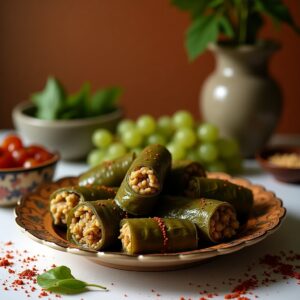
Q&A
Q&A: Wrapped in Tradition: The Art of Stuffed Grape Leaves
Q1: What are stuffed grape leaves,and why are they considered a traditional dish?
A1: Stuffed grape leaves,often known as dolmas or dolmades in various cultures,are grape leaves meticulously filled with a mixture of rice,herbs,spices,and sometimes meat. This dish traces its roots back thousands of years to the ancient civilizations surrounding the Mediterranean and Middle East. Their enduring presence at family tables and festive gatherings makes them a cherished symbol of culinary heritage and cultural identity.
Q2: How did grape leaves become a popular ingredient for wrapping food?
A2: Grape leaves have been a natural choice for wrapping food due to their pliability, unique flavor, and availability in vine-growing regions. Historically, wrapping foods in leaves was practical: it preserved flavors, retained moisture during cooking, and allowed for easy portability. Over centuries, grape leaves evolved from humble kitchen wrappers to the star ingredient of an artful, beloved dish.
Q3: What is the basic process of preparing stuffed grape leaves?
A3: The art begins with tender grape leaves, often blanched to soften them. The filling-commonly a fragrant blend of rice, fresh herbs like dill and mint, pine nuts, and sometimes minced lamb or beef-is carefully spooned onto each leaf. Then comes the delicate roll, folding the leaf like a tiny parcel to encase the filling tightly. The rolls are layered snugly in a pot, gently simmered in lemony broth until every bite melds flavors and textures.
Q4: Are there regional variations of stuffed grape leaves?
A4: Absolutely! While the core concept remains consistent,regional twists abound. In Greece, dolmades are typically vegetarian, bursting with lemon and herbs. In Turkey, they might include currants and pine nuts for sweetness, while Lebanese versions often blend rice with ground lamb and aromatic spices. even wrapping styles differ-some prefer loose rolls, others crisp, tight bundles. These nuances showcase the dish’s adaptability and cultural significance.
Q5: What makes eating stuffed grape leaves a unique sensory experience?
A5: Beyond taste, stuffed grape leaves engage multiple senses. The tangy aroma of lemon mingled with earthy herbs teases the nose. Their tender yet slightly chewy texture invites slow savoring. The gentle tartness of the grape leaf contrasts harmoniously with the savory, sometimes nutty filling. Each bite is a journey through history and tradition, wrapped in an edible leaf.
Q6: Why is stuffed grape leaves considered more than just food in many cultures?
A6: Stuffed grape leaves embody community, hospitality, and the passing of wisdom through generations. Preparing them is often a communal affair, gathering family members around the table to hand-roll countless leaves while sharing stories. Serving stuffed grape leaves at celebrations is a gesture of welcome and respect. Thus, they transcend culinary delight to become a vessel of cultural continuity and love.
Q7: Can stuffed grape leaves be adapted for modern diets?
A7: Definitely! While tradition frequently enough calls for rice and meat, vegetarian and vegan versions are widely celebrated. Modern chefs experiment with quinoa, bulgur, or even cauliflower rice for low-carb options. Spices and herbs can be tailored to suit contemporary palates, and cooking methods adapted for convenience without sacrificing authenticity. The art of stuffed grape leaves is a living tradition-open to innovation while honoring its roots.
Whether you know them as dolmas, sarma, or yaprak sarma, stuffed grape leaves wrap generations of culinary artistry in every fold-an edible emblem of tradition, taste, and togetherness.
Future Outlook
As the vine leaves gently cradle their savory treasures, the art of stuffed grape leaves unfolds as a timeless tapestry woven with culture, history, and heartfelt tradition. Each bite carries not just flavor, but stories passed down through generations-stories of family gatherings, festive celebrations, and the simple joy of sharing a meal. Whether enjoyed as a humble street food or a cherished holiday dish, stuffed grape leaves remain a delicious emblem of heritage, inviting us all to savor the rich legacy wrapped within their tender folds. In embracing this culinary craft, we keep alive a tradition that nourishes both body and soul, one grape leaf at a time.