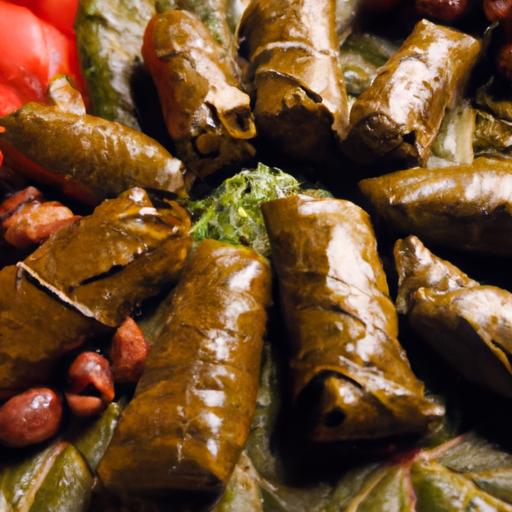

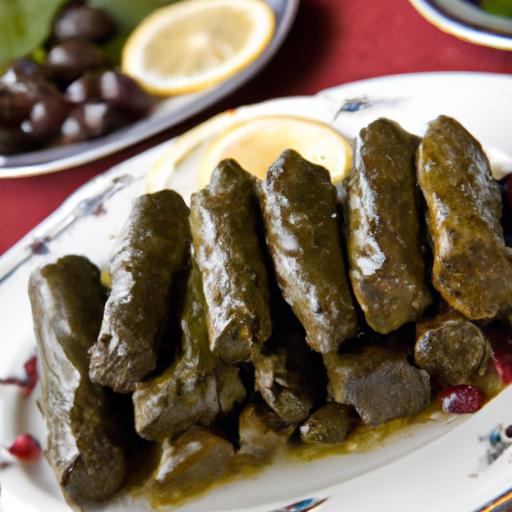
Few dishes capture the essence of Middle Eastern hospitality quite like warak enab-tender grape leaves lovingly stuffed with a fragrant mixture of rice, herbs, and spices. Frequently enough served as an appetizer or a comforting main, these little parcels tell a story of tradition, family gatherings, and the timeless art of hand-rolling each leaf with care. In this article,we unwrap the secrets behind warak enab,exploring it’s rich history,regional variations,and the techniques that transform humble ingredients into a culinary masterpiece. Join us as we delve into the world of stuffed grape leaves, where every bite is a journey through culture, flavor, and craftsmanship.
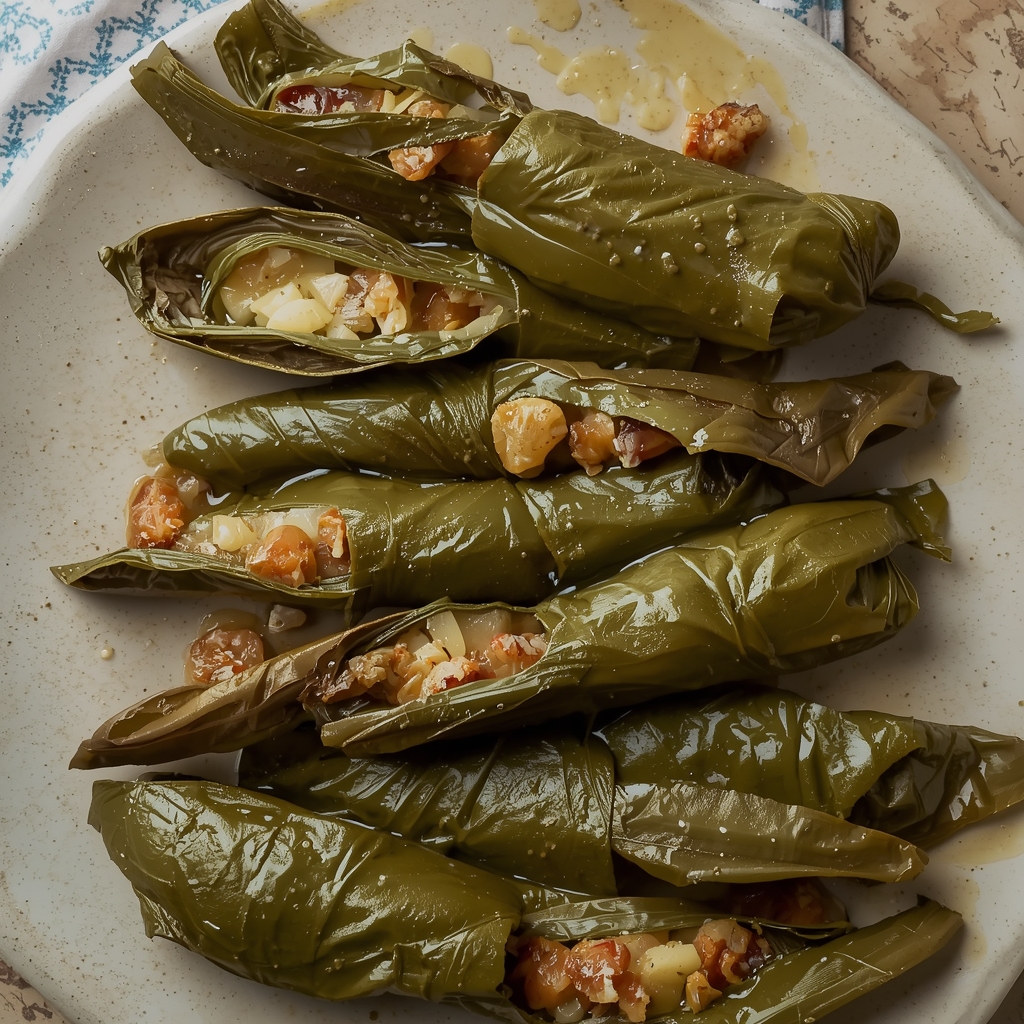
Warak enab Unwrapped: The Art of Stuffed Grape Leaves
Warak Enab,a treasured culinary gem from the Middle East,embodies centuries of tradition wrapped lovingly in tender grape leaves.This dish is not merely a meal; it’s a vivid narrative of culture, family gatherings, and regional pride that has crossed borders and generations. My first encounter with Warak Enab was at a bustling Beirut street market, where the smoky aromas and delicate balance of spices inspired a lifelong passion for mastering this venerable recipe. Whether served as a comforting mezze or a festive main, it effortlessly bridges simplicity and sophistication.
Prep and Cook Time
- Preparation: 30 minutes
- Cooking: 1 hour 15 minutes
- Total Time: 1 hour 45 minutes
Yield
Approximately 40 stuffed grape leaves (serves 6 as an appetizer or 4 as a main)
Difficulty Level
Medium – requires patience and attention to detail, but rewarding for all skill levels
Ingredients
- 250g fresh grape leaves, rinsed and drained (or 1 jar preserved grape leaves, rinsed)
- 1 cup long-grain rice, rinsed and drained
- 250g ground lamb or beef (optional for vegetarian version)
- 1 large onion, finely chopped
- 2 tbsp pine nuts, toasted
- ½ cup fresh parsley, chopped
- ¼ cup fresh mint leaves, chopped
- 2 tbsp tomato paste
- 1 tsp ground allspice
- 1 tsp ground cinnamon
- ½ tsp black pepper
- Salt to taste
- ½ cup olive oil, plus more for drizzling
- Juice of 2 lemons
- 2 cups water or vegetable broth
Instructions
- Prepare the Filling: In a large skillet, heat ¼ cup olive oil over medium heat.Add the chopped onion and sauté until translucent, about 5 minutes. If using meat, add it now and cook until browned, about 7 minutes, stirring frequently to break up clumps.
- Add spices and Herbs: Stir in the pine nuts, tomato paste, allspice, cinnamon, black pepper, and salt. Cook for another 2 minutes until fragrant.
- Combine Rice and Herbs: Remove from heat and mix in the rinsed rice, fresh parsley, and mint leaves.Allow this filling to cool slightly to make rolling easier.
- Prepare Grape Leaves: lay a grape leaf flat, shiny side down. Trim the stem ends and place about 1 tablespoon of filling near the base of the leaf.
- Roll and Shape: Fold the sides inwards tightly over the filling,than roll upwards from the base to form a neat,compact cylinder.Aim for consistent size to ensure even cooking.
- Arrange in pot: Layer the bottom of a heavy pot with a few grape leaves to prevent sticking. Place the rolls snugly in tight rows, seams down, packing them close but not crushed.
- Add Liquid and Cook: Drizzle with the remaining olive oil and lemon juice. Pour water or broth gently to just cover the rolls. Place a heavy plate atop the rolls to keep them submerged.
- Simmer: Cover and bring to a gentle simmer. Cook on low heat for 55-65 minutes until rice is tender and leaves are tender but intact.
- rest and Serve: remove from heat,let rest for 10 minutes before serving. This allows flavors to meld perfectly.
Tips for Success
- Leaf Selection: For fresh leaves, choose tender young grape leaves and blanch briefly to soften. Preserved leaves should be well rinsed to remove salt.
- Rice Choice: Long-grain rice holds texture well; avoid short-grain types that may become mushy.
- Rolling Technique: keep your rolls tight but gentle to avoid tearing the leaves or spilling the filling.
- Make Ahead: These improve in flavor the next day. Store leftovers covered in the refrigerator for up to 3 days.
- Vegetarian Version: Omit the meat and increase herbs and pine nuts for a vibrant, fresh filling.
Serving Suggestions and Pairings to Elevate Your Dish
Warak Enab shines beautifully when paired with a dollop of creamy labneh or thick Greek yogurt drizzled with olive oil. Fresh lemon wedges heighten its radiant, earthy notes. Incorporate a chilled cucumber and tomato fattoush salad for a refreshing balance.For beverages, a crisp white wine like Sauvignon Blanc or a lightly spiced mint tea can elevate the entire experiance.

Nutritional Facts (per Serving)
| Calories | Protein | Carbs | Fat |
|---|---|---|---|
| 220 kcal | 8g | 30g | 8g |
For more Middle Eastern classics that harmonize with Warak Enab,explore our Ultimate mezze guide. for an in-depth cultural background on stuffed dishes worldwide, visit Britannica’s article on stuffed vegetables.
Q&A
Q&A: warak Enab Unwrapped – The Art of Stuffed Grape Leaves
Q: What exactly is warak Enab?
A: Warak Enab, frequently enough known as stuffed grape leaves, is a beloved dish in Middle Eastern and Mediterranean cuisines. It features tender grape leaves wrapped around a flavorful stuffing,typically a mix of rice,herbs,spices,and sometimes meat. Think of it as a little, savory gift wrapped in nature’s own edible paper!
Q: Where does warak Enab originate from?
A: While many cultures across the Mediterranean and Middle East savor versions of stuffed grape leaves, Warak enab has deep roots in levantine cuisine – countries like Lebanon, Syria, and Palestine. Each region offers its unique spin, but the heartwarming tradition of wrapping and rolling remains universal.
Q: what is the significance of the grape leaf in this dish?
A: The grape leaf isn’t just a wrapping; it’s a burst of tangy, slightly earthy flavor that transforms the dish. Its pliability allows it to encase the filling snugly,while its natural tartness balances the richness of the stuffing.Plus, using vine leaves is a nod to the agricultural heritage of the region, where grapevines flourish.
Q: What goes inside Warak Enab?
A: the fillings vary widely. Vegetarian versions frequently enough include rice, fresh herbs like parsley and mint, onions, tomatoes, lemon juice, and a medley of spices such as cinnamon or allspice. Meat lovers might enjoy minced lamb or beef mixed into the rice. Some cooks add pine nuts or currants for a delightful textural contrast.
Q: How is Warak Enab traditionally prepared?
A: Preparation is an art form in itself. Grapes leaves are first softened-blanched or jarred-then the filling is spooned onto each leaf. The leaves are wrapped into neat little parcels and packed tightly in a pot. They’re slow-cooked with lemony broth to tender perfection, infusing each leaf with citrusy brightness and silky warmth.
Q: Why is wrapping Warak Enab considered an art?
A: Folding grape leaves just right takes skill, patience, and a gentle hand.The goal is to create compact, uniform parcels that won’t unravel during cooking. It’s a bit like origami meets culinary craft-each roll is a personalized treasure waiting to be savored.
Q: When is Warak Enab typically enjoyed?
A: Warak Enab is versatile – it’s served as part of mezze spreads,festive celebrations,family gatherings,and even as comforting everyday meals. Its communal,hands-on preparation makes it a dish that brings people together,sharing not just food but stories and tradition.
Q: Can Warak Enab be enjoyed outside its native regions?
A: Absolutely! As Middle Eastern cuisine gains global popularity, Warak Enab graces tables worldwide. Its fresh, vibrant flavors appeal broadly, and many home cooks delight in experimenting with fillings, coatings, and accompaniments like tangy yogurt or spicy harissa.
Q: What makes Warak Enab a timeless classic?
A: It’s the harmonious blend of history, culture, and flavor. warak Enab is more than the sum of its ingredients-it’s an edible symbol of hospitality, resilience, and the stunning art of bringing simple, earth-grown elements into a dish that tells a story with every bite.
in Conclusion
As we peel back the layers of Warak Enab, it becomes clear that this humble stuffed grape leaf is far more than just a dish-it’s a tapestry woven with history, culture, and culinary artistry. Each roll tells a story of hands that carefully wrap fragrant rice and herbs, of traditions passed down through generations, and of shared moments around the dinner table. To savor Warak Enab is to experience a delicate balance of flavors and the enduring spirit of a cuisine that embraces both simplicity and sophistication. So next time you unwrap this verdant parcel, remember: you’re not just tasting a meal-you’re unwrapping a heritage.