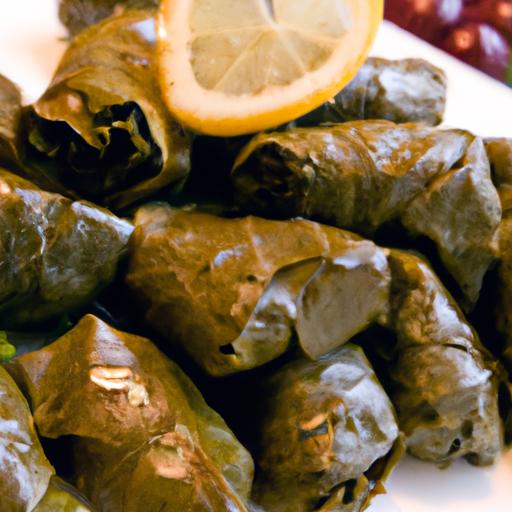

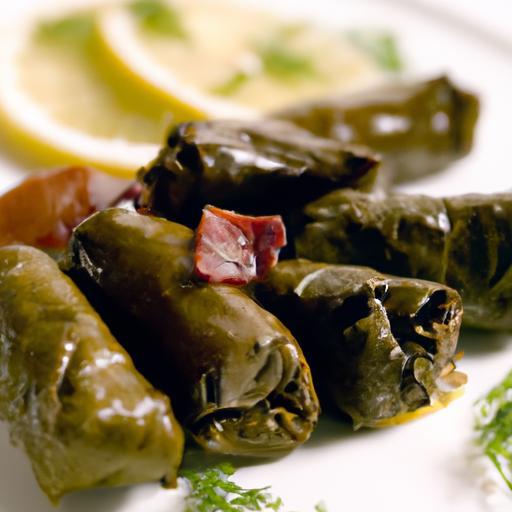
Nestled within the vibrant tapestry of Greek cuisine lies a humble yet enchanting dish that tells a story of heritage, flavor, and meticulous craftsmanship: Greek stuffed grape leaves. Frequently enough overlooked amidst the country’s more famous offerings, these tender parcels, known as dolmades, are a testament to centuries of culinary tradition passed down through generations. Wrapped in delicate, vine-harvested grape leaves and filled with a harmonious blend of rice, herbs, and sometimes savory meat, each bite unveils a sensory journey steeped in history and hospitality. In this article, we embark on an exploration of the origins, planning, and cultural importance of Greek stuffed grape leaves-a savory emblem of Mediterranean art on a plate.
Greek stuffed Grape Leaves, known as dolmades, are a culinary gem steeped in centuries of tradition. Originating from the mediterranean basin, this dish perfectly encapsulates the vibrant flavors, history, and communal spirit of Greek cuisine. From family gatherings to festive celebrations, dolmades symbolize warmth, hospitality, and a connection to the earth’s bounty-unfolding layers of taste inside a tender grape leaf wrapping.
Prep and Cook Time
- Preparation: 40 minutes
- Cooking: 60 minutes
- Total: 1 hour 40 minutes
Yield
About 30 dolmades, serving 6 as an appetizer or light meal.
Difficulty Level
Medium: Requires patience and gentle hands, but very rewarding.
Ingredients
- 1 jar (16 oz) grape leaves in brine, rinsed and drained
- 1 cup long-grain white rice, rinsed and drained
- 1 large onion, finely chopped
- 2 cloves garlic, minced
- 1/2 cup fresh dill, chopped
- 1/4 cup fresh mint leaves, chopped
- 1/4 cup fresh parsley, chopped
- 1/3 cup olive oil, plus extra for drizzling
- Juice of 2 lemons
- 1 tsp salt
- 1/2 tsp black pepper
- 1/2 tsp allspice (optional, for regional authenticity)
- 1 cup vegetable or chicken broth
Instructions
- Prepare the filling: Heat 1/3 cup olive oil in a skillet over medium heat. Sauté the chopped onion until translucent, about 5 minutes. Add garlic and cook for another minute until fragrant.
- Add rice and herbs: Stir in the rinsed rice, dill, mint, parsley, salt, pepper, and allspice if using. Cook for 2-3 minutes to toast the rice lightly and combine flavors.
- Add lemon juice and broth: Pour in half the lemon juice and 1 cup broth.Simmer gently until the liquid is absorbed but the rice is only partially cooked, about 10 minutes. Remove from heat and let cool.
- Prepare grape leaves: Lay a grape leaf flat on a clean surface with the vein side up.Trim any thick stems with scissors.
- Fill and roll: Place about 1 tablespoon of filling near the base of the leaf. Fold the bottom up over the filling, fold in the sides, then roll tightly into a neat cigar shape about 1 inch thick. Repeat with remaining leaves and filling.
- Layer and bake: Line the bottom of a heavy pot with reserved grape leaves (to prevent sticking). Arrange dolmades snugly in tight concentric circles, seam side down.
- Add finishing touches: Drizzle remaining olive oil and the rest of the lemon juice over the dolmades. Gently place a heatproof plate on top to keep them submerged during cooking.
- Cook: Pour enough hot water or broth to just cover the dolmades. Bring to a gentle simmer,cover tightly,and cook for 45-60 minutes until the leaves are tender and the rice fully cooked.
- Cool gently: Allow to cool in the pot to absorb flavors fully-dolmades taste even better at room temperature.
- Serve: Transfer carefully to a serving plate. Drizzle with extra lemon juice or a dollop of Greek yogurt as desired.
Tips for Success
- Use fresh herbs: freshness is key to authentic flavor; dried herbs change the character drastically.
- Don’t overfill: Overstuffing leaves makes rolling difficult and may cause splitting during cooking.
- Soak grape leaves: If using jarred grape leaves, rinse thoroughly and soak in hot water for 10 minutes to soften the brine flavor before rolling.
- Vegan variation: Replace chicken broth with vegetable broth for a fully plant-based dish.
- Make ahead: Dolmades improve if made a day in advance and served cold or at room temperature.
Serving Suggestions
Greek Stuffed Grape Leaves come alive when paired with a crisp wedge of lemon and a cooling tzatziki or Greek yogurt dip. Arrange on a rustic wooden board garnished with fresh dill sprigs and scattered pomegranate seeds for color contrast. They pair beautifully with a glass of chilled Assyrtiko or Sauvignon Blanc. for a mezze platter, serve alongside olives, feta cheese, and grilled pita.

| Nutrient | Per Serving (5 dolmades) |
|---|---|
| Calories | 180 kcal |
| Protein | 4g |
| Carbohydrates | 28g |
| Fat | 6g |
Flavor Profiles and Ingredient Variations Across Greek Regions
while the core concept of Greek Stuffed Grape Leaves remains consistent, regional nuances across Greece add distinct personality to dolmades. In northern Greece, minced lamb or ground beef is often incorporated to enhance richness. Coastal areas introduce pine nuts and raisins for a sweet and nutty harmony, while the island of Crete favors a spicier mix with cinnamon and allspice. Additionally, the use of wild herbs such as marjoram or oregano varies widely, reflecting the local foraging traditions. This diversity embodies the vibrant culinary tapestry of Greece, making each batch a unique exploration of flavor.
mastering the Art of Preparing Authentic Dolmades
Achieving perfectly rolled and tender dolmades requires more than just following a recipe-it’s an art form. Begin with soft, pliable grape leaves and a well-seasoned filling that isn’t too wet to avoid breaking the delicate leaves. Roll each dollop evenly, ensuring tight, compact parcels that seal in the fragrant rice and herbs. Steaming them slowly under pressure maintains their shape and infuses brightness without bitterness. Remember, patience in both rolling and cooking yields dolmades worthy of party. For detailed skill-building techniques, visit Greece Is-a trusted resource for Greek culinary traditions.
Tips and Tricks for Perfectly Rolling and Serving Stuffed Grape Leaves
- Keep a bowl of warm water nearby to dip your fingers and smooth leaf folds as you roll.
- Align all grape leaves vein side up; this keeps the textural integrity intact and prevents tearing.
- Stack rolled dolmades snugly in the pot to prevent unraveling during cooking.
- Use a heatproof plate or a small lid inside the pot to weigh down the dolmades, encouraging even cooking.
- Let dolmades rest in the pot after cooking; this steams them perfectly and melds flavors beautifully.
- For a stunning presentation, drizzle extra virgin olive oil and dot with freshly cracked black pepper just before serving.
For those eager to explore more traditional Greek appetizers, check out our thorough post on Greek Mezze Essentials to complete your culinary journey.
Q&A
Q&A: Unveiling Greek Stuffed Grape leaves – A Culinary Tradition
Q1: What exactly are Greek stuffed grape leaves?
A1: Greek stuffed grape leaves, also known as dolmades or dolmades yemista, are tender vine leaves lovingly wrapped around a savory filling, typically composed of rice, herbs, and sometimes meat. This age-old dish is a symphony of flavors and textures, a true essence of Greek home cooking.
Q2: Where did this tradition originate?
A2: The tradition of stuffing grape leaves extends across the Mediterranean and Middle East,but Greek dolmades carry a distinct identity. Their roots trace back to the Byzantine era, where vine leaves symbolized abundance and hospitality. Over centuries, Greeks perfected the recipe, making it a cherished part of their culinary heritage.
Q3: What ingredients define authentic Greek stuffed grape leaves?
A3: The magic lies in simplicity and freshness. Authentic dolmades feature vine leaves blanched to tenderness, a fragrant filling of long-grain rice, chopped fresh herbs like dill, parsley, and mint, a generous squeeze of lemon juice, and sometimes pine nuts or currants for a subtle sweetness. Meat versions include ground lamb or beef, creating a heartier experience.
Q4: How are Greek stuffed grape leaves typically served?
A4: Dolmades often star as appetizers or part of a meze spread,accompanied by creamy tzatziki or a tangy avgolemono (egg-lemon) sauce. They can be served warm or at room temperature, embodying both comfort and elegance, perfect for festive gatherings or everyday meals.
Q5: Why have stuffed grape leaves become a symbol of Greek hospitality?
A5: In Greek culture, preparing dolmades is an act of love and community. Families gather for the meticulous rolling process,turning cooking into storytelling and bonding. Serving these stuffed leaves is a gesture of welcome and generosity, inviting guests to savor tradition and togetherness.
Q6: Can anyone recreate Greek stuffed grape leaves at home?
A6: Absolutely! While rolling vine leaves takes practice,the process is rewarding and meditative. With a handful of simple ingredients and a few tips-like blanching the leaves correctly and tightly wrapping the filling-home cooks can unveil a taste of Greece right in their own kitchen.
Q7: What variations of stuffed grape leaves exist beyond Greece?
A7: Across borders,this culinary concept transforms beautifully. Turkish yaprak sarma, Lebanese wara’ enab, and Armenian dolma all put their own spin on stuffed vine leaves, varying fillings with spices, nuts, and textures. Each variation tells a story of regional tastes united by this humble yet versatile leaf.
Q8: How does the significance of grape leaves go beyond food in Greek culture?
A8: Beyond their role on the dinner table, grape leaves represent the intertwined dance of nature and nurture.The vineyard, a symbol of fertility and life, inspires rituals and festivals celebrating the harvest. Thus, dolmades are more than a dish-they are edible history and cultural poetry rolled into every bite.
The Conclusion
As we peel back the layers of history and flavor wrapped within each tender grape leaf, Greek stuffed grape leaves emerge not just as a dish, but as a culinary narrative-one that tells stories of family gatherings, ancient traditions, and timeless hospitality. Whether savored as a savory snack or a centerpiece at a festive table, these little parcels of heritage invite us to explore the rich tapestry of greek culture, one bite at a time. So next time you encounter this humble yet exquisite delicacy, remember that you’re tasting more than food-you’re experiencing a cherished tradition lovingly passed down through generations.