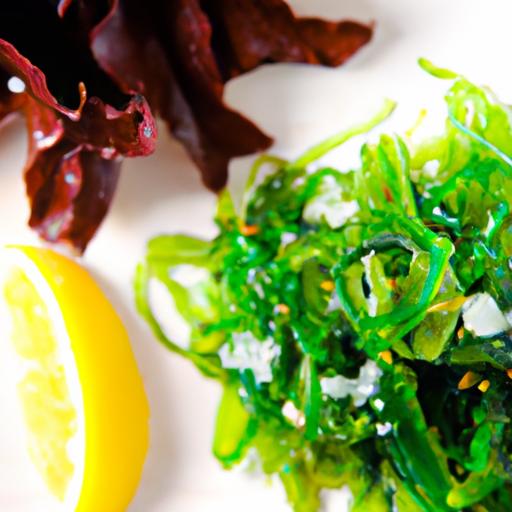

Beneath the vibrant, emerald strands of seaweed salad lies a world of nutritional intrigue waiting to be explored.Often celebrated as a healthful delicacy in coastal cuisines, this oceanic dish is more than just a refreshing appetizer – it’s a complex blend of flavors and nutrients packed into every bite. But what about its calorie count? Is seaweed salad truly the light, guilt-free option it’s frequently enough touted to be, or does it harbor hidden energy reserves beneath its glossy surface? join us as we dive deep into the calorie content and nutritional makeup of seaweed salad, unlocking the secrets of this marine marvel and discovering how it fits into a balanced diet.
Unlocking seaweed salad calories offers a engaging glimpse into the diverse nutritional landscape of this ancient ocean treasure. With roots tracing back to coastal Asian cultures, seaweed has been cherished not only for its unique umami flavor but also for its dense nutrient profile. From vibrant wakame to crunchy hijiki, each variety carries distinctive caloric values and health benefits that transform a simple salad into a superfood sensation.
Prep and Cook Time
Preparation: 10 minutes
Cooking: 5 minutes (primarily soaking and blanching)
Total: 15 minutes
Yield
Serves 4 as a refreshing appetizer or side dish
Difficulty level
Easy – Perfect for home cooks eager to boost their nutrition with minimal effort
Ingredients
- 1/2 cup dried wakame seaweed, soaked and drained
- 1 tablespoon toasted sesame oil
- 2 teaspoons rice vinegar
- 1 teaspoon soy sauce, low sodium
- 1/2 teaspoon honey or agave syrup
- 1/4 cup thinly sliced cucumber
- 2 tablespoons sliced green onions
- 1 tablespoon toasted sesame seeds
- Pinch of red pepper flakes (optional)
Instructions
- Rehydrate the seaweed: Soak dried wakame in cold water for about 5-7 minutes until it softens and expands. Drain thoroughly and gently squeeze out excess water to maintain a pleasant, firm texture.
- Prepare the dressing: In a small bowl, whisk together toasted sesame oil, rice vinegar, soy sauce, and honey. This balance of nutty, tangy, and sweet deepens the seaweed’s natural umami character.
- Combine ingredients: Toss the softened seaweed with sliced cucumber and green onions in a mixing bowl. Pour the dressing over and toss gently to coat everything evenly.
- season and garnish: Sprinkle toasted sesame seeds and a pinch of red pepper flakes over the top for a subtle heat boost and extra crunch.
- Chill before serving: For the best flavor fusion, refrigerate the salad for 10-15 minutes to let the dressing infuse the seaweed.
Tips for Success
- Choose your seaweed wisely: Wakame offers lower calories and a tender bite, whereas hijiki or arame provide heartier textures but contain slightly more calories and fiber.
- mind the soy sauce: Opt for low-sodium versions to keep sodium intake in check without sacrificing flavor.
- Make ahead: This salad holds up well in the fridge for up to 2 days but may become softer; add fresh cucumber and sesame seeds just before serving for extra crunch.
- Flavor boosters: A splash of freshly grated ginger or a squeeze of lime juice can brighten the dish elegantly.
- Calorie control: Lighten the calories by reducing sesame oil or substituting with a teaspoon of olive oil.
Serving Suggestions
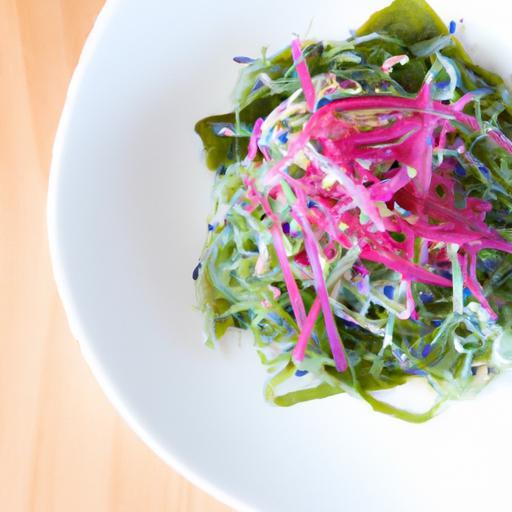
Serve your seaweed salad chilled in a shallow bowl or on a delicate Asian-inspired plate to showcase its vivid emerald and jade hues. garnish with edible flowers or a thin cucumber ribbon twisted atop for an elegant touch. This salad pairs beautifully with grilled fish or tofu, steamed jasmine rice, or alongside a bowl of miso soup for a balanced meal.
| nutrient | Per Serving |
|---|---|
| Calories | 45 kcal |
| Protein | 3.5 g |
| Carbohydrates | 7 g |
| Fat | 2.5 g |
for an in-depth look at different seaweed varieties and their nutritional profiles, check out our guide on Health Benefits of Seaweed. Additionally, authoritative insights on seaweed’s health impact are available through the British Nutrition Foundation.

How Preparation Methods Influence Seaweed salad Calories
The way you prepare seaweed salad plays a crucial role in its caloric impact. Dry seaweed itself is exceedingly low in calories, but soaking, blanching, and dressings can alter calorie content considerably. For instance, heavy use of oils or sweetened soy-based dressings raises the calorie count.Light dressings and fresh ingredients keep the dish nutrient-dense and weight-kind.
Smart Pairings and Serving Tips to maximize Health Benefits
Pair your seaweed salad with lean proteins like grilled salmon or edamame to boost omega-3 fatty acids and plant-based protein intake. Use nutrient-dense toppings such as roasted nuts or seeds to enrich texture and increase healthy fats without excess calories. Serve as part of a balanced plate with whole grains and fresh vegetables for a complete, satisfying meal that supports digestion and metabolic health.

Q&A
Q&A: Unlocking Seaweed Salad Calories – A Nutritional Dive
Q1: what makes seaweed salad a unique contender in the calorie count game?
Seaweed salad isn’t just a treat for your taste buds-it’s a low-calorie powerhouse. Thanks to its water-rich, fibrous nature, a typical serving clocks in at around 70 to 90 calories. But don’t be fooled by the modest numbers; it packs a flavorful punch along with a nutrient-dense profile.
Q2: Why is seaweed salad frequently enough considered a ”skinny” dish, but still satisfying?
seaweed itself has minimal calories, but it’s rich in dietary fiber that keeps you feeling full. The umami flavor, enhanced by sesame oil, soy sauce, and seeds, trick your palate into feeling richly satisfied without a calorie overload. It’s a classic example of taste meeting nutrition.Q3: How do the calories in seaweed salad compare to other leafy greens?
Seaweed has a similar calorie range to leafy greens like spinach or kale but stands out because it delivers unique minerals such as iodine, calcium, and iron. Those trace minerals contribute to metabolism and thyroid health-bonus benefits beyond the calorie count.
Q4: do the toppings and dressings significantly impact the calorie content?
absolutely! While plain seaweed is ultra-light, the typical additions-like sesame oil, sugar, and soy sauce-can add 20 to 50 extra calories per serving. Nutty sesame seeds and crunchy nuts can also bump up the calories, so it’s wise to enjoy these extras mindfully.Q5: Can seaweed salad be a good snack for weight watchers?
definitely. Its low calorie and high fiber profile make it a smart snack or side dish that won’t sabotage your goals. Plus, its hydration and nutrient content help keep energy steady and digestion smooth.
Q6: what nutrients other than calories does seaweed salad offer?
Seaweed is a treasure trove of vitamins A, C, E, K, and B-complex, alongside essential minerals like iodine, calcium, magnesium, and iron. It also contains antioxidants and anti-inflammatory compounds that support overall health.
Q7: Is there a best time or way to eat seaweed salad for maximum nutritional benefit?
Enjoying seaweed salad fresh preserves its nutrient integrity. Pair it with a balanced meal to complement protein and healthy fats, wich can help your body absorb the fat-soluble vitamins in seaweed. Whether as a vibrant appetizer or a refreshing side, timing it with lunch or dinner enhances satisfaction.
Q8: Any tips for keeping seaweed salad low-calorie yet flavorful at home?
Skip heavy sugary dressings and opt for light soy sauce, a splash of rice vinegar, and a sprinkle of toasted sesame seeds. Fresh lemon or lime juice brightens flavors without calories. Experiment with fresh herbs like cilantro or mint to keep things exciting and health-conscious.
Unlock the marvel that is seaweed salad-not just a low-calorie delight but a nutrient-packed, flavor-forward star on your plate!
Wrapping Up
As we’ve unraveled the layers behind seaweed salad’s calorie content, it’s clear this oceanic delight offers more than just a burst of umami flavor. With its modest calories and rich nutritional profile, seaweed salad stands as a testament to how nature’s simplest ingredients can nourish and energize us. Whether you’re counting calories or simply seeking a vibrant addition to your plate, understanding what lies beneath those tangled greens empowers you to make mindful, tasty choices. So next time you dive into a bowl of seaweed salad, remember-you’re savoring a nutrient-packed treasure from the sea, perfectly balanced between flavor and fuel.