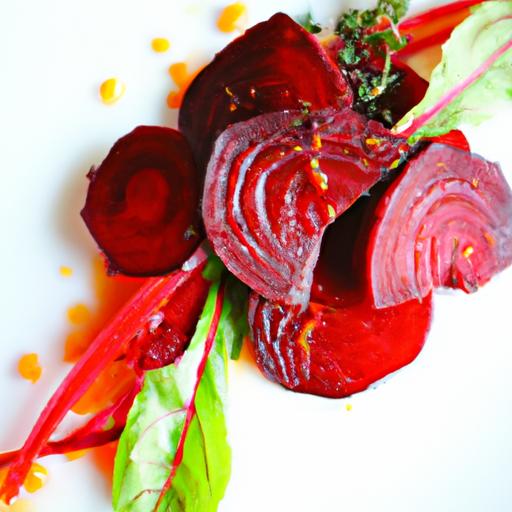

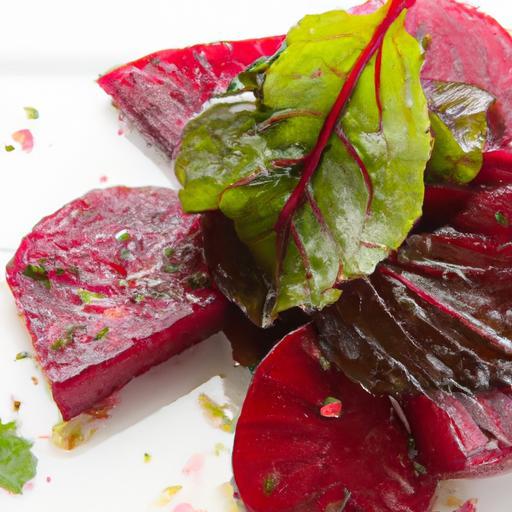
Beneath their unassuming, earthy exterior lies a jewel of vibrant color and remarkable taste: the roasted golden beet. Often overshadowed by their deep red counterparts, golden beets possess a subtle sweetness and a buttery texture that come to life with the transformative power of roasting. Unlocking their flavor reveals not just a new dimension of this root vegetable, but a culinary magic that elevates simple ingredients into unforgettable dishes. Join us as we delve into the science and art behind roasting golden beets, uncovering the secrets that turn humble garden fare into a golden treasure on your plate.
Unlocking Flavor starts with understanding the unique charm of roasted golden beets-a humble root vegetable that transforms dramatically when exposed to the gentle heat of the oven. Their natural sugars caramelize,yielding a tender,succulent texture and a delicate sweetness that rivals their crimson cousins. As a longtime culinary content creator and food stylist, I’ve watched golden beets steal the spotlight on plates and palates alike, turning simple dishes into gourmet masterpieces.
Prep and Cook time
- Readiness: 10 minutes
- roasting: 45 minutes
- Total: 55 minutes
Yield
Serves 4 as a side dish
Difficulty Level
Easy
Ingredients
- 4 medium golden beets, about 1 pound, scrubbed and trimmed
- 2 tablespoons olive oil, extra virgin preferred
- 1 teaspoon sea salt
- ½ teaspoon freshly ground black pepper
- 1 tablespoon fresh thyme leaves, optional
- 1 teaspoon honey or maple syrup, for slight glaze (optional)
- 1 tablespoon balsamic vinegar, for finishing drizzle
Instructions
- Preheat your oven to 400°F (205°C). Line a baking sheet with parchment paper or foil for easy cleanup.
- Prepare the beets: If you prefer, peel the beets before roasting; though, roasting with the skin on locks in moisture and flavor. Trim the greens and roots.
- Cut the beets: Slice each beet into uniform ½-inch thick rounds or wedges. Uniformity ensures even roasting and caramelization.
- Toss beets with olive oil, salt, pepper, and thyme: In a mixing bowl, coat the golden beet slices evenly.This oil layer fosters a luxuriously silky texture onc roasted.
- Arrange beets on the baking sheet: Place them in a single layer without overcrowding.Overlapping causes steaming, which dulls the roasting effect.
- Roast for 35-45 minutes: Turn carefully once halfway through. The beets are done when tender-test by piercing with a fork; it should slide in easily-and edges have a light golden caramel crust.
- Optional glaze step: In the last 5 minutes, brush the beets lightly with honey or maple syrup to enhance the sweet earthy depth.
- Remove from oven: Let cool slightly, then drizzle with balsamic vinegar for a tangy contrast that elevates the natural beet sweetness.
- Serve warm or at room temperature: You can also chill for salads or future meals.
Tips for Success
- Roasting whole vs. sliced: Whole beets take 1-1.5 hours but preserve juiciness perfectly. Sliced beets roast faster and develop crisp caramel edges.
- Substitutions: Use fresh rosemary or sage in place of thyme for a different herbal note.
- Make ahead: Roast beets up to 3 days in advance and store them covered in the refrigerator. Rewarm gently before serving.
- Prevent bitterness: Choosing fresh, firm golden beets without blemishes ensures a sweeter, more vibrant result.
- Use kitchen twine: If roasting whole, wrap beets loosely in foil to keep moisture locked in while roasting.
Serving Suggestions
Roasted golden beets pair exquisitely with creamy goat cheese, toasted walnuts, and fresh arugula for an elegant salad. alternatively, serve alongside roasted chicken or pan-seared salmon to bring balance to hearty mains. Garnish with microgreens, a sprinkle of flaky sea salt, or a dollop of herbed yogurt to complete the presentation. Their vibrant hue lends stunning color contrast in grain bowls or alongside roasted root vegetable medleys.

| Nutrient | Amount per Serving |
|---|---|
| Calories | 90 kcal |
| Protein | 2 g |
| Carbohydrates | 20 g |
| Fat | 5 g |
To dive deeper into root vegetable roasting techniques, check out Root Vegetable Roasting Basics. For expert insights on the nutritional benefits of golden beets, visit Healthline’s golden beet nutrition guide.
Q&A
Q&A: Unlocking Flavor – The Magic of Roasted Golden Beets
Q1: What makes golden beets different from their red counterparts?
Golden beets stand out with their vibrant yellow-orange hue and subtly sweeter, milder flavor. Unlike red beets, they don’t bleed their color as much, making them a brilliant addition to dishes where you want that sunny pop without turning everything pink.
Q2: Why roast golden beets instead of boiling or steaming them?
Roasting is like coaxing a secret flavor song out of golden beets. The dry, intense heat caramelizes the natural sugars, unlocking a deep, earthy sweetness with a hint of nuttiness that boiling or steaming just can’t match. Plus, roasting preserves their texture-a perfect balance between tender and firm.
Q3: how do you prepare golden beets for roasting?
Start by scrubbing the beets clean under cold water-no need to peel them beforehand! Slice off the greens (save them for sautéing), then wrap the beets loosely in foil or place them on a baking sheet. Roast at around 400°F (200°C) for 45-60 minutes, until they’re tender and an aromatic roast fills your kitchen.
Q4: Can roasting golden beets enhance their nutritional value?
While roasting doesn’t necessarily increase nutrients, it does make golden beets easier to digest and enhances the bioavailability of some antioxidants.Plus, their vibrant color signals a treasure trove of beta-carotene and other phytonutrients essential for health.Q5: What are some creative ways to use roasted golden beets?
Roasted golden beets are culinary chameleons.Toss them in salads with tangy goat cheese and toasted walnuts, blend them into flavorful hummus, or layer thin slices in a vibrant veggie tart. Their sweet-earthy profile pairs beautifully with citrus, fresh herbs, and bold cheeses.
Q6: Any tips to avoid common roasting pitfalls?
Don’t over-roast or your beets can become mushy and lose their shining color. To keep that golden glow,roast whole or in large chunks with skins on until just tender,then peel easily with your hands or a paper towel after cooling. Also, avoid overcrowding the pan-give each beet some breathing room for even caramelization.
Q7: is it possible to roast golden beet greens as well?
Absolutely! Golden beet greens can be sautéed or roasted to add a peppery, spinach-like note to your meal. Toss them with olive oil, garlic, and a sprinkle of chili flakes, or crisp them up in the oven for a delightful, nutrient-rich snack.
Q8: How does roasting affect the texture of golden beets?
Roasting transforms golden beets into tender jewels that still hold a slight bite-think creamy yet firm, not mushy. This satisfying texture contrasts wonderfully in salads, grain bowls, and sides, adding both substance and visual appeal.
Unlocking the magic of roasted golden beets is about embracing their vibrant color, naturally sweet flavor, and versatile texture. With simple roasting, these humble root vegetables become golden delights, ready to elevate any dish into a masterpiece of taste and nutrition.
In Summary
As we’ve uncovered, the humble golden beet is much more than a root vegetable-it’s a vibrant vessel of flavor waiting to be awakened through the simple alchemy of roasting. This transformative process not only softens its texture but unlocks a natural sweetness and delicate earthiness that can elevate any dish from ordinary to remarkable. Whether tossed into salads, blended into soups, or served as a stunning side, roasted golden beets invite us to explore a palette of tastes that are as nourishing as they are delightful. So next time you’re seeking a burst of color and a secret ingredient to brighten your plate, remember the magic that lies beneath the skin of the golden beet-roasted to perfection and ready to unlock a world of flavor.