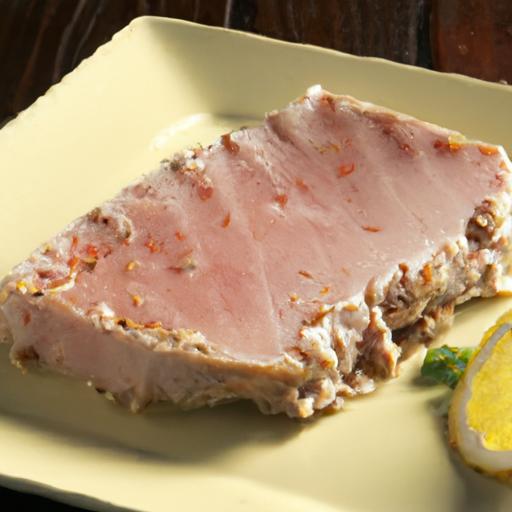

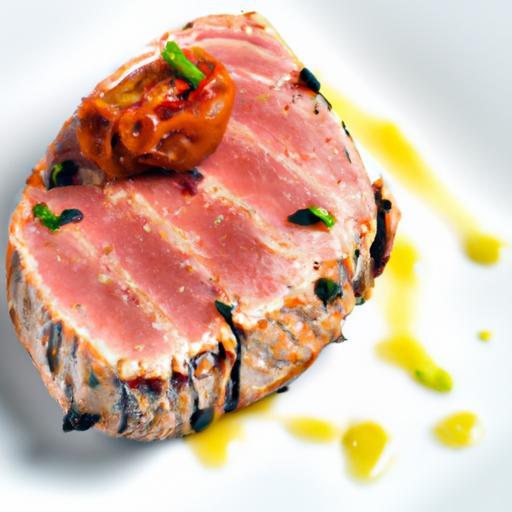
there’s something undeniably captivating about a perfectly seared tuna steak-the way it’s vibrant ruby-red center contrasts with a delicately caramelized crust, promising a burst of fresh, ocean-kissed flavor in every bite. For food lovers and home chefs alike, mastering the art of cooking tuna steak is more than just a culinary task; it’s a journey toward unlocking a masterpiece nestled between simplicity and sophistication. In “Tuna Steak Perfection: The recipe Critic’s Ultimate Guide,” we dive deep into the science, techniques, and insider tips that transform this humble fish into a dish worthy of any fine dining table. Whether you’re seeking foolproof cooking times, seasoning secrets, or plating inspiration, this guide is your compass to tuna steak excellence. Get ready to elevate your kitchen game and savor seafood like never before.
Tuna steak perfection begins with choosing the freshest, highest-quality tuna available-a decision that directly influences flavor, texture, and the overall dining experience.Sourcing your tuna from a trusted fishmonger or reputable market ensures a vibrant ruby-red hue and a firm,meaty texture that promises a buttery mouthfeel once seared.
Prep and Cook time
- Readiness: 15 minutes
- Marinating: 20 minutes
- Cooking: 6-8 minutes
- Total Time: 40-45 minutes
Yield
- Serves 2-3 people
Difficulty Level
- Medium
Ingredients
- 2 (6-8 oz) fresh tuna steaks,about 1-inch thick,sashimi grade preferred
- 3 tablespoons soy sauce (low sodium recommended)
- 1 tablespoon toasted sesame oil
- 1 tablespoon freshly grated ginger
- 2 cloves garlic,minced
- 1 teaspoon honey or maple syrup for subtle sweetness
- 1 tablespoon fresh lime juice
- Salt and freshly ground black pepper,to taste
- 2 tablespoons neutral oil (grapeseed or avocado) for searing
- Optional garnish: thinly sliced scallions,toasted sesame seeds,and microgreens
Instructions
- Select and prepare your tuna steaks. Pat the tuna dry with paper towels to ensure an even sear; excess moisture will steam the fish rather than crust it.
- Whisk together the marinade. In a bowl, combine soy sauce, toasted sesame oil, grated ginger, minced garlic, honey, and lime juice. Adjust seasoning with salt and pepper.
- Marinate the tuna. Place steaks in a shallow dish, pour marinade over evenly, cover, and refrigerate for 20 minutes.Avoid over-marinating, which can overpower the delicate tuna.
- Preheat your skillet. Heat a heavy-bottomed cast iron or stainless steel pan over medium-high heat until shimmering hot.
- Prepare for searing. Remove tuna from marinade and pat lightly dry to remove excess liquids, helping develop a perfect crust.
- Seal in that flavor. Add neutral oil to the pan and swirl to coat. Place tuna steaks gently onto the pan.
- Sear each side. Cook for about 1.5 to 2 minutes per side for rare, or 3 minutes for medium rare-resist the urge to flip frequently; a single flip ensures a golden, even crust.
- Rest before slicing. Transfer steaks to a plate and let rest for 3 minutes to retain juiciness.
- Slice and serve. Cut against the grain into thick slices and garnish with scallions, sesame seeds, or microgreens for contrast and color.
tips for Success
- Selecting fresh tuna: Look for firm, moist flesh that springs back when pressed. Avoid dry edges or discolored spots.
- Marinade balance: The key is in balancing salty, sweet, umami, and acidic elements to complement-never mask-the natural flavor of the tuna.
- Achieving the perfect crust: A smoking hot pan and dry surface on your tuna are essential. Use high smoke point oils and let the tuna sear undisturbed.
- Cooking times vary: Adjust based on steak thickness; tuna is best enjoyed medium rare to rare for optimal texture.
- Make-ahead hack: Prepare marinade in advance and sous vide tuna steaks if you want precise temperature control before the final sear.
Serving Suggestions
Plate your tuna steaks atop a bed of lightly dressed arugula or baby spinach tossed with a citrus vinaigrette, offering a fresh, peppery bite that enhances every mouthful. Complement with a side of garlic-infused jasmine rice or a simple avocado salsa to introduce creamy textures and brightness. Drizzle a bit of extra virgin olive oil and a sprinkle of flaky sea salt for a finishing touch. Don’t forget to accompany the dish with a chilled glass of crisp Sauvignon Blanc or dry Rosé,perfect for cutting through the richness.

| Nutrient | Per Serving |
|---|---|
| Calories | 280 kcal |
| Protein | 38 g |
| Carbohydrates | 4 g |
| Fat | 10 g |
Discover More: Grilled Seafood Perfection Techniques
For deeper insights into selecting premium seafood and perfect searing techniques,visit the NOAA FishWatch, a trusted resource supporting sustainable and quality seafood choices worldwide.
Q&A
Q&A: Tuna Steak Perfection - The recipe Critic’s Ultimate Guide
Q1: what makes tuna steak diffrent from other types of fish steaks?
A1: Tuna steak is the carnivore’s dream-a meaty, firm texture with a rich, buttery flavor that stands up beautifully to bold seasonings and high-heat cooking. Unlike flaky white fish, tuna holds together well, making it perfect for quick searing that preserves its tender, almost sushi-like interior.Q2: How do I choose the perfect tuna steak at the market?
A2: Look for steaks that are deep, vibrant red with a slight sheen-this indicates freshness. The flesh should be firm and moist, not dry or dull. Thick cuts, about 1 to 1.5 inches, are ideal for cooking that delightful contrast between a crusty exterior and rare center.
Q3: Is it true that tuna steaks should be eaten rare?
A3: Absolutely! Tuna is frequently enough best served rare or medium-rare to showcase its natural flavor and tender texture. Overcooking tends to dry it out and mute its subtle nuances. A quick sear on each side-about 1 to 2 minutes depending on thickness-ensures a perfection that’s almost sashimi-like.
Q4: What’s the secret to the perfect crust on a tuna steak?
A4: A hot pan and just the right amount of oil are your best friends. Use a high smoke-point oil like grapeseed or avocado, preheat your pan until it’s screaming hot, then season the steak simply with salt and pepper (or your favorite spice rub). This high heat caramelizes the surface, creating a flavorful crust while keeping the inside luscious.
Q5: Can I marinate tuna steaks, or will that overpower the flavor?
A5: Light marinades can enhance the natural flavor without stealing the spotlight.Think citrus juice, a splash of soy, fresh herbs, or garlic. Marinate for no more than 15-30 minutes-any longer and the acids might start to “cook” the tuna, turning it mushy.
Q6: What sides pair best with a perfectly cooked tuna steak?
A6: Keep it fresh and vibrant! Crisp salads with citrus vinaigrettes, grilled vegetables, or a light Asian slaw complement tuna’s richness. for starch, try coconut rice or a simple quinoa salad that won’t compete with the steak’s bold character.
Q7: Any tips for cooking tuna steaks on the grill?
A7: Preheat your grill to high and oil the grates well to prevent sticking. Like pan searing, just 1-2 minutes per side is enough. Use a fish spatula or tongs to gently flip, and resist the urge to press down-the goal is to keep that juicy interior intact.
Q8: How do I know when my tuna steak is perfectly cooked?
A8: Visual cues are key. The tuna should be opaque around the edges but still bright and translucent in the center. If you cut into it,you want to see a warm,ruby-red core. For the tech-savvy, a rare tuna steak reaches about 115°F (46°C) internal temperature.Q9: Can I prepare tuna steak without a stove or grill?
A9: Yes! Tuna’s great for searing in a hot cast-iron pan or even using a kitchen torch for that gorgeous crust. Alternatively, if you want to skip cooking, high-quality sushi-grade tuna can be served raw as sashimi or in a poke bowl-the ultimate nod to tuna’s fresh allure.
Q10: What common mistakes should I avoid to achieve tuna steak perfection?
A10: Overcooking tops the list-it transforms tender tuna into a dry, chalky disappointment.avoid heavy marinades that mask the fish’s flavor and don’t cook frozen tuna straight from the freezer. Lastly, don’t skip resting the steak-letting it sit for a couple of minutes after cooking redistributes juices for a more succulent bite.
With these insider tips, you’re well on your way to mastering tuna steak perfection-the kind that earns rave reviews from even the toughest recipe critics. Happy cooking!
Future Outlook
As you close the chapter on our dive into tuna steak perfection, remember that mastering this culinary gem is as much about intuition as it is about technique. With the tips and tricks outlined in this guide, you’re now equipped to transform a simple cut of fish into a stunning centerpiece-seared to tender, flavorful glory every time.Whether you prefer it rare and sashimi-inspired or boldly seasoned with a crust of spices, the ultimate tuna steak is within your reach. So sharpen your knives, fire up the grill or stovetop, and let your kitchen become the stage were tuna steak takes its rightful spotlight. Happy cooking, and may every bite be a flawless festivity of the sea’s finest.