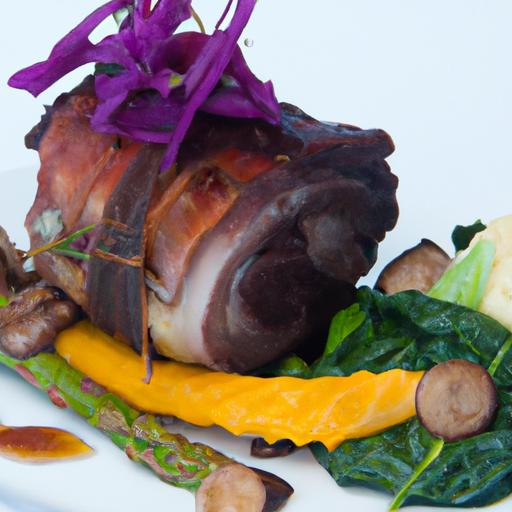

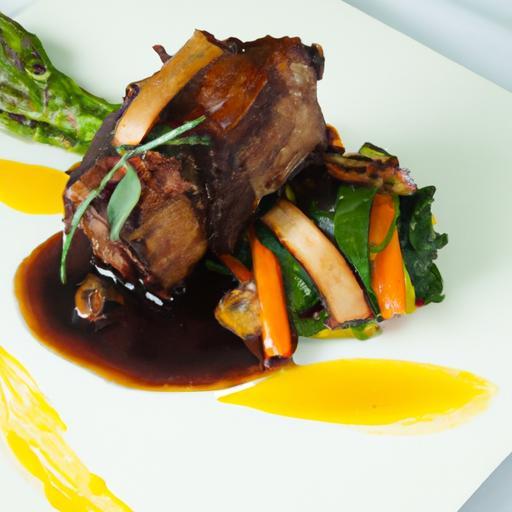
There’s something irresistibly decadent about braised short ribs-the tender,melt-in-your-mouth texture,the rich,savory sauce that clings to every bite,and that deep,complex flavor that lingers long after the meal is over. Behind this culinary magic lies a powerful secret ingredient: fat. frequently enough misunderstood and even vilified in modern cooking narratives, fat plays an essential role in unlocking the full spectrum of flavor in braised short ribs.From rendering luscious juices to carrying aromatic compounds and creating that velvety mouthfeel,fat transforms humble cuts of meat into an unforgettable dining experience. Join us as we dive into the art and science of fat’s vital contribution, revealing why it’s the unsung hero behind every succulent forkful.
Unlocking Flavor: The Role of Fat in Braised Short Ribs
Unlocking Flavor: The Role of Fat in Braised Short Ribs paints a vivid portrait of how precise fat content and technique shape this iconic dish. Whether you’ve savored these tender, falling-off-the-bone ribs at a rustic tavern or recreated them at home, the magic lies in the science behind fat and flavor growth, making every bite gloriously rich and multi-dimensional.
Prep and Cook Time
- Readiness: 20 minutes
- braising: 3 to 3.5 hours
- Total: Approximately 3 hours 50 minutes
Yield
Serves 6 hearty portions
Difficulty Level
Medium - Perfect for adventurous home cooks eager to master classic braising techniques
Ingredients
- 4 lbs bone-in beef short ribs, well-marbled and thick-cut
- 2 tbsp vegetable oil or rendered beef fat
- 1 large onion, finely chopped
- 3 cloves garlic, minced
- 2 carrots, peeled and diced
- 2 celery stalks, diced
- 1 cup dry red wine (Cabernet or Merlot recommended)
- 3 cups beef broth, preferably low sodium
- 2 tbsp tomato paste
- 2 sprigs fresh thyme
- 2 sprigs fresh rosemary
- 2 bay leaves
- Salt and freshly ground black pepper, to taste
- 1 tbsp unsalted butter, for finishing
Instructions
- Select the right cut: Choose short ribs with visible marbling. The balanced fat-to-meat ratio ensures tenderness and depth of flavor throughout the lengthy braise.
- Prep the ribs: Pat the short ribs dry with paper towels. generously season all sides with salt and freshly ground black pepper to enhance flavor absorption.
- Render and sear: Heat vegetable oil or rendered beef fat in a heavy-bottom Dutch oven over medium-high heat. Add short ribs in batches, searing until deeply browned on all sides – about 3-4 minutes per side. This caramelization creates those complex Maillard reaction flavors essential for robust taste. Remove ribs and set aside.
- Sauté aromatics: Lower heat slightly. Add onions, carrots, and celery to the fat and sauté until softened and golden, about 5-6 minutes.Stir frequently to avoid scorching and to tease out sweetness from the vegetables.
- Build the braising liquid: Stir in garlic and tomato paste until fragrant, roughly 1 minute. pour in red wine, scraping the pot’s bottom to dissolve browned bits – these carry incredible umami depth.
- Simmer and reduce: Let the wine reduce by half over medium heat, concentrating its fruitiness and acidity to balance the fat richness.
- Add broth and herbs: Return the short ribs to the pot along with thyme, rosemary, bay leaves, and enough beef broth to nearly cover the ribs. Bring to a gentle simmer.
- Braise low and slow: Cover the Dutch oven and transfer to a 325°F (160°C) oven. Cook for 3 to 3.5 hours until the meat is fork-tender and the fat has rendered into luxurious silkiness.
- Finish and balance fat: Skim excess fat from the surface once done.Remove herbs and discard. For a glossy finish, swirl in 1 tbsp unsalted butter just before serving to enrich mouthfeel without overwhelming the palate.
- Rest and serve: Let the ribs rest briefly in the sauce to unify flavors. Serve hot, spooning the reduced braising liquid generously over the ribs.
Chef’s Notes: Tips for Success
- cut selection matters: Opt for short ribs with moderate fat marbling-not too lean, not too fatty-to ensure tender juiciness without greasiness.
- Rendering fat: Searing slowly over medium heat rather than high prevents toughening the connective tissue while maximizing flavor deposition.
- Complementary fats: Integrate a small knob of butter or drizzle of high-quality olive oil after cooking; this brightens flavor and achieves a supple finishing texture.
- Advance prep option: Make this dish a day ahead-the flavors deepen significantly after chilling and reheating, and you can easily skim hardened fat from the surface.
- Substitutions: For a non-alcoholic braise, use additional beef broth and a splash of balsamic vinegar to mimic wine’s acidity and complexity.
Serving Suggestions
These rich, succulent short ribs pair beautifully with creamy mashed potatoes or buttery polenta, both of which soak up the flavorful braising sauce perfectly. Garnish with fresh parsley or finely chopped chives for a pop of color and freshness. A side of roasted root vegetables adds earthiness to elevate the meal further. For presentation, serve ribs stacked or slightly angled over the starch, ladling warm sauce around and over the top for irresistible visual and taste appeal.

| Nutrient | Per Serving |
|---|---|
| calories | 620 kcal |
| Protein | 48 g |
| Carbohydrates | 10 g |
| Fat | 42 g |
For more insights on selecting premium beef cuts, check out our Ultimate Guide to Beef Cuts and deepen your understanding of meat science. Additionally, to explore the chemistry of Maillard reactions that enhances all seared meats, visit ScienceDirect’s Maillard Reaction Overview.
Q&A
Q&A: Unlocking Flavor – The Role of Fat in Braised Short Ribs
Q: Why is fat so vital when braising short ribs?
A: Think of fat as the secret flavor vault in short ribs. As the ribs slowly cook, fat melts and mingles with the braising liquid, creating a rich, silky texture that carries deep, savory notes throughout the dish. Without fat, the meat can feel dry and the sauce lacks that luscious mouthfeel that makes braised short ribs so irresistibly comforting.
Q: Does more fat always mean better flavor?
A: Not necessarily. While a good amount of fat adds richness, balance is key.Too much unrendered fat can leave an unpleasant greasiness.The slow, gentle braising process allows the fat to render properly-melting away the harshness and distributing flavor evenly, resulting in tender, juicy meat with a perfectly luxurious sauce.Q: how does fat affect the texture of braised short ribs?
A: Fat is like a natural tenderizer and flavor carrier. As it breaks down, it bastes the meat from the inside, softening connective tissues and fibers until the ribs practically fall apart. This silky fat coating also keeps each bite moist and sumptuous, creating that melt-in-your-mouth sensation every short rib lover craves.
Q: Can trimming the fat before cooking make a difference?
A: A little trimming is smart to avoid an overly greasy dish, but don’t cut off all the fat. Leaving some on ensures you retain flavor and moisture throughout the braise. The key is striking a harmony-removing thick slabs that won’t render well, while keeping enough to nourish and enrich the meaty goodness.
Q: How does the fat interact with other ingredients in the braise?
A: Fat is the ultimate flavor amplifier.It not only carries the natural beefy richness but also absorbs and melds with herbs, aromatics, and acidic elements like wine or vinegar. This melding creates complex layers of taste, turning a simple braise into a symphony of savory, sweet, and tangy notes that dance on your palate.
Q: Are there ways to enhance the role of fat when cooking braised short ribs?
A: Absolutely! Starting with well-marbled ribs, rendering some fat in your pan before searing the meat, and using a flavorful braising liquid all help unlock fat’s full potential. Keeping the lid on and cooking low and slow lets the fat melt in gradually,ensuring every bite bursts with deep,luscious flavor.
Q: Can the fat from short ribs be used after cooking?
A: Yes! The rendered fat collects at the surface of your braising liquid and can be skimmed off and saved. This beef fat, known as schmaltz, is a flavorful cooking fat perfect for sautéing vegetables or roasting potatoes, adding an umami-packed punch to many dishes beyond just the short ribs.
Unlocking the magic of fat is key to mastering braised short ribs-embracing this flavorful component elevates your culinary creations from simple comfort food to remarkable feasts of rich, tender delight.
Concluding Remarks
as the tender meat finally gives way beneath your fork, it’s clear that fat is far more than just a culinary bystander in braised short ribs-it’s the secret architect of flavor and texture. By understanding how fat intertwines with heat and time, we unlock a symphony of richness that transforms humble cuts into indulgent masterpieces. So next time you embark on the slow-cooked journey of short ribs, remember: embracing fat isn’t just about taste-it’s about unlocking the full story behind every luscious, melt-in-your-mouth bite.