
Velvety, ethereal, and irresistibly luscious-chocolate mousse stands as one of dessert’s most enchanting creations, a symphony of flavor and texture that captivates both the palate and the inventiveness. Beyond its decadent facade lies a captivating interplay of culinary artistry and scientific precision, where rich chocolate meets delicate aeration to produce a dessert that feels as light as air yet intensely indulgent. In this exploration of “Decadent Delights: the Art and Science of Chocolate Mousse,” we delve into the history, techniques, and chemistry behind this timeless treat, uncovering the secrets that transform simple ingredients into a sublime experience worthy of celebration.
Decadent delights: the art and science of chocolate mousse invites you on a sumptuous journey into one of the most elegant desserts in the culinary world. Originating in France, chocolate mousse combines airy lightness wiht deep, rich chocolate intensity in a way few desserts achieve. Whether you are drawn to the classic technique that balances perfectly whipped cream and melted chocolate or intrigued by contemporary twists like unexpected infusions and daring textures, mastering this dessert will elevate your patisserie prowess and impress every guest at your table.
Prep and cook Time
Preparation: 20 minutes | Chilling: 4 hours | Total Time: 4 hours 20 minutes
Yield
Serves: 6 elegant portions
Difficulty Level
Medium – perfect for home cooks ready to refine precision and technique
Ingredients
- 200g high-quality dark chocolate (70% cocoa preferred), chopped
- 3 large eggs, separated
- 1/4 cup granulated sugar
- 1 cup heavy cream, chilled
- 1 tsp pure vanilla extract
- Pinch of salt
- Optional: fresh berries, mint leaves, or grated chocolate for garnish
- optional flavor infusions: espresso powder (1 tsp), orange zest (1 tsp), or chili flakes (a pinch)
Instructions
- Melt the chocolate: Use a double boiler or microwave-safe bowl to gently melt the chopped chocolate. Stir frequently until smooth,then set aside to cool slightly but remain fluid.
- Separate the eggs carefully: Ensure no yolk mixes with the whites. Egg whites will later be whipped to create volume.
- Whip the egg whites: Place them in a perfectly clean, dry bowl along with a pinch of salt. Beat on medium speed until soft peaks form. Gradually add half the sugar and continue whipping to stiff glossy peaks. This creates the airy structure essential for the mousse.
- Beat the egg yolks: In another bowl, whisk yolks and remaining sugar until pale and creamy. Add the vanilla extract and mix well.
- Combine yolks and melted chocolate: Slowly fold the cooled chocolate into the egg yolk mixture until fully incorporated.
- Whip the heavy cream: Beat cream until it forms soft peaks; avoid overwhipping to prevent graininess.
- Fold the cream into the chocolate mixture: Use a spatula and gentle folding motions to keep the mixture light and airy.
- Incorporate the egg whites: Carefully fold the whipped egg whites into the chocolate-cream mixture in three batches, maintaining as much volume as possible for that signature mousse airiness.Avoid overmixing.
- Chill the mousse: Spoon the mousse evenly into serving glasses or bowls. Refrigerate for at least 4 hours-or overnight-to develop flavor and set the perfect texture.
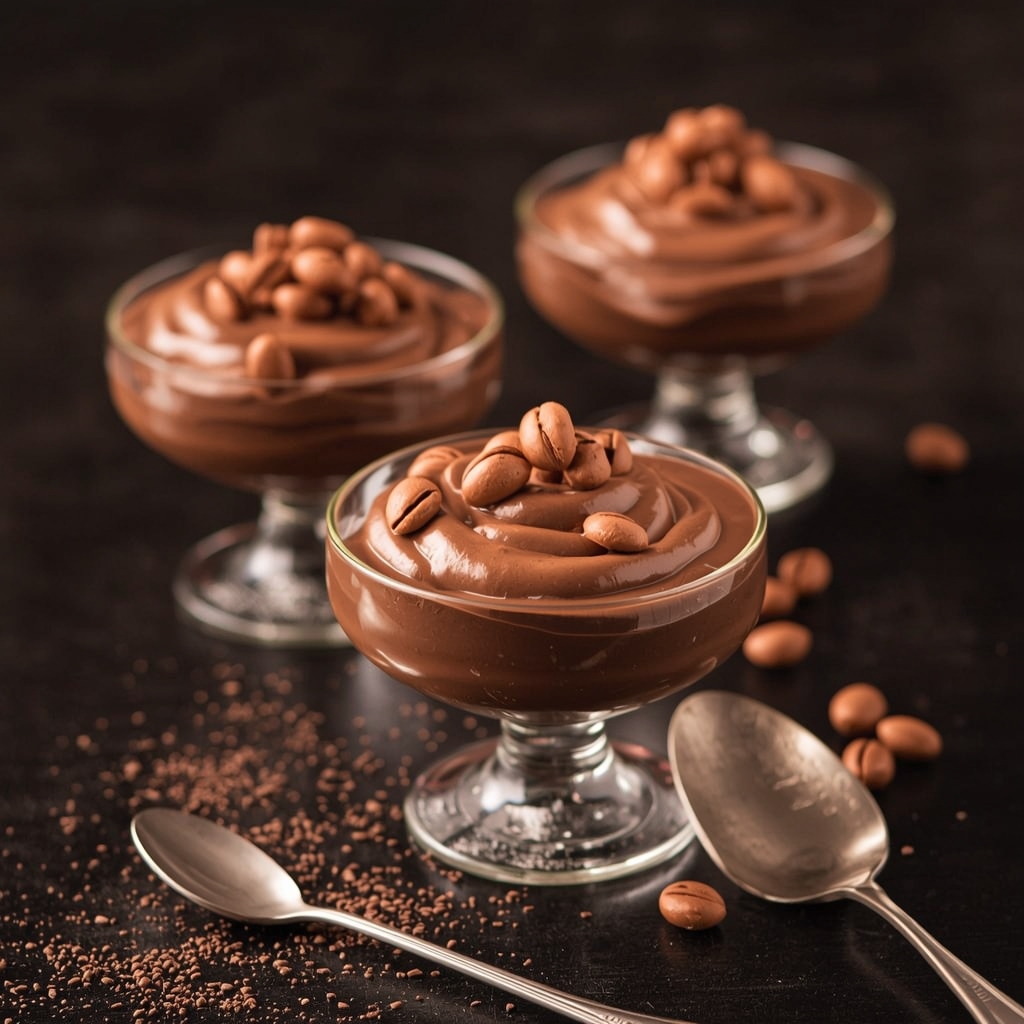
- Serve and garnish: Just before serving, adorn with fresh berries, a sprig of mint, or a dusting of grated chocolate to add visual appeal and complementary flavors.
Chef’s Notes: Tips for Success
- Choosing chocolate: Select chocolate with a high cocoa percentage for intense flavor and smooth texture. Avoid compound or low-quality bars with added vegetable fats.
- Whipping techniques: Use chilled equipment for whipping cream. For egg whites, ensure bowls are grease-free and use a pinch of salt for better stability.
- Flavor infusions: Dissolve espresso powder in melted chocolate for a mocha twist or add finely grated orange zest for citrus brightness. Even a pinch of chili adds a refined kick.
- Make ahead: Mousse can be prepared up to 2 days in advance and stored chilled,covered tightly to prevent absorption of fridge odors.
- Troubleshooting: If the mousse seems heavy, the egg whites might potentially be under-whipped. Conversely, folding too aggressively can deflate the mixture; fold gently using a rubber spatula in broad strokes.
Serving Suggestions
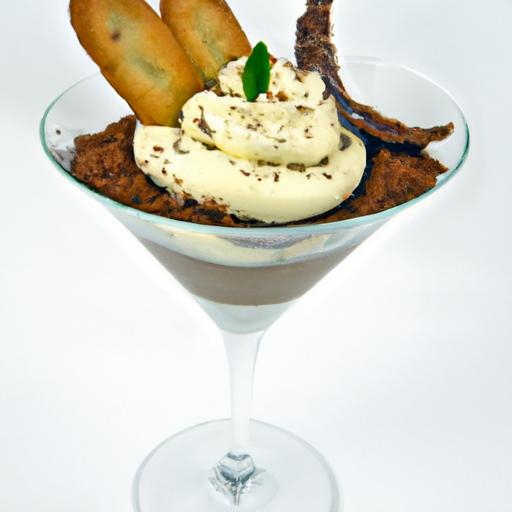
Presentation can turn this decadent dessert into an unforgettable experience. Serve the mousse in clear glasses layered with crushed biscotti or cookie crumbs for a textural contrast. Garnish with a dollop of lightly sweetened whipped cream,a sprinkle of cocoa powder,and fresh raspberries or mint sprigs for a visual pop. Consider pairing the mousse with a robust espresso or vintage port wine to complement the rich chocolate notes.

| Nutrient | per Serving |
|---|---|
| Calories | 320 kcal |
| Protein | 5g |
| Carbohydrates | 26g |
| Fat | 22g |
For a deeper dive into chocolate pairings, check out our Ultimate Guide to Chocolate Pairings. To understand the chemistry behind chocolate’s melting points and tempering, the ScienceDirect publication on chocolate crystallization offers expert insight.
Q&A
Q&A: Decadent Delights – The Art and Science of chocolate Mousse
Q1: What makes chocolate mousse such an iconic dessert?
A1: Chocolate mousse is the perfect marriage of rich, velvety chocolate and ethereal, airy texture. This combination creates a luxurious experience that’s simultaneously decadent and light-a dessert that feels indulgent without being heavy. Its origins trace back to French culinary artistry, where the word “mousse” literally means “foam,” capturing the essence of its delicate structure.
Q2: how does the science behind chocolate mousse influence its texture?
A2: The magic happens in the way air is incorporated and stabilized within the chocolate mixture. By whipping egg whites or cream, tiny air bubbles are introduced, which create the mousse’s signature fluffiness. The proteins in eggs or the fat content in cream act as stabilizers, ensuring these bubbles stay suspended rather than collapsing, resulting in a mousse that is light yet holds its shape beautifully.
Q3: Why is temperature control important when making chocolate mousse?
A3: Temperature is the secret conductor in the symphony of mousse-making. Melted chocolate must be cooled to a precise warmth before folding in mousse components; too hot, and it will melt whipped egg whites or cream, collapsing the airy structure. Conversely, if too cool, the chocolate solidifies prematurely, making it difficult to blend smoothly. Maintaining the right temperature balance guarantees a silky, unified mixture.
Q4: Can chocolate mousse be made without eggs?
A4: Absolutely! While conventional recipes frequently enough rely on eggs for texture and stability, modern variations explore alternatives like whipped cream, aquafaba (the liquid from chickpeas), or vegan gelatin substitutes. These options honor the mousse’s airy and creamy characteristics while accommodating dietary preferences or restrictions, proving that the art of mousse is endlessly adaptable.
Q5: What role does chocolate quality play in the final mousse?
A5: Chocolate is the soul of the mousse. High-quality chocolate,rich in cocoa solids and free from excessive sugars or additives,imparts depth,complexity,and smoothness. Its flavor profile-from fruity and floral to earthy and intense-shapes the entire dessert experience. Using fine chocolate ensures that every spoonful is a true celebration of cocoa’s luscious potential.
Q6: How can one elevate their chocolate mousse beyond the classic recipe?
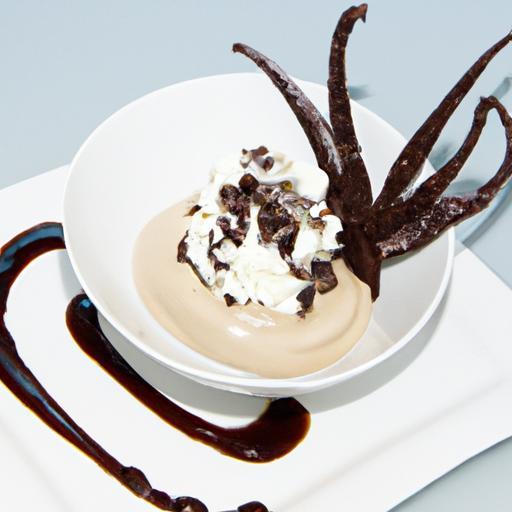
A6: Elevating chocolate mousse involves experimenting with textures, flavors, and presentations. Incorporate ingredients like espresso for a mocha twist, a pinch of chili for a spicy kick, or infused liqueurs for sophisticated nuances. Pairing mousse with contrasting elements-crisp pralines, fresh berries, or tangy citrus zest-adds layers of sensory delight. elegant plating transforms mousse from simple dessert into edible art.
Q7: What is the best way to store chocolate mousse?
A7: Chocolate mousse is at its peak when chilled-ideally refrigerated for at least a few hours to allow flavors to meld and texture to set. Store it covered to prevent it from absorbing fridge odors. While it keeps well for up to 2-3 days, serving it fresh ensures that lightness and flavor nuances remain intact, offering the most decadent experience.
Closing Remarks
As we draw the curtain on the world of chocolate mousse,it’s clear that this luscious dessert is much more than a simple sweet treat. It is indeed a symphony of science and artistry-where carefully balanced ingredients,precise techniques,and a touch of culinary magic combine to create a velvety experience that delights the senses. Whether whipped to airy perfection or enriched with unexpected flavors, chocolate mousse continues to captivate palates across the globe. So next time you savor a spoonful of this decadent delight, remember the intricate dance of chemistry and craftsmanship behind every bite-a true testament to how food can be both a science and an art.