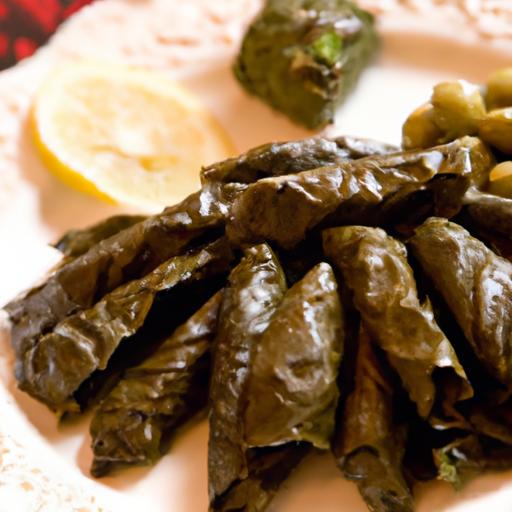

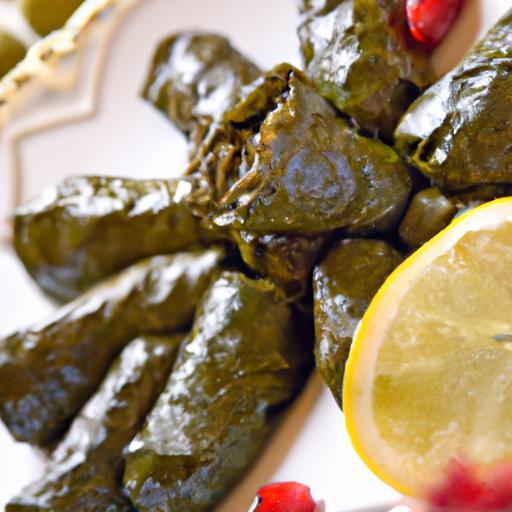
Nestled within the rich tapestry of Middle Eastern cuisine lies a dish that tells a story with every bite-Stuffed Grape Leaves, or Warak Enab. These tender, vine-wrapped parcels are more than just food; they are a culinary tradition passed down through generations, embodying flavors both vibrant and comforting. As we embark on this flavorful journey, we’ll explore the origins, ingredients, and cultural importance of Warak Enab, uncovering why this humble dish continues to captivate palates around the world. Prepare to savor a blend of history and taste, wrapped delicately in each grape leaf.
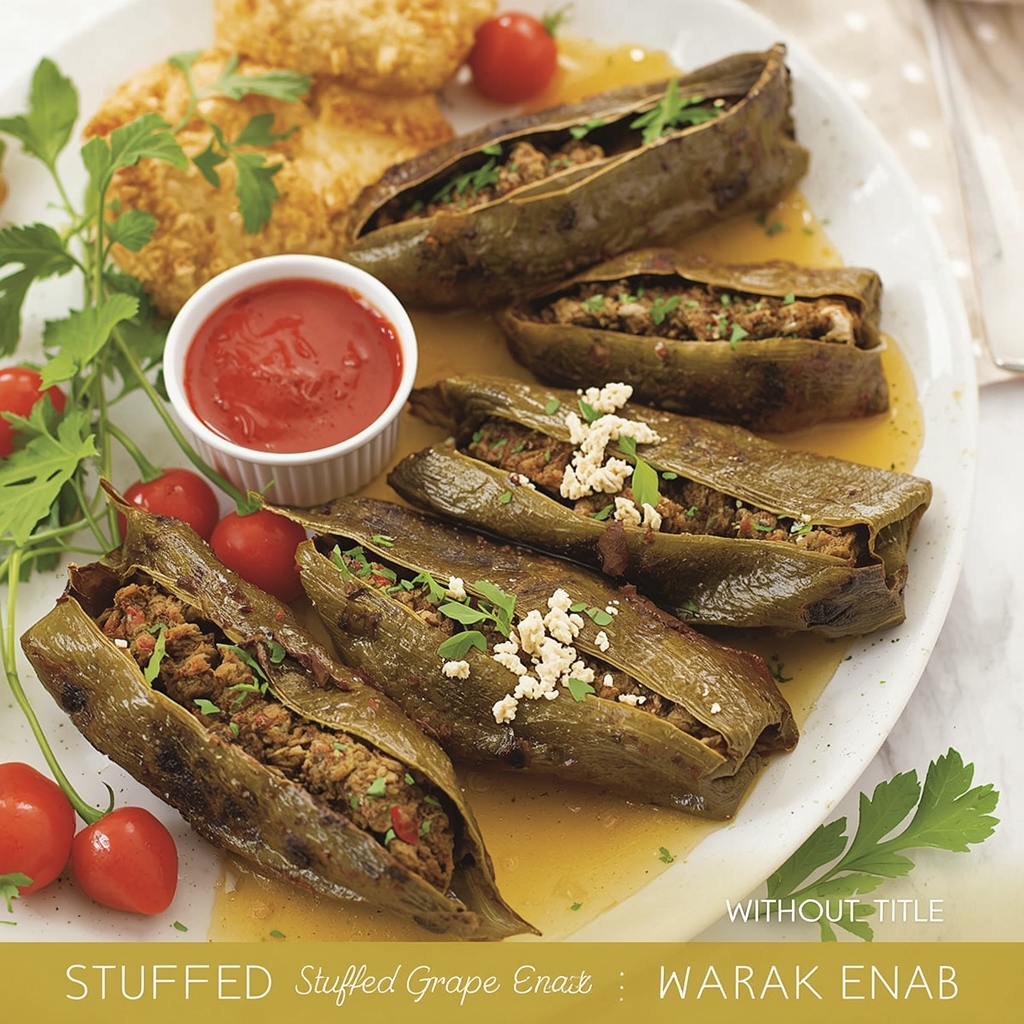
Stuffed Grape Leaves (Warak Enab) have long been celebrated across the Mediterranean and Middle Eastern kitchens as a culinary symbol of hospitality, tradition, and family gatherings. this dish is a delicate balance of flavors and textures – tender grape leaves embracing a savory filling of rice,aromatic herbs,and sometimes meat – creating a bite-sized globe of heritage and comfort. Originating centuries ago, Warak Enab is as much about the art of planning as it is about the joy of sharing. Each region adds its own twist, whether with spices, fillings, or cooking methods, turning this humble dish into a vibrant tapestry of cultural identity.
Prep and Cook Time
- Preparation Time: 45 minutes
- Cooking Time: 1 hour
- Total Time: 1 hour 45 minutes
Yield
Approximately 30 stuffed grape leaves (serves 6-8 as an appetizer or side dish)
Difficulty Level
Medium
Ingredients
- 1 jar (16 oz) preserved grape leaves, rinsed and drained
- 1 cup short-grain rice, washed and drained
- 1 medium onion, finely chopped
- 1/2 cup fresh parsley, finely chopped
- 1/4 cup fresh dill, finely chopped
- 1/4 cup fresh mint, finely chopped
- 1/4 cup olive oil (plus extra for drizzling)
- 2 tablespoons pine nuts (optional)
- Juice of 2 lemons
- 2 teaspoons allspice
- Salt and freshly ground black pepper to taste
- 2 cups vegetable or chicken broth
- Water as needed
Instructions
- Prepare the filling: in a skillet, heat half the olive oil over medium heat. add the finely chopped onion and sauté untill translucent, about 5 minutes, stirring occasionally to prevent sticking. Add pine nuts and toast them lightly for 2 minutes, stirring constantly.
- Combine herbs and spices: In a large mixing bowl, mix the rice, sautéed onions and pine nuts, parsley, dill, mint, allspice, salt, and pepper. Add lemon juice and the remaining olive oil, stirring thoroughly to combine.the mixture should be slightly moist but not wet.
- Prepare grape leaves: Carefully separate the grape leaves, trimming any thick stems.If the leaves are large, you can cut them in half for easier rolling.
- Roll the warak Enab: Place one grape leaf shiny side down on a flat surface. Spoon about 1 teaspoon of filling near the stem end. Fold the sides over the filling and roll tightly toward the leaf tip, similar to a burrito. Avoid overfilling to prevent tearing. Continue until all filling and leaves are used.
- Layer the pot: Line the bottom of a heavy pot with a few grape leaves to prevent sticking. Arrange the rolled grape leaves snugly in layers, seam side down, packing them tightly to avoid unrolling during cooking.
- Add liquid and cook: Pour broth over the arranged rolls until just covered. Place a heatproof plate on top to keep everything submerged. Cover pot and simmer gently over low heat for 45 minutes to 1 hour, until rice is tender.
- Rest and serve: Remove from heat and let sit for 10 minutes before serving. Drizzle with extra lemon juice and olive oil if desired.
Tips for Success
- Choosing grape leaves: Preserved leaves are convenient and available year-round, but fresh grape leaves in season provide a brighter flavour and tender texture.
- Rice texture: Use short-grain rice for a tender yet slightly chewy bite. Soaking rice for 15 minutes before mixing helps enhance texture and even cooking.
- Rolling technique: Roll each leaf snugly but not too tight to prevent bursting during cooking. Practice makes perfect!
- Flavor variations: Explore adding ground lamb or beef for a meatier version. You can also incorporate tomatoes, cinnamon, or nutmeg, depending on your regional twist.
- Make-ahead tip: Stuffed grape leaves keep well refrigerated for up to 3 days and frequently enough taste better after resting,allowing flavors to meld.
Serving Suggestions
Serve your stuffed grape leaves warm or at room temperature, paired with creamy tzatziki sauce or a lemon-garlic yogurt dip. Garnish with fresh mint sprigs, thinly sliced lemon wedges, and a drizzle of extra virgin olive oil to elevate the presentation. Accompany with a crisp salad or crusty bread to round out the meal. For an authentic touch, serve alongside a glass of refreshing mint tea or a luminous white wine.

| Nutrient | Per Serving (4 pieces) |
|---|---|
| Calories | 180 kcal |
| Protein | 4 g |
| Carbohydrates | 28 g |
| Fat | 5 g |
For detailed nutritional values and ingredient conversions, check out this extensive nutrition guide.
Q&A
Q&A: Stuffed Grape Leaves (Warak Enab): A Flavorful Journey
Q: What exactly are stuffed grape leaves, or Warak Enab?
A: stuffed grape leaves, known as Warak Enab in Arabic, are tender grapevine leaves lovingly wrapped around a savory filling, typically a fragrant blend of rice, herbs, and sometimes meat. This dish is a beloved staple across the Mediterranean and Middle eastern regions-a culinary hug that combines history, culture, and rich flavors in every bite.
Q: Where did Warak Enab originate?
A: While the exact origins are shrouded in the mists of time, stuffed grape leaves have been enjoyed for centuries across the Mediterranean, particularly in Lebanon, Syria, Turkey, and Greece. Each culture adds its unique twist, transforming this humble dish into a canvas of regional heritage and family tradition.
Q: what makes the filling of Warak Enab so special?
A: The filling is the heart and soul of Warak Enab. Typically, it includes short-grain rice infused with onions, tomatoes, fresh herbs like parsley and mint, and a hint of citrus from lemon juice. Some variations incorporate ground lamb or beef for a richer taste. The balance of flavors-earthy, tangy, and herbaceous-creates a delightful harmony that dances on your palate.
Q: How are the grape leaves prepared before stuffing?
A: Grape leaves are usually pickled or brined, giving them a slight tang that complements the filling beautifully.Before stuffing, they are rinsed thoroughly to remove excess salt and softened by blanching in hot water, making them pliable enough to roll neatly without tearing.
Q: Is there a special technique to rolling Warak Enab?
A: Absolutely! The art of rolling stuffed grape leaves is a cherished skill passed down through generations. You start by placing a small spoonful of filling near the base of the leaf, then fold the sides inward and roll tightly upward, creating a compact, cylindrical parcel. The goal is to secure the filling snugly so it cooks evenly without falling apart.
Q: How is warak Enab typically cooked and served?
A: After rolling, the stuffed leaves are beautifully arranged in a pot, often layered with slices of lemon and drizzled with olive oil. They’re gently cooked with a weighted lid (sometimes a plate) that keeps them submerged, simmering until the rice is tender and flavors meld.Warak Enab is enjoyed warm or at room temperature, frequently accompanied by yogurt or a squeeze of fresh lemon juice for an extra zing.
Q: What occasions are Warak Enab associated with?
A: This dish is more than everyday fare; it’s a symbol of hospitality and party.Warak Enab graces tables during family gatherings, festive holidays, and weddings. Preparing it is indeed frequently enough a communal affair-an opportunity for bonding, storytelling, and honoring culinary heritage.
Q: Can Warak Enab be made vegan or vegetarian?
A: Absolutely! Many conventional recipes are naturally vegetarian, focusing on rice, herbs, and spices. For a vegan version, omit any meat or dairy accompaniments and consider incorporating pine nuts or toasted chickpeas into the filling for added texture and flavor.
Q: What makes stuffed grape leaves timeless and beloved across cultures?
A: Warak Enab embodies comfort, tradition, and the magic of simple ingredients transformed through care and technique. Its balance of textures and flavors-tangy leaf,savory filling,fresh herbs-offers a sensory journey that connects us to the sun-dappled vineyards and warm kitchens where this dish first came alive. It’s a culinary bridge linking past and present, shared and cherished by many.
Q: How can someone new to Warak Enab best appreciate this dish?
A: Approach with curiosity and an open palate. Pair it with traditional accompaniments like creamy yogurt or a crisp salad. Relish the textures-the tender leaf and the earthy, herby filling. And remember, each bite is a story steeped in culture, patience, and love. Welcome to the flavorful journey of Warak Enab!
The Way Forward
As the tender grape leaves embrace the savory filling, warak Enab invites us on more than just a culinary adventure-it’s a journey through history, culture, and shared traditions. Each bite tells a story of vibrant markets, family gatherings, and time-honored recipes passed down through generations. Whether you savor it as a comforting homemade dish or a delightful discovery at a local eatery,stuffed grape leaves embody a delicious connection to the Mediterranean and Middle Eastern heritage. So next time you unwrap a Warak Enab,remember you’re tasting much more than flavor-you’re experiencing a rich tapestry of culture rolled into one exquisite leaf.