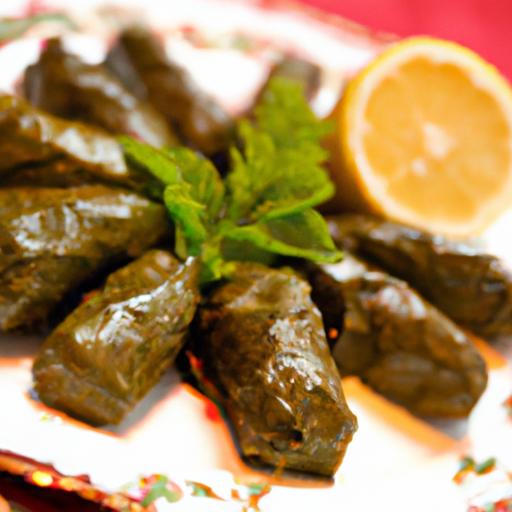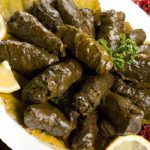

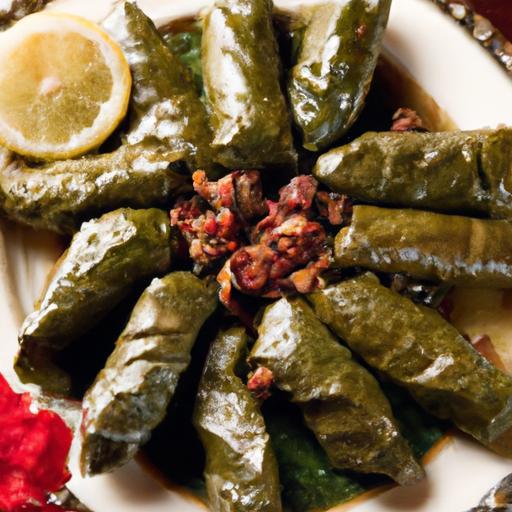
Nestled within the rich tapestry of Mediterranean and Middle Eastern cuisine lies a dish that embodies tradition, flavor, and artistry: Stuffed Grape Leaves, or Warak Enab. These delicate parcels, lovingly wrapped in tender grape leaves and filled with a fragrant blend of rice, herbs, and spices, offer more than just a meal-they offer a journey through centuries of culture and culinary mastery.
Stuffed grape leaves, or Warak Enab, offer a sensory journey steeped in history, culture, and vibrant flavors. This beloved dish traces back centuries across the Mediterranean and Middle Eastern regions, where families have passed down secrets for crafting perfectly tender, flavor-packed parcels wrapped in glossy grape leaves. Whether shared around a bustling family table or served at festive gatherings, Warak Enab represents hospitality and the joy of communal dining.
Prep and Cook Time
Planning: 45 minutes
Cooking: 1 hour 15 minutes
Total Time: 2 hours
Yield
Approximately 40 stuffed grape leaves (serves 6-8)
Difficulty Level
Medium
Ingredients
- 1 jar (16 oz) grape leaves, rinsed and drained
- 1 cup long-grain rice, rinsed and soaked for 20 minutes
- 300g ground lamb or beef (optional for non-vegetarian)
- 1 large onion, finely diced
- 2 medium tomatoes, finely chopped
- 1/2 cup fresh parsley, chopped
- 1/4 cup fresh mint, chopped
- 1/4 cup olive oil, plus extra for drizzling
- Juice of 2 lemons, divided
- 1 teaspoon ground allspice
- 1 teaspoon ground cinnamon
- Salt and freshly ground black pepper, to taste
- 1 1/2 cups vegetable or chicken broth
Instructions
- Prepare the filling: In a large skillet, heat 2 tablespoons of olive oil over medium heat. Sauté the diced onion until translucent and fragrant, about 5 minutes. Add the ground lamb (if using) and cook until browned, breaking it up with a wooden spoon.
- Add rice and herbs: Stir in the rinsed rice, chopped tomatoes, parsley, and mint. Season with allspice, cinnamon, salt, and pepper. Mix thoroughly to combine all ingredients.
- Moisten the filling: pour in 1 lemon’s juice and half a cup of broth, then simmer gently until the rice absorbs moast of the liquid but remains slightly firm, about 10 minutes. Remove from heat and let cool slightly.
- Prep grape leaves: Carefully separate the grape leaves and blot them dry with a paper towel. Remove any tough stems.
- Stuff and roll: Place one grape leaf shiny side down on a flat surface. Position a teaspoon of filling near the stem end, fold the sides in, then roll firmly from the stem end up, forming a tight cylinder about 2 inches long. repeat until filling is used.
- Arrange in pot: Line the bottom of a heavy-bottomed pot with a layer of whole grape leaves to prevent sticking and add moisture retention. Layer the stuffed grape leaves snugly, seam side down, packing them tightly to keep their shape during cooking.
- Cook: Drizzle the remaining olive oil and juice of the second lemon over the rolls. Add broth to just cover the grape leaves. Place a heavy plate on top to keep them submerged. Bring to a gentle simmer, cover, and cook for 45-60 minutes until leaves are tender and rice is fully cooked.
- Rest and serve: Let rest for 10 minutes before carefully removing from pot.Arrange on a serving platter.
Tips for Success
- Leaf selection: Fresh grape leaves are best in season, but jarred leaves work well if rinsed thoroughly to remove excess brine.
- Rice choice:</b is critical-choose medium or long-grain rice to avoid mushiness; avoid instant types.
- Rolling technique: Keep your rolls tight but not stuffed to bursting; overfilling can cause them to open during cooking.
- Make-ahead: Stuffed grape leaves can be refrigerated for up to two days or frozen for up to a month-perfect for prep in advance.
- Vegetarian option: Simply omit meat and increase herbs and lemon juice for a fresh, tangy filling.
Serving Suggestions and Creative Twists
Traditionally, these stuffed grape leaves shine when served warm or at room temperature alongside cooling sides like creamy tzatziki, tangy labneh, or a crisp cucumber and tomato salad. A drizzle of extra virgin olive oil and a sprinkle of freshly chopped dill or mint elevate the presentation.
For a creative twist, try stuffing with nutty quinoa or bulgur wheat for different textures and flavors. Adding pine nuts or currants to the filling introduces delightful bursts of sweetness and crunch. Serve as elegant bite-sized appetizers with a dollop of muhammara or pomegranate molasses to amplify their Middle eastern charm.
| Nutrition (per 3 rolls) | Amount |
|---|---|
| Calories | 210 |
| Protein | 8g |
| Carbohydrates | 28g |
| Fat | 7g |
For a deeper dive into Mediterranean culinary traditions, visit the Encyclopaedia Britannica’s Mediterranean Cuisine.
Explore more authentic Mediterranean dishes in our Mediterranean recipe collection to expand your kitchen repertoire!

Q&A
Q&A: Stuffed Grape Leaves (Warak Enab) – A Flavor-Packed Journey
Q1: What exactly are stuffed grape leaves, or Warak enab?
A1: Imagine tender grape leaves lovingly wrapped around a vibrant filling of rice, herbs, and sometimes meat-a culinary embrace that’s both comforting and exotic. Warak Enab is a beloved Middle Eastern dish, known for its delicate textures and rich, savory flavors that tell stories of ancient kitchens and family gatherings.
Q2: Where does Warak Enab originate from?
A2: This dish is a beloved staple throughout the Mediterranean and Middle Eastern regions, with roots tracing back to the Levant – particularly Lebanon, Syria, and Palestine. It reflects the region’s love for fresh herbs, citrus, and wholesome ingredients, creating a dish that’s both humble and sophisticated.
Q3: What are the key ingredients in customary Warak Enab?
A3: The heart of the dish lies in grape leaves, tender and slightly tangy. Inside, you’ll find a fragrant blend of rice, pine nuts, chopped tomatoes, onions, and a symphony of spices like cinnamon, allspice, and mint. Sometimes ground lamb or beef joins the party for added richness, while a squeeze of lemon juice ties everything together with a bright, zesty finish.
Q4: How is Warak Enab traditionally prepared?
A4: Crafting Warak Enab is an art form. Each leaf is carefully separated, blanched to soften, then filled with a modest spoonful of the rice mixture. The leaves are wrapped tightly like tiny parcels, layered snugly in a pot, and cooked slowly in a savory broth, often with lemon and olive oil, until they reach tender perfection.
Q5: Why is Warak Enab often enjoyed at celebrations?
A5: Beyond its tasty taste, Warak Enab represents hospitality, patience, and togetherness. its preparation is often a communal affair, with families gathering around to roll the leaves and share stories. Serving these bite-sized delights at celebrations is a gesture of love-an edible symbol of cultural pride and familial bonds.
Q6: Can stuffed grape leaves be enjoyed cold or hot?
A6: Absolutely! Warak Enab is versatile. Hot, it offers a warm, comforting bite; cold, it becomes a refreshing, tangy appetizer-perfect for sunny afternoons or as part of a mezze spread. Both ways, the flavors shine in their own unique light.
Q7: Are there variations of stuffed grape leaves?
A7: Indeed! While Warak Enab is a classic, variations abound across cultures. Some add ground meat, others opt for vegetarian fillings with lentils or chickpeas. The spices can shift, and some versions swap grape leaves for cabbage or vine leaves, each riff adding a new verse to this timeless culinary ballad.
Q8: How can a beginner try making Warak Enab at home?
A8: Start simple: source fresh or jarred grape leaves, rinse and blanch them gently. Use a basic filling of rice, chopped herbs, onions, and lemon juice. Don’t rush the rolling-think of it as folding a delicate letter of love. Simmer the rolls slowly and savor the process as much as the final dish. The journey is part of the flavor!
Dive into the world of Warak Enab and discover how this modest dish weaves culture, history, and taste into every bite-a true flavor-packed journey!
Key Takeaways
As we unwrap the final leaf of this flavorful journey through Stuffed Grape Leaves, or Warak Enab, it becomes clear that this humble dish is far more than just a culinary delight. It is a vibrant tapestry woven from history, culture, and the timeless joy of shared meals. Whether enjoyed as a comforting homemade treat or savored at a bustling market, Warak Enab invites us to slow down, appreciate the artistry of simple ingredients, and connect across generations and borders.So next time you take a bite of those tender, herb-infused leaves, remember-you’re tasting a story as rich and layered as the dish itself.