
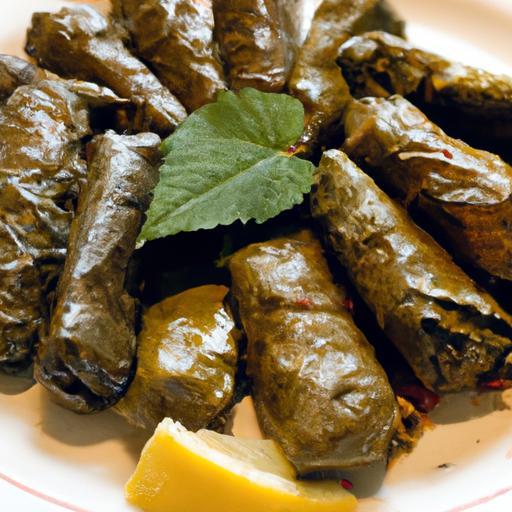
Wrapped in tradition and bursting with flavor, stuffed grape leaves-known as dolmades in Greece-are much more than just a humble appetizer. These tender parcels of vine leaves, lovingly filled with a fragrant blend of rice, herbs, and sometimes meat, offer a appetizing journey into the heart of Greek culinary heritage. From seaside tavernas to bustling city kitchens, dolmades captivate food lovers with their delicate balance of tangy, savory, and fresh notes. Join us as we explore the origins, regional variations, and mouthwatering appeal of this timeless Greek delight that continues to enchant palates around the world.
Stuffed grape leaves have been a treasured staple in Greek cuisine for centuries, weaving together regional history, culture, and flavor into each tender roll. Known as Dolmades, this iconic dish captures the essence of Mediterranean freshness, blending aromatic herbs, zesty lemon, and hearty fillings wrapped in delicate grape leaves. My first encounter with Greek Dolmades was during a sun-drenched afternoon in Santorini, where biting into these luscious parcels of tradition felt like tasting the islandS vibrant spirit.Whether served as a mezze appetizer or a light main, the art of crafting perfect stuffed grape leaves is both an homage to Greek heritage and a party of culinary craftsmanship.
Prep and Cook Time
- Preparation: 40 minutes
- Cooking: 1 hour
- Total Time: 1 hour 40 minutes
Yield
- Approximately 30 stuffed grape leaves
- Serves 6-8 people
Difficulty Level
- Intermediate
Ingredients
- 30 grape leaves, jarred or fresh, rinsed and drained
- 1 cup long-grain white rice, rinsed and drained
- 1 large onion, finely chopped
- 2 cloves garlic, minced
- 1/4 cup fresh dill, finely chopped
- 1/4 cup fresh parsley, finely chopped
- 1/4 cup fresh mint, finely chopped
- 1/2 cup extra virgin olive oil, plus more for drizzling
- Juice of 2 lemons, plus wedges for serving
- 1 tsp ground cinnamon
- 1 tsp allspice
- Salt and freshly ground black pepper, to taste
- 1 1/2 cups vegetable or chicken broth
Instructions
- Prepare the filling: In a large skillet, heat half of the olive oil over medium heat. Sauté the finely chopped onion untill soft and translucent, approximately 5-7 minutes.add the minced garlic and cook for another minute until fragrant.
- Mix the rice and herbs: In a large bowl, combine the sautéed onions and garlic with the rinsed rice, chopped dill, parsley, mint, cinnamon, allspice, salt, and pepper. Stir in the lemon juice and the remaining olive oil, blending everything into a harmonious filling.
- Stuff the grape leaves: Lay one grape leaf shiny side down on a flat surface. Place about 1 tablespoon of the rice mixture near the stem end. Fold the sides of the leaf inward and roll tightly to enclose the filling, forming an oblong parcel. Repeat until all filling and leaves are used.
- Arrange in the cooking pot: Place a few unused grape leaves at the bottom of a wide pot to prevent sticking.Neatly layer the stuffed grape leaves seam-side down in tight rows, fitting them snugly together.
- Add broth and cook: Pour the vegetable or chicken broth over the dolmades until almost covered. Place a heat-proof plate on top to hold them down during cooking. Cover the pot and simmer gently over low heat for about 50-60 minutes, until the rice is tender and the liquid has mostly absorbed.
- Rest before serving: Remove from heat and let dolmades rest for 15 minutes. Drizzle with extra olive oil and sprinkle more fresh herbs if desired.
Tips for Success
- Leaf selection: Fresh grape leaves provide unbeatable flavor, but jarred leaves soaked in warm water to soften are a reliable alternative.
- Keep rolls tight: Wrapping snugly but not too tight ensures the rice expands evenly and the leaves stay intact.
- Make ahead: Stuffed grape leaves taste even better the next day! Store leftovers covered in the fridge and gently reheat with a splash of broth or lemon water.
- Variations: Incorporate ground lamb or beef for a meatier version, or try bulgur wheat in place of rice for a nutty texture.
Creative Variations and Flavor Pairings
Elevate yoru stuffed grape leaves by experimenting with fillings inspired by complementary Mediterranean ingredients. try a vibrant stuffing of quinoa, sun-dried tomatoes, pine nuts, and crumbled feta for a fresh twist. Alternatively, infuse the classic recipe with cinnamon and raisins for a sweet-savory contrast. Serve alongside tzatziki, a refreshing cucumber and yogurt dip, or drizzle with a garlicky avgolemono sauce to impart a luscious, citrusy finish. Pair with chilled Assyrtiko or a crisp Rosé to highlight the citrus and herbaceous notes inherent in the dish.
Serving Suggestions
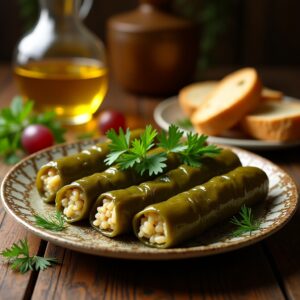
Present your stuffed grape leaves on a rustic wooden board or a crisp white platter for striking contrast. Garnish with lemon wedges, fresh mint sprigs, and a drizzle of golden olive oil to enhance visual appeal and flavor complexity. Offer alongside mezze staples such as olives, marinated artichokes, and warm pita bread. These aromatic parcels shine as part of a communal feast or light lunch and pair beautifully with simple Greek salads dusted with oregano and sprinkled with crushed kalamata olives.
| Nutritional Info (per serving) | Calories | Protein | Carbs | Fat |
|---|---|---|---|---|
| greek Dolmades stuffed with rice and herbs | 180 kcal | 4 g | 26 g | 7 g |

For an in-depth look into mediterranean herbs and their uses, explore Encyclopaedia Britannica’s article on greek cuisine. To expand your mezze repertoire, check our Mediterranean Mezze Recipes Collection for more inspiration.
Q&A
Q&A: Stuffed Grape Leaves – Exploring Greek Dolmades Delight
Q1: what exactly are dolmades?
A1: Dolmades are a customary Greek delicacy consisting of tender grape leaves wrapped around a savory filling.This filling frequently enough features a mix of rice, fresh herbs, sometimes ground meat, pine nuts, and spices. The result is a bite-sized bundle bursting with Mediterranean flavors-think tangy, herby, and comforting all at once.
Q2: Why are grape leaves chosen as the “wrapper” for this dish?
A2: Grape leaves provide a unique texture and a slightly tart flavor that beautifully complements the filling inside. their pliability when cooked allows for easy rolling, and they impart a subtle earthiness that anchors the aromatic herbs and spices in the filling. Plus, they’re a flavorful, natural “package” that embodies the abundant spirit of the Mediterranean.
Q3: Are dolmades always served warm?
A3: Not necessarily! In Greek cuisine, dolmades can be enjoyed both warm and cold. Warm dolmades are often savory with meat, served as a main or side dish, while vegetarian versions, typically rice and herb-filled, are traditionally served chilled or at room temperature-perfect as an appetizer or picnic treat. Either way, they’re deliciously satisfying.
Q4: What makes Greek dolmades unique compared to similar dishes in neighboring countries?
A4: While stuffed grape leaves appear throughout the Mediterranean and Middle east, Greek dolmades are distinctive for their pronounced use of fresh herbs like dill, mint, and parsley, combined with citrusy notes from lemon juice or zest. This luminous flavor profile, together with the often vegetarian-friendly filling, offers a lighter, refreshing take compared to spiced meat-heavy versions found elsewhere.
Q5: How difficult is it to make dolmades at home?
A5: Making dolmades can seem daunting at first-rolling delicate grape leaves and prepping the filling requires some patience-but it’s a rewarding culinary adventure! With practice, the rolling becomes a soothing, almost meditative process. Plus, the ingredients are wholesome, and the end result is a dish that connects you to centuries of Greek culinary tradition.
Q6: Can dolmades be customized to suit different tastes or diets?
A6: Absolutely! The beauty of dolmades lies in their versatility. You can keep them vegetarian, or enrich the filling with ground lamb or beef.For a vegan twist, stick to rice, fresh herbs, and pine nuts.Some recipes add currants or raisins for a hint of sweetness,while others experiment with spices like cinnamon or allspice. The possibilities are as vast as the Mediterranean itself.
Q7: What is the best way to serve and enjoy dolmades?
A7: Traditionally, dolmades are served with a drizzle of olive oil and a generous squeeze of fresh lemon juice-this citrusy finish elevates the earthy flavors. They pair beautifully with tzatziki,Greek yogurt,or a simple salad. Whether as part of a meze spread or a light lunch,dolmades invite sharing and savoring,making every meal a small celebration.
Q8: What cultural or historical meaning do dolmades hold in Greece?
A8: Dolmades are more than just food-they’re a symbol of Greek hospitality and culinary heritage. Passed down through generations, they embody the resourcefulness of rural life, using local ingredients like grape leaves, herbs, and rice to create something nourishing and communal.Sharing dolmades is often an act of love, family bonding, and tradition, inviting all to taste a piece of Greece’s soul.
Exploring greek dolmades is not just about tasting delicious stuffed grape leaves; it’s stepping into a story steeped in history, culture, and vibrant flavors. Whether you’re a seasoned foodie or a curious cook, dolmades offer a doorway to the heart of Mediterranean cuisine-wrapped, rolled, and ready to delight.
The Conclusion
as our journey through the world of Greek dolmades draws to a close, one thing is clear: these humble stuffed grape leaves are much more than a simple dish. They are a vibrant tapestry of history, culture, and flavor, rolled into every tender leaf and fragrant herb. Whether enjoyed as a savory appetizer or a satisfying main, dolmades invite us to savor tradition while embracing the warmth of Greek hospitality. So next time you unwrap a delicate parcel of vine leaves, remember-you’re tasting a story steeped in centuries of culinary passion.Dive in, and let the rich legacy of dolmades delight your palate and spark your curiosity for more Mediterranean treasures.