
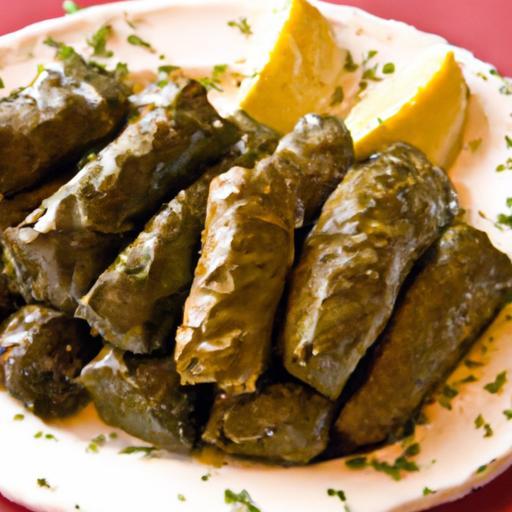
Nestled within the vibrant tapestry of middle Eastern cuisine lies a dish that has captivated palates for centuries: stuffed grape leaves. Known by manny names-dolma, warak enab, or yaprak sarma-these delicate parcels of vine leaves wrapped around savory fillings tell a story of tradition, culture, and culinary artistry.Whether enjoyed as a humble street food or a cherished family recipe passed down through generations, stuffed grape leaves offer a harmonious blend of textures and flavors that transcend borders and time. Join us as we unravel the timeless allure of this beloved Middle Eastern delight, exploring its rich history, regional variations, and the secrets behind its irresistible charm.
Stuffed grape leaves are more than just a dish; they are a rich tapestry woven through centuries of Middle Eastern culture and culinary tradition.Originating from the fertile lands around the Mediterranean and the Levant,these tender,vine-wrapped parcels encapsulate stories of family gatherings,celebrations,and the art of patience in cooking. Each bite bursts with harmonious flavors born from simple yet vibrant ingredients, making stuffed grape leaves a beloved staple across borders.
Prep and Cook Time
Preparation: 30 minutes | Cooking: 1 hour | Total Time: 1 hour 30 minutes
Yield
Makes approximately 30 stuffed grape leaves, serving 6-8 as an appetizer or light main dish.
Difficulty Level
Intermediate – requires some patience but rewarding for home cooks seeking authentic middle Eastern flavors.
Classic Ingredients that Bring Authentic Flavors to Life
- 1 jar (16 oz) grape leaves, rinsed and drained
- 1 cup long-grain white rice, rinsed
- 1 large onion, finely chopped
- 2 garlic cloves, minced
- 1/2 cup fresh parsley, finely chopped
- 1/4 cup fresh dill, chopped
- 1/4 cup fresh mint, chopped
- 1/4 cup olive oil, plus extra for drizzling
- Juice of 2 lemons (plus wedges for serving)
- 1 tsp ground allspice
- 1/2 tsp ground cinnamon
- Salt and freshly ground black pepper, to taste
- 1 1/4 cups vegetable broth or water
Step by step Guide to Perfectly Rolling and Cooking Dolmas
- Prepare the filling: In a large skillet,heat 2 tablespoons of olive oil over medium heat. Add the chopped onion and sauté until golden, about 5 minutes, stirring occasionally to avoid burning. Stir in garlic and cook for 1 minute.
- Combine rice and herbs: In a large bowl, mix the sautéed onion and garlic with rice, parsley, dill, mint, allspice, cinnamon, salt, and pepper. Add half the lemon juice and 2/3 cup vegetable broth. Stir well until combined.
- Prepare grape leaves: Rinse the grape leaves thoroughly under cold water to remove brine. Pat dry and trim any tough stems.
- Rolling technique: Lay a grape leaf flat (vein side up), place 1 tablespoon of filling near the stem end. Fold the sides over the filling, then roll tightly from the stem upwards, like a small burrito, ensuring no filling escapes. Aim for uniform size for even cooking.
- Layer and cook: Line the bottom of a heavy pot with a few reserved grape leaves to prevent sticking. Place the dolmas seam-side down in tightly packed layers. Drizzle with remaining olive oil,lemon juice,and broth. Place a heatproof plate on top to weigh them down.
- Simmer gently: Cover and cook on low heat for about 45-60 minutes, until rice is tender and leaves are soft.Check occasionally to ensure liquid doesn’t evaporate; add water as needed.
- Rest and serve: Let dolmas cool slightly in the pot for 10 minutes after cooking to allow flavors to meld.
Expert Tips and Pairings for Serving stuffed Grape Leaves
Successful stuffed grape leaves hinge on rolling with care and balancing flavors. Use fresh herbs for brightness and do not overstuff to keep the rolls intact. for a contrasting texture, serve cold with creamy yogurt or tzatziki. Garnish with lemon wedges and a sprinkle of sumac for vibrant color and a tangy punch.
Pair your dolmas with warm pita bread, a crisp fattoush salad, or as part of a mezze platter with olives, hummus, and roasted eggplant. This dish shines beautifully with a light,fruity white wine or a sparkling water infused with mint and cucumber for a refreshing lift.
Tips for Success
- Substitute rice: Short-grain rice or bulgur can be used for a different texture.
- Make-ahead: Prepare dolmas a day prior; flavors deepen beautifully overnight in the fridge.
- Preserve freshness: Rinse grape leaves thoroughly to balance saltiness; soak longer if too salty.
- Vegetarian option: This recipe is traditionally vegetarian, but you can add ground lamb or beef for a meatier variation.
- To avoid tearing: Use fresh, tender grape leaves and roll with gentle but firm pressure.
| Nutrient | Per Serving |
|---|---|
| Calories | 140 kcal |
| Protein | 3 g |
| Carbs | 22 g |
| Fat | 5 g |

Discover more about staple Middle Eastern dishes like classic hummus to complement your dolmas. For further reading on the cultural roots of this dish, visit the Encyclopaedia Britannica’s dolma entry.
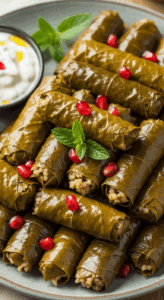
Q&A
Q&A: Stuffed Grape Leaves – A Timeless Middle Eastern Delight
Q1: What exactly are stuffed grape leaves?
A: Stuffed grape leaves-also known as dolma or warak enab-are tender grape leaves wrapped around a flavorful filling, typically made with rice, herbs, spices, and sometimes meat. This culinary gem is a beloved appetizer or side dish throughout the Middle East and Mediterranean regions.
Q2: Where does this delicious dish originate from?
A: Stuffed grape leaves have a rich history spanning centuries, with roots deeply embedded in middle Eastern, Mediterranean, and Balkan cuisines.The dish dates back to the Ottoman Empire era, but its precise origin is a mosaic of cultural influences, making it a true symbol of shared culinary heritage.
Q3: What ingredients are traditionally used inside the grape leaves?
A: The filling usually features fragrant rice combined with fresh herbs like parsley, dill, and mint, along with onions, pine nuts, and a clever splash of lemon juice. In some variations, ground lamb or beef is mixed in for a heartier version. The magic is in the balance of flavors-earthy, tangy, and herbaceous.
Q4: How are stuffed grape leaves typically served?
A: Frequently enough served cold or at room temperature,stuffed grape leaves make a perfect appetizer or part of a mezze platter. They’re drizzled with olive oil and sometimes accompanied by a side of creamy yogurt or tangy tahini sauce, enhancing their vibrant taste.
Q5: Are stuffed grape leaves healthy?
A: absolutely! Grape leaves themselves are low in calories and rich in vitamins A and K. The filling,packed with herbs and rice,offers a good source of fiber and antioxidants. when made without meat, they’re an excellent vegetarian and vegan-amiable option.
Q6: Can I make stuffed grape leaves at home,or is it too intricate?
A: While wrapping grape leaves can feel like an art form,with patience and practice,anyone can master it! Homemade stuffed grape leaves allow you to customize flavors and enjoy the satisfaction of crafting this traditional dish from scratch. plus,it’s a marvelous way to connect with Middle Eastern culture in your own kitchen.
Q7: What makes stuffed grape leaves a timeless Middle Eastern delight?
A: Their enduring appeal lies in the blend of history, culture, and flavor-each bite tells a story. Stuffed grape leaves are more than just food; they are a party of tradition, hospitality, and the joyous act of sharing a lovingly crafted meal with family and friends. This dish has transcended borders and generations, promising a delicious taste of heritage every time.
Future Outlook
From the sun-kissed vineyards where tender grape leaves flourish to the aromatic kitchens where spices mingle and meld, stuffed grape leaves embody a rich tapestry of Middle Eastern heritage and hospitality. This timeless delight is more than just a dish; it’s a delicious bridge connecting generations, cultures, and stories. Whether served as a festive appetizer or a comforting homemade treat, each bite invites you to savor centuries of tradition wrapped lovingly in every leaf. So the next time you encounter these little parcels of flavor, remember-they carry with them the heart and history of a region, inviting you to taste a piece of its enduring legacy.