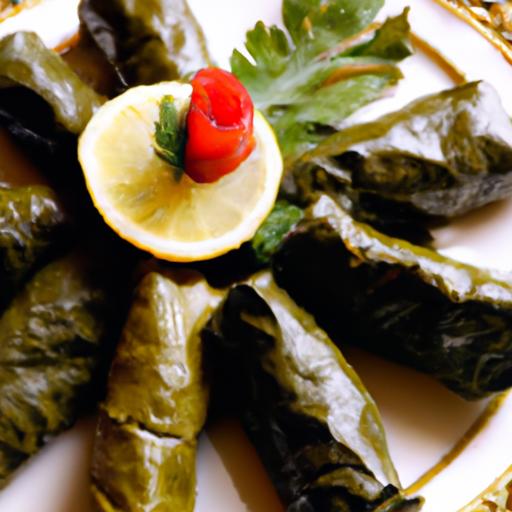

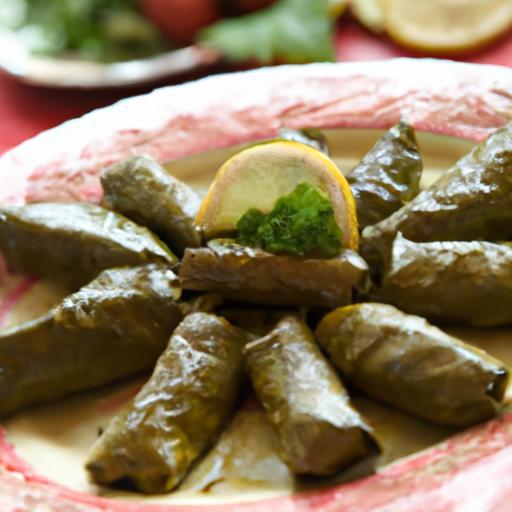
There’s a humble leaf that carries within it centuries of tradition, a harmony of flavors wrapped in tender green folds – the stuffed grape leaf, known as Warak Enab across Middle Eastern tables. more than just a dish, Warak Enab is a culinary story, a flavorful tapestry woven from rice, herbs, spices, and sometimes meats, all lovingly embraced by vibrant grape leaves.Each bite is a journey through time and culture, a taste that connects generations and regions with its fragrant, tangy, and savory charm.Join us as we unwrap the history, ingredients, and techniques behind this iconic dish, savoring the essence of heritage rolled into every morsel.
Stuffed Grape Leaves (Warak Enab): A Taste of Tradition
Stuffed grape leaves (Warak Enab) embody a delicious tapestry of history, culture, and culinary artistry that stretches across the Mediterranean and Middle Eastern regions. This beloved dish speaks of family gatherings, festive celebrations, and the warmth of shared meals. Whether you know it as dolma, dolmades, or simply Warak Enab, the tender grape leaves cradling a fragrant filling transport you to sun-kissed vineyards and bustling markets. Let’s dive into the secrets behind these rolls-explore their origins, essential ingredients, and master the art of rolling them to perfection.
Prep and Cook Time
- Readiness Time: 45 minutes
- Cooking Time: 1 hour 15 minutes
- Total Time: 2 hours
Yield
Makes approximately 40 stuffed grape leaves (serves 6-8)
Difficulty Level
Medium – Requires some patience and careful rolling, but highly rewarding.
Origins and Cultural Meaning of Stuffed Grape Leaves
Originating from the crossroads of the Mediterranean basin, stuffed Grape Leaves (Warak Enab) is a dish steeped in history, spanning cultures from Lebanon and Greece to Turkey and Armenia. These little bundles of love symbolize hospitality; handed down through generations, they are frequently enough crafted during communal gatherings where stories and laughter blend with aromatic herbs and spices. The combination of vine leaves and rice reflects the agrarian roots of these regions, utilizing local, seasonal ingredients to fashion a dish that is both humble and celebrated. popular in religious festivities and family feasts alike, this recipe carries a global message: food nourishes body, soul, and community.
Exploring the Essential Ingredients and Flavor Profiles
The beauty of Stuffed Grape Leaves (Warak Enab) lies in their delicate balance of flavors-earthy grape leaves, citrusy lemon, fragrant herbs, and the subtle warmth of spices. the essential filling ingredients typically include short-grain rice, fresh parsley, mint, and onions. Optional additions like pine nuts or ground meat amplify texture and richness.The shining acidity from fresh lemon juice cuts through the softness, lending freshness to each bite. Olive oil braising gives a silky finish and a golden sheen. Authentic versions lean heavily on seasonal, natural ingredients to evoke that unmistakable fresh taste that has enchanted palates for centuries.
Ingredients
- 1 jar (about 400g) grape leaves, rinsed and drained
- 1 cup short-grain rice, rinsed and drained
- 1 large onion, finely chopped
- 2 medium tomatoes, finely diced
- 1/2 cup pine nuts (optional, toasted)
- 1 cup fresh parsley, finely chopped
- 1/4 cup fresh mint leaves, chopped
- 1/4 cup extra virgin olive oil, plus extra for cooking
- juice of 2 large lemons
- 1 tsp ground allspice
- 1 tsp ground cinnamon
- Salt and freshly ground black pepper, to taste
- 2 cups vegetable or chicken broth
Step-by-Step Guide to Perfectly Rolling Warak Enab
- Prepare the grape leaves: rinse the grape leaves gently under cold water to remove excess brine.Lay them flat on a clean towel, stems trimmed.
- Pre-cook the filling base: Heat 2 tablespoons of olive oil in a pan over medium heat. Sauté the chopped onions until translucent and fragrant, about 5 minutes. Add the diced tomatoes and cook for another 5 minutes,stirring frequently.
- Mix the filling: In a large bowl, combine the sautéed onion and tomato mixture with rinsed rice, pine nuts, parsley, mint, spices, salt, and pepper. Stir well, then add the lemon juice and olive oil. the mixture should be moist but not watery.
- Roll your stuffed grape leaves: place a grape leaf shiny side down and stem facing you.Spoon about 1 teaspoon of filling near the stem edge. fold the sides over the filling, then tightly roll from the stem edge to the tip, forming a neat cylinder approximately 1.5 to 2 inches long. Repeat with all leaves.
- Layer the pot: line the bottom of a heavy pot with unused grape leaves (to prevent sticking). Arrange the rolls seam side down in tight, concentric circles. Pack as many as comfortably fit.
- Add broth and cook: drizzle remaining olive oil and the broth over the rolls. Place a heavy plate or lid smaller than the pot diameter over the stuffed leaves to keep them submerged during cooking.
- simmer gently: Cover with a pot lid and simmer on low heat for about 60-75 minutes, until rice is tender and liquid is absorbed. Avoid boiling vigorously to prevent tearing.
- Rest and serve: let the rolls cool in the pot for 15 minutes before serving to allow flavors to meld and prevent breaking.
Tips and Tricks for Serving and storing Your Delicious Creation
- Serve chilled or at room temperature with a drizzle of extra virgin olive oil and a few lemon wedges for an authentic finish.
- A dollop of tangy Greek yogurt dip complements the savory flavors wonderfully.
- For optimal flavor, allow the rolls to rest overnight in the refrigerator-like most traditional recipes, they taste even better the next day.
- Store leftovers in an airtight container in the refrigerator for up to 4 days. They reheat gently in a covered pan with a splash of broth or water to keep moist.
- If fresh grape leaves aren’t available, frozen leaves are a great choice, but ensure thorough thawing and rinsing.
- Use a sharp knife to trim the stems of the leaves for smooth rolling and to avoid tearing.
Serving Suggestions
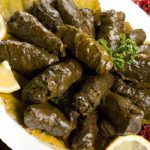
Stuffed Grape Leaves (Warak Enab) shine most beautifully when served as part of a mezze platter. Arrange the rolls neatly on a ceramic plate, garnished with freshly chopped parsley, lemon slices, and a scattering of pomegranate seeds for vibrant color. Accompany with warm pita bread and fresh tzatziki or toum sauce for a harmonious mix of textures and flavors. Whether as a starter or a light main, these delicate parcels are sure to impress guests with their intricate flavors and cultural depth.

Nutritional Data (Per Serving)
| Nutrient | Amount |
|---|---|
| Calories | 180 kcal |
| Protein | 4 g |
| Carbohydrates | 25 g |
| Fat | 7 g |
For further exploration of Mediterranean classics and complementary dishes, check out our extensive guide on Mediterranean Lentil Salad. For an academic perspective on the historical role of stuffed grape leaves in regional cuisines, visit Britannica’s article on Dolma.
Q&A
Q&A: Stuffed Grape Leaves (Warak Enab): A Taste of Tradition
Q1: What exactly are Stuffed Grape Leaves, or Warak Enab?
A1: stuffed Grape Leaves, known as Warak Enab in Arabic, are tender grape leaves lovingly wrapped around a savory filling typically made of rice, herbs, and sometimes minced meat. This dish is a culinary treasure in Middle Eastern and Mediterranean cuisines, symbolizing hospitality, family, and tradition.
Q2: Where does Warak Enab originate from?
A2: While many cultures cherish stuffed grape leaves, Warak Enab is especially beloved in Lebanese, Syrian, and Turkish kitchens. Its origins trace back centuries, a testament to its enduring appeal as a communal dish passed down through generations.
Q3: What’s inside the filling of traditional warak Enab?
A3: Traditionally, the filling combines fragrant rice, tangy lemon juice, fresh herbs like parsley and mint, and a hint of spices such as allspice or cinnamon. Some versions include ground lamb or beef, balancing richness with the brightness of the leaves and lemon.
Q4: How are Stuffed Grape Leaves prepared?
A4: Preparation is an act of patience and love. First, the grape leaves are blanched to soften.Then, small spoonfuls of filling are delicately placed on each leaf.They are rolled tightly into neat, bite-sized parcels, arranged snugly in a pot, layered with lemon slices and olive oil, and simmered slowly until tender.
Q5: Why is Warak Enab considered a dish of tradition?
A5: This dish is much more than food; it’s a ritual that brings families together. Frequently enough, making Warak Enab is a communal event-mothers, daughters, and grandmothers sharing stories and laughter while rolling each leaf. It embodies cultural heritage, celebrating both patience and togetherness.
Q6: How is warak Enab typically served?
A6: Warak Enab is usually served warm or at room temperature, ofen accompanied by a side of tangy yogurt or a sprinkle of fresh lemon juice. It appears at festive gatherings, casual lunches, and symbolic feasts alike, inviting everyone to savor a bite of history.
Q7: Can Warak Enab be enjoyed by vegetarians or vegans?
A7: Absolutely! Many versions are entirely plant-based, filled with rice, herbs, and spices-perfect for vegetarians and vegans. The dish’s magic lies in its simple, natural ingredients harmonizing to delight the palate.
Q8: What makes Warak Enab so special compared to other stuffed dishes?
A8: The unique combination of tangy grape leaves with the aromatic, lemon-infused filling gives Warak Enab a bright, refreshing flavor profile. Its deep cultural roots and the intimate, hands-on preparation transform it from mere sustenance into a heartfelt tradition.
Q9: How can someone new to Warak Enab start making it at home?
A9: Start with fresh or jarred grape leaves-rinse to remove excess brine. Prepare a simple filling of rice, herbs, lemon juice, and olive oil. Watch online tutorials for rolling techniques, then take your time assembling. The first attempt may be tricky, but with patience, it’s wonderfully rewarding!
Q10: Why should everyone try Warak Enab at least once?
A10: Warak Enab is a delicious gateway into a rich cultural mosaic. Sampling or making it connects you with generations of tradition, offering not just nourishment but a story wrapped in every bite-a taste that’s as timeless as the vine leaves themselves.
in summary
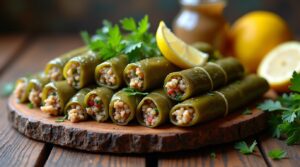
As the vine leaves gently cradle each tender bite, stuffed grape leaves-Warak Enab-invite us to savor more than just flavors; they offer a rich tapestry of culture, history, and tradition rolled into every delicious parcel. Whether shared at a bustling family gathering or enjoyed quietly at home, these little bundles are a testament to the enduring spirit of culinary heritage. So next time you unwrap a Warak Enab, remember you’re not just tasting a dish-you’re experiencing a timeless story, lovingly preserved and passed down through generations.