
In teh sprawling world of vegetables, few possess the quirky charm and culinary versatility of the spaghetti squash.Often touted as a low-carb choice to conventional pasta,this vibrant gourd has captured the hearts of health enthusiasts and foodies alike.But amid the whirl of recipes and nutritional claims, one question keeps twirling on many minds: just how many calories are really packed into those golden strands? Join us as we unravel the mysteries of spaghetti squash’s calorie count, peeling back layers of myth and fact to reveal the surprising truth behind this kitchen favorite.
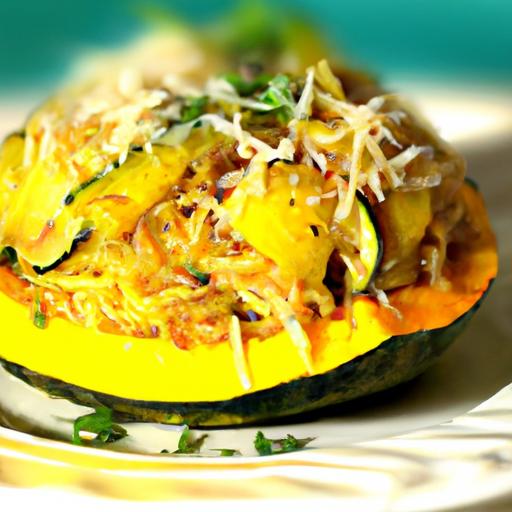
Spaghetti squash secrets unlock a remarkably light and versatile alternative to traditional pasta, inviting food lovers to enjoy satisfying meals with fewer calories. This vibrant winter squash, with its stringy flesh that naturally peels into spaghetti-like strands, not onyl adds visual intrigue to your plate but also supports a healthier lifestyle without sacrificing texture or flavor.
Prep and Cook Time
- Preparation: 10 minutes
- Cooking: 40 minutes (baking) or 15 minutes (instant pot)
- Total: Approximately 50 minutes
Yield
Serves 4 as a side dish or 2 as a main course
Difficulty Level
Easy – ideal for cooks looking to experiment with low-calorie pasta alternatives
Ingredients
- 1 medium spaghetti squash (about 3 pounds)
- 1 tablespoon olive oil (optional, to minimize calories use cooking spray)
- Salt and freshly ground black pepper, to taste
- Fresh herbs such as basil or parsley for garnish (optional)
- Optional low-calorie sauce: fresh tomato basil sauce or a light garlic broth
instructions
- Preheat your oven to 400°F (200°C). Using a sharp knife, carefully halve the spaghetti squash lengthwise. Scrape out and discard the seeds with a spoon.
- Lightly brush the flesh with olive oil or spray with a non-stick spray. Season with a pinch of salt and pepper to enhance natural sweetness without adding calories.
- Place the halves face down on a baking sheet lined with parchment paper.Roast for 35-40 minutes, or until the flesh is tender and easily shredded with a fork.
- Once cooled slightly, use a fork to gently scrape inside the squash to create long, spaghetti-like strands. Avoid pressing too hard, as this can mash the flesh.
- Serve immediately, tossing with your choice of fresh herbs or a light sauce to keep calorie count low and flavors shining.
chef’s Notes: Tips for Success
- Choosing the squash: Select firm,uniformly shaped squash with no soft spots for even cooking and maximum yield.
- Skipping oil: for an even lighter dish, omit oil entirely and rely on steaming in the microwave or instant pot for moisture.
- Microwave shortcut: Pierce holes in whole squash, microwave for 10-12 minutes, then slice and scrape for faster prep.
- Batch cooking: prepare extra spaghetti squash ahead of time and store refrigerated in an airtight container for up to 4 days or frozen for 2 months.
- Flavor boosters: Toss cooked squash with a squeeze of lemon, garlic powder, or chili flakes to enhance without adding unwanted calories.
Serving Suggestions
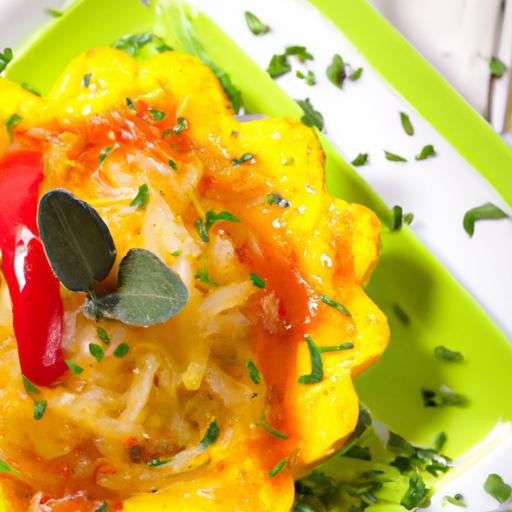
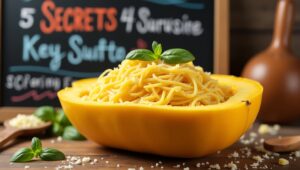
Present your spaghetti squash strands topped with a vibrant burst of freshly chopped basil and a sprinkle of cracked black pepper. For a colorful, low-calorie main, serve alongside roasted vegetables or lean grilled chicken. Alternatively, create a wholesome bowl by tossing spaghetti squash with lightly sautéed mushrooms, cherry tomatoes, and a drizzle of balsamic reduction.

Spaghetti Squash Secrets: Nutritional Comparison Table
| Item | Calories (per 1 cup) | Protein (g) | Carbs (g) | Fat (g) |
|---|---|---|---|---|
| Spaghetti squash | 42 | 1 | 10 | 0.4 |
| Traditional Pasta (cooked) | 200 | 7 | 42 | 1.3 |
When weighing the spaghetti squash secrets versus traditional pasta, it’s clear that this vegetable-based option delivers a fraction of the calories and carbohydrates, making it an outstanding ally for anyone aiming to reduce calorie intake without feeling deprived.
For a deeper dive into low-calorie, nutrient-dense meal options, explore our healthy low-calorie dinner recipes.
Additional insights into the benefits of vegetable noodles can be found at the Harvard T.H. Chan School of Public Health, an excellent resource for evidence-based nutrition guidance.
Q&A
Q&A: Spaghetti Squash Secrets: Unveiling Its Calorie Count
Q1: What exactly is spaghetti squash, and why is it called that?
A1: Spaghetti squash is a vibrant, yellow-hued winter squash named for the stringy, noodle-like texture its flesh takes on when cooked. Once roasted or steamed, the inside fibers separate into slender strands reminiscent of spaghetti pasta-making it a popular low-carb pasta alternative.
Q2: How many calories are in spaghetti squash?
A2: Here’s the secret revealed: one cup of cooked spaghetti squash contains roughly 42 calories. That’s just a fraction of the calories you’d find in traditional spaghetti noodles, making it a guilt-free option for calorie counters and carb-watchers alike.
Q3: Why is spaghetti squash such a popular choice for healthy eaters?
A3: Beyond its low calorie count, spaghetti squash boasts a treasure trove of nutrients like fiber, vitamins A and C, and potassium. It’s naturally gluten-free, low in carbs, and adds a subtly sweet flavor along with a satisfying texture, making it a versatile canvas for countless recipes.Q4: Can I use spaghetti squash as a direct replacement for pasta in all dishes?
A4: Absolutely! While it won’t have the same chewy texture as wheat pasta,spaghetti squash serves beautifully as a base for sauces,stir-fries,or even baked casseroles. Just keep in mind that it releases more water than traditional pasta, so adjusting cooking times and sauces may be necessary.
Q5: What’s the best way to prepare spaghetti squash to maximize flavor and texture?
A5: Roasting is a favorite method: cut the squash in half, scoop out seeds, drizzle with olive oil, and roast at 400°F (200°C) for about 40 minutes. Once tender, scrape with a fork to loosen the “spaghetti” strands.For extra flavor, add garlic, herbs, or a sprinkle of parmesan!
Q6: Are there any hidden calorie pitfalls when cooking spaghetti squash?
A6: The squash itself is low in calories, but watch out for the extras! Heavy creamy sauces, excessive cheese, or oil-heavy toppings can quickly boost the calorie count. Stick with light, fresh ingredients to keep your meal healthful and flavorful.
Q7: Can spaghetti squash help with weight loss efforts?
A7: Given its low calorie and high fiber content, spaghetti squash can help you feel full without overeating. Swapping out calorie-dense pasta for this veggie can reduce overall calorie intake, supporting weight management goals-making it a secret weapon in your healthy eating arsenal.
Q8: Any final tips for spaghetti squash newcomers?
A8: Don’t be intimidated by its size or appearance! With a little practice, you’ll master the art of turning this humble squash into a appetizing, nutritious dish. Experiment with spices and sauces until you find your perfect match-your taste buds will thank you.
wrapping Up
As we’ve uncovered,the humble spaghetti squash holds more than just the promise of a low-calorie pasta alternative-it’s a nutrient-packed powerhouse wrapped in a golden,veggie shell. Understanding its calorie count is just the first step toward unlocking endless culinary possibilities that satisfy both your taste buds and your wellness goals. So next time you’re craving comfort food without the guilt, remember the spaghetti squash secret: light on calories, heavy on flavor, and ready to reinvent mealtime one strand at a time.