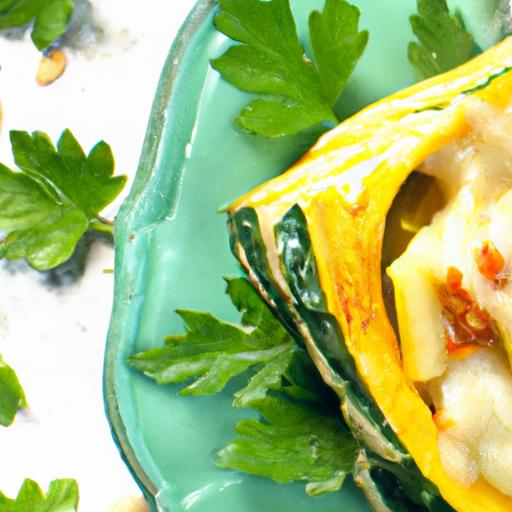

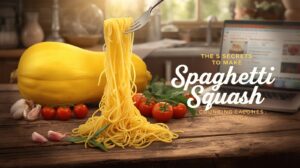
When it comes to counting calories without sacrificing taste, spaghetti squash is a game-changer hiding in plain sight. This vibrant, naturally low-calorie vegetable transforms mealtime into a flavorful adventure, effortlessly slipping into your diet like a secret ingredient. in “Spaghetti Squash Secrets: Counting Calories with Flavour,” we’re diving fork-first into the art of turning this golden gourd into satisfying, savory dishes that nourish your body and delight your palate. Get ready to unlock the appetizing potential of spaghetti squash and discover how counting calories can be as enjoyable as it is mindful.
Spaghetti squash is a remarkable ingredient that beautifully bridges the gap between satisfying, flavorful meals and mindful calorie counting. Celebrated for it’s unique, stringy flesh that mimics traditional pasta, spaghetti squash offers a low-calorie, nutrient-dense alternative perfect for weight management. Its subtly sweet, nutty flavor adapts effortlessly to a variety of seasonings, making it an ideal canvas for bold, healthy creations.
Prep and Cook Time
- Preparation: 10 minutes
- Cooking: 40 minutes (baking or steaming)
- Total Time: 50 minutes
Yield
Serves 4 generous portions
Difficulty Level
Easy – perfect for weeknight dinners or meal prep enthusiasts
Ingredients
- 1 medium spaghetti squash (approximately 3-4 pounds)
- 2 tbsp olive oil (extra virgin recommended for rich flavor)
- 3 cloves garlic, finely minced
- 1 cup cherry tomatoes, halved
- 1 cup fresh baby spinach, roughly chopped
- ½ cup grated Parmesan cheese (optional for extra richness)
- 1 tsp crushed red pepper flakes (for a mild kick)
- Salt and freshly cracked black pepper, to taste
- Fresh basil leaves, for garnish
- 2 tbsp nutritional yeast (optional, adds umami flavor with zero fat)
Instructions
- Preheat your oven to 400°F (200°C). Using a sharp knife, carefully cut the spaghetti squash in half lengthwise. Scrape out the seeds and stringy pulp with a spoon.
- Brush the cut sides of the squash with 1 tbsp olive oil. Season lightly with salt and pepper. Place the halves cut-side down on a baking sheet lined with parchment paper.
- Bake for 35-40 minutes or until the flesh is tender and easily pierced with a fork. Alternatively,to speed up the process,steam the squash cut-side down over boiling water for 20-25 minutes.
- Once cooked, let the squash cool slightly. Use a fork to shred the flesh into long noodles, separating strands gently to keep texture intact.
- In a large skillet, heat the remaining 1 tbsp olive oil over medium heat. Add garlic and sauté until fragrant and golden, about 1-2 minutes-watch carefully to avoid burning.
- Add the cherry tomatoes and cook for 3-4 minutes until they begin to soften and release juices.
- Stir in the shredded spaghetti squash strands, crushed red pepper flakes, and chopped spinach. Toss gently for 3 minutes,just until spinach wilts and the mixture is heated through.
- Remove from heat and sprinkle Parmesan cheese and nutritional yeast for a flavorful, cheesy finish without heavy cream or butter.
- Adjust seasoning with salt and freshly ground black pepper to enhance the natural sweetness of the squash and the freshness of the veggies.
- Serve immediately,garnished with fresh basil leaves to elevate the dish visually and aromatically.
Tips for Success
- Choose squash wisely: Look for one that feels heavy for its size with firm skin. Avoid any with soft spots or cracks.
- Smart swaps: Replace Parmesan with crumbled feta or a sprinkle of smoked paprika for a flavor twist without increasing calories.
- Meal prep-pleasant: Store cooked spaghetti squash in an airtight container in the fridge for up to 4 days. Reheat gently with a splash of broth to maintain moisture.
- Adding protein: Incorporate grilled chicken, roasted chickpeas, or sautéed shrimp for a more substantial, balanced meal.
- For extra creaminess: Stir in a dollop of plain Greek yogurt or a drizzle of tahini instead of heavy sauces.
Serving suggestions
Present this vibrant dish in shallow bowls to showcase the delicate strands of spaghetti squash twirled with vivid cherry tomatoes and lush spinach. Pair with a crisp mixed greens salad dressed lightly with lemon vinaigrette for a refreshing balance. Top with a sprinkle of toasted pine nuts for added crunch and nutty aroma.For a complete meal, add a side of oven-roasted garlic asparagus or steamed green beans.
| Nutrient | Per Serving |
|---|---|
| Calories | 140 kcal |
| Protein | 5 g |
| Carbohydrates | 21 g |
| Fat | 5 g |

For more delicious low-calorie recipes that complement your healthy lifestyle, check out our Zucchini Noodles Recipes for Fresh & Light Meals. To understand the health benefits of spaghetti squash further, please visit Healthline’s detailed nutrition guide.
Q&A
Q&A: Spaghetti Squash Secrets – Counting Calories with flavor
Q: What makes spaghetti squash a standout choice for calorie counters?
A: Spaghetti squash is a low-calorie superstar, boasting about 42 calories per cup, yet it offers a satisfying, noodle-like texture. Its natural sweetness and mild flavor make it a versatile canvas, perfect for any sauce or seasoning without tipping the calorie scale.
Q: How can I make spaghetti squash more flavorful without adding costly calories?
A: Enhance the squash’s subtle taste with herbs like basil, oregano, or thyme, a squeeze of fresh lemon juice, or a sprinkle of garlic powder. Roasting the squash caramelizes its natural sugars, intensifying flavor without a calorie price tag.
Q: Is spaghetti squash really filling enough to replace pasta?
A: Absolutely! Its fibrous strands provide volume and texture that tricks the brain into feeling satiated. Plus, it’s rich in fiber and water, promoting fullness and steady energy-ideal for mindful, calorie-conscious eating.
Q: What’s a creative way to count calories while maximizing flavor with spaghetti squash?
A: Try measuring toppings and dressings meticulously-opt for a drizzle of extra-virgin olive oil instead of heavy cream, or a sprinkle of Parmesan rather than a big cheese overload. Use fresh veggies and lean proteins to build complexity without bloating the calorie count.
Q: Can spaghetti squash fit into various dietary lifestyles?
A: Definitely! It’s naturally gluten-free, low-carb, vegan-friendly, and keto-compatible when eaten in moderation. Its adaptability means it can slide seamlessly into almost any meal plan focused on health and flavor.
Q: Any tips for cooking spaghetti squash to preserve nutrients and taste?
A: Roasting at 400°F for 40 minutes caramelizes the edges while keeping it tender. Steaming preserves more vitamins but yields less flavor. Always cook until the strands easily separate with a fork-this texture is key to the spaghetti squash experience.
Q: How can spaghetti squash elevate my meal prep without complicating calorie tracking?
A: Prepare the squash in bulk,portion it out in measured servings,and pair it with pre-counted sauces or proteins. This way, every bite is both flavorful and quantifiable, keeping calorie counting stress-free and delicious.
Q: What’s a final secret to mastering spaghetti squash for calorie-conscious foodies?
A: Embrace it as more than a pasta substitute-think of it as a vibrant ingredient, a flavor-absorbing partner that invites creativity. Counting calories becomes less about restrictions and more about discovering how to fill your plate with satisfaction and spice, strand by strand.
Closing Remarks
As we’ve unraveled the secrets of spaghetti squash, it’s clear this humble gourd is a powerhouse for those who crave flavor without tipping the calorie scales. From its naturally noodle-like strands to the myriad ways it can soak up savory sauces and spices, spaghetti squash proves that healthy eating doesn’t mean sacrificing taste. So next time you’re counting calories but yearning for a satisfying, colorful plate, remember this versatile veggie’s potential-turning simple meals into vibrant, guilt-free feasts. Embrace the squash, savor the flavor, and make every bite a delicious step toward mindful eating.