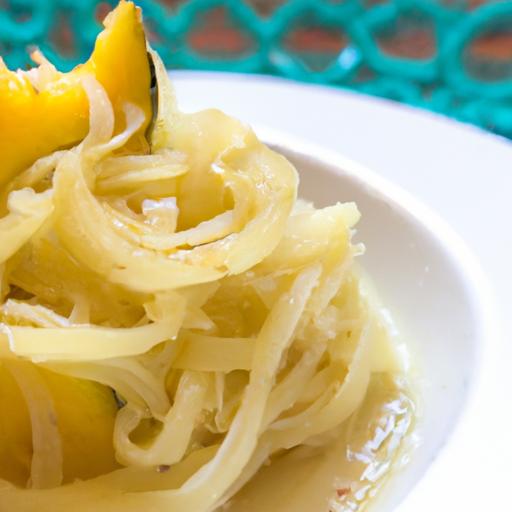

When it comes to wholesome eating without sacrificing flavour, spaghetti squash has quietly carved out it’s niche as a vibrant, healthful alternative to conventional pasta. This vibrant golden gourd isn’t just a feast for the eyes; it’s a light, tasty, and surprisingly nutritious dish that delights both the palate and the waistline. In this article, we’ll dive into the interesting world of spaghetti squash calories, unraveling the facts behind its low-calorie appeal and exploring why this versatile vegetable deserves a spot on your plate-weather you’re counting calories, craving comfort, or simply seeking a nutritious twist on a classic favorite. Let’s embark on a flavorful journey where health meets indulgence,one strand at a time.
spaghetti Squash Calories: Light, Tasty, and nutritious Facts
Spaghetti squash calories make this vibrant, golden-hued vegetable a perfect choice for anyone craving a light yet satisfying meal. Originating from North America, spaghetti squash has gained culinary fame because of its unique string-like flesh that twists into delicate “noodles” once cooked. I still remember my first experience with this versatile squash-how it transformed an ordinary weeknight dinner into a colorful, healthful feast without compromising on flavor or texture.
Prep and Cook Time
Readiness: 10 minutes | Cooking: 40 minutes | Total: 50 minutes
Yield
Serves 4 light portions
Difficulty Level
Easy – perfect for beginners and seasoned home cooks alike.
Ingredients
- 1 medium spaghetti squash (about 3 pounds)
- 2 tablespoons olive oil, extra virgin
- 1 teaspoon sea salt
- ½ teaspoon freshly ground black pepper
- 2 cloves garlic, minced
- 1 cup cherry tomatoes, halved
- ¼ cup fresh basil, chopped
- ¼ cup grated Parmesan cheese (optional)
- Red pepper flakes (optional, for a hint of heat)
Instructions
- Preheat your oven to 400°F (200°C).Carefully slice the spaghetti squash in half lengthwise using a sharp knife-take your time for safety and clean edges.
- Use a spoon to scoop out the seeds and stringy pulp from each half, creating space for the squash’s flesh to soften and form strands.
- Drizzle each squash half with 1 tablespoon olive oil, then sprinkle evenly with sea salt and pepper.
- Place the squash halves cut-side down on a baking sheet lined with parchment paper.
- Roast for 35-40 minutes until the flesh is tender and easily pierced by a fork. The strands should separate effortlessly when scraped with a fork.
- While the squash cooks, heat remaining olive oil in a skillet over medium heat. add minced garlic and sauté until fragrant, approximately 1 minute, being careful not to burn.
- Add cherry tomatoes to the skillet and cook for 3-4 minutes until they just begin to soften but retain their juicy burst.
- Once the squash is cool enough to handle, use a fork to shred the flesh into spaghetti-like strands. Transfer to a large mixing bowl.
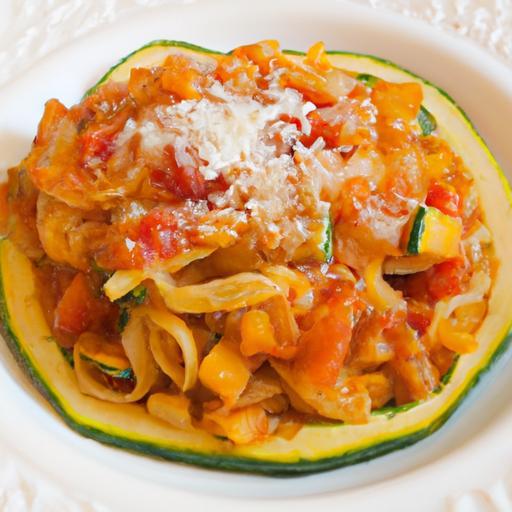
- Toss the warm squash strands with sautéed garlic and tomatoes, fresh basil, and Parmesan cheese if using. Adjust seasoning with additional salt, pepper, or red pepper flakes.
- Serve promptly for the best texture and flavor!
Chef’s Notes: Tips for Success
- Choosing your Squash: Pick a firm, heavy-for-size squash with a firm stem for peak freshness.
- Microwave Shortcut: Poke holes in the squash and microwave for 10 minutes if you’re short on time.Then proceed to shred the flesh.
- Storage Tip: Cooked squash can be refrigerated for 3-4 days in an airtight container-great for meal prep.
- Flavor Variations: Swap garlic for shallots or add a splash of lemon juice to brighten flavors.
- For added protein, toss in grilled chicken or chickpeas for a hearty, balanced dish.
Serving suggestions
This dish shines when garnished with a sprinkle of freshly chopped basil and a drizzle of extra virgin olive oil. Pair with a crisp green salad dressed with lemon vinaigrette for a complete meal. For a warm, rustic dinner, nestle the squash strands into a shallow bowl and top with a handful of toasted pine nuts or crushed walnuts for delightful crunch contrast.
| Nutrient | Per Serving |
|---|---|
| Calories | 42 kcal |
| Protein | 1 g |
| Carbohydrates | 10 g |
| Fat | 1 g |
Unlocking Nutrients: How to Maximize Benefits
Spaghetti squash calories remain low while packing powerful nutrients like vitamin C, fiber, and antioxidants. Enhancing nutrient absorption is simple-pair squash with healthy fats such as olive oil or avocado, which help dissolve fat-soluble vitamins like vitamin A.Additionally, cooking the squash just until tender preserves its delicate vitamin content, so monitor cooking time closely. Including fresh herbs adds phytonutrients and elevates the dish aesthetically and nutritionally.
For more in-depth nutritional insights and light meal inspiration, check out our related Healthy Veggie Substitutes for pasta post. You can also explore authoritative nutritional data at USDA FoodData Central.

Q&A
Q&A: Spaghetti Squash Calories – Light, Tasty, and Nutritious Facts
Q1: What exactly is spaghetti squash?
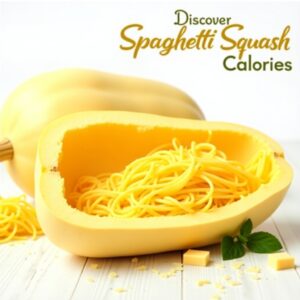
A1: Spaghetti squash is a vibrant, yellow-fleshed winter squash named for its unique flesh that, when cooked, separates into long, spaghetti-like strands. It’s a deliciously light alternative to traditional pasta, prized for its mild flavor and versatility in the kitchen.
Q2: How many calories are in spaghetti squash?
A2: Spaghetti squash is a low-calorie superstar! One cup (about 155 grams) of cooked spaghetti squash contains roughly 42 calories.That means you get a satisfying, hearty serving with only a fraction of the calories found in regular spaghetti noodles.
Q3: Why is spaghetti squash considered nutritious?
A3: Beyond its low-calorie appeal, spaghetti squash packs a nutritious punch.It’s rich in fiber, which supports digestion, and provides crucial vitamins like vitamin C and B6, plus minerals such as manganese and potassium-boosting your overall health with every forkful.
Q4: How can spaghetti squash fit into a weight-conscious diet?
A4: Because it’s low in calories but high in volume and fiber, spaghetti squash helps you feel full and satisfied without overloading on calories. It’s perfect for those watching their weight or anyone looking to eat lighter without sacrificing taste and texture.
Q5: Does spaghetti squash have carbohydrates?
A5: Yes,spaghetti squash contains carbohydrates,but in moderate amounts-about 10 grams per cup of cooked squash. These are complex carbs, which digest slowly and help keep your energy stable. Plus, it’s much lower in carbs than traditional pasta, making it a favorite for low-carb and keto-pleasant diets.
Q6: How do I prepare spaghetti squash to keep it nutritious and tasty?
A6: The key is gentle cooking-bake, microwave, or steam the squash until tender, then scrape out the strands with a fork. Avoid drowning it in heavy sauces to keep the calories in check.Rather, try light olive oil, fresh herbs, garlic, or a sprinkle of Parmesan for flavor that complements but doesn’t overpower this natural gem.
Q7: Can spaghetti squash help me boost my vegetable intake?
A7: Absolutely! Spaghetti squash is a fantastic way to sneak more veggies onto your plate. Its pasta-like texture makes it fun and easy to swap in for carb-heavy dishes, turning meals into colorful, nutrient-rich celebrations of wholesome eating.
Q8: Are there any downsides to spaghetti squash calories?
A8: While spaghetti squash is low in calories and nutritious, it’s not a complete meal on its own. Be sure to pair it with a source of protein and healthy fats to create a balanced, satisfying dish that fuels your body fully.
Q9: What makes spaghetti squash stand out among other vegetables?
A9: Its unique texture and low-calorie content make spaghetti squash a true standout. It’s an excellent vehicle for flavor and nutrition, all while helping you cut calories effortlessly. Who knew a squash could be this light, tasty, and good for you?
spaghetti squash offers a deliciously light and nutritious way to enjoy a pasta-like dish without the calorie overload. embrace this vegetable wonder and let your meals twirl in healthful goodness!
To Wrap it Up
In the world of wholesome eating, spaghetti squash stands out as a shining star-low in calories yet rich in texture and flavor, it offers a delightful alternative to traditional pasta. This vibrant veggie not only satisfies your taste buds but also fuels your body with essential nutrients, making it a smart choice for anyone seeking a light, tasty, and nutritious meal. So next time you crave something comforting without the calorie overload, let spaghetti squash twirl its way onto your plate-proving that healthy can be both delicious and satisfying.