
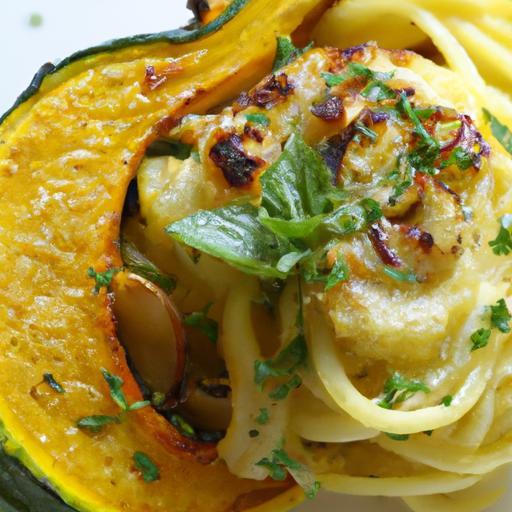
When craving the comforting embrace of pasta but keeping an eye on calories, spaghetti squash emerges as a surprising and delightful hero. This vibrant, golden-hued vegetable transforms effortlessly into strands reminiscent of classic spaghetti, offering a light twist that satisfies both the palate and the waistline. In this article,we’ll unravel the calorie content of spaghetti squash,explore its nutritional benefits,and discover why swapping customary pasta for this natural alternative might just be the fresh,healthy change your meals have been waiting for.
Spaghetti squash calories offer a remarkable opportunity to enjoy the beloved texture of classic pasta with a fraction of the carbohydrates and calories. Originating from North America, spaghetti squash has grown in popularity for its naturally tender strands that effortlessly mimic traditional spaghetti, creating a culinary canvas that is both nutritious and delightfully versatile. Years ago, I discovered this golden vegetable during a midweek dinner scramble, and its ability to transform into a light, satisfying meal instantly won me over – and it can do the same for you.
Prep and Cook time
Preparation: 10 minutes
Cooking: 40 minutes
Total Time: 50 minutes
Yield
Serves 4
Difficulty Level
Easy
Ingredients
- 1 medium spaghetti squash (about 3 lbs),halved lengthwise and seeded
- 1 tbsp olive oil
- 2 cloves garlic,finely minced
- 1 cup cherry tomatoes,halved
- ¼ cup fresh basil leaves,chopped
- ½ tsp red pepper flakes (optional)
- Salt and freshly ground black pepper to taste
- ¼ cup grated Parmesan cheese or vegan alternative
- Juice of ½ lemon
Instructions
- Preheat your oven to 400°F (200°C). Lightly brush the cut sides of the spaghetti squash with olive oil and season with salt and pepper.
- Place the squash halves cut side down on a baking sheet lined with parchment paper. Roast for 35-40 minutes until the flesh is tender and easily shredded with a fork.
- Meanwhile, prepare the sauce: In a skillet over medium heat, warm the remaining olive oil and sauté the garlic until fragrant and golden, about 1 minute.
- Add the cherry tomatoes and red pepper flakes; cook until tomatoes soften and release their juices, about 5 minutes, stirring occasionally.
- Remove from heat and stir in the chopped basil and lemon juice. Season with salt and pepper to taste.
- Once the squash is cool enough to handle, use a fork to scrape the flesh into spaghetti-like strands directly into a large bowl.
- Toss the squash strands with the tomato sauce and Parmesan cheese. Serve warm, garnished with additional basil leaves if desired.
Chef’s Notes: Tips for Success
- Choosing your squash: Look for a firm spaghetti squash with pale yellow skin and no soft spots for the best texture and flavor.
- Microwave shortcut: pierce the squash with a fork several times and microwave it whole for 10 minutes to soften before halving and scraping.
- Roasting alternative: For extra caramelization, roast cut side up but watch closely to avoid over-browning.
- Make it your own: Swap cherry tomatoes for sun-dried tomatoes or add sautéed mushrooms and spinach for added nutrients and depth.
- Storage: Store cooked squash in an airtight container in the fridge for up to 4 days or freeze for longer shelf life.
Serving Suggestions
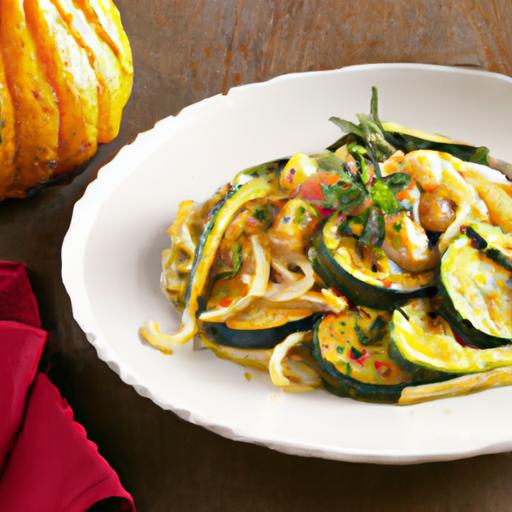
Serve this vibrant dish as a guilt-free main course or a hearty side. A sprinkle of toasted pine nuts adds delightful crunch, while a drizzle of balsamic glaze introduces a touch of sweetness and zing. For an elegant presentation, pair with fresh arugula dressed in lemon vinaigrette and crusty whole-grain bread. The vivid orange strands contrast beautifully against colorful garnishes, making your plate as appealing to the eyes as it is satisfying to the palate.

Spaghetti Squash Calories vs. Traditional Pasta (per 1 cup cooked)
| Type | calories | Protein (g) | Carbs (g) | Fat (g) |
|---|---|---|---|---|
| Spaghetti Squash | 42 | 1 | 10 | 0.3 |
| Traditional Spaghetti (cooked) | 200 | 7 | 42 | 1.2 |
The lower spaghetti squash calories and carbohydrates content make it an excellent choice for anyone looking to lighten up their meals without sacrificing texture or satisfaction. According to USDA nutritional data, this nutrient-dense vegetable also delivers vitamin C, manganese, and dietary fiber, promoting digestion and immune health.
To explore other nutritious alternatives and more ways to create balanced meals, check out our Healthy Pasta Substitutes guide.
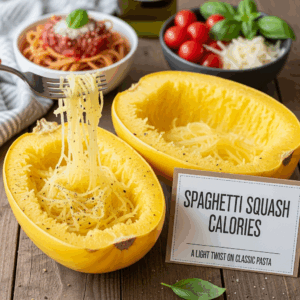
Q&A
Q&A: Spaghetti Squash Calories – A Light Twist on Classic Pasta
Q1: What exactly is spaghetti squash?
A1: Spaghetti squash is a vibrant, oval-shaped winter squash with a pale yellow rind. When cooked, its flesh naturally separates into long, thin strands resembling spaghetti noodles-hence the name! It’s a delightful, nutritious alternative to traditional pasta.
Q2: How many calories are in spaghetti squash?
A2: One cup of cooked spaghetti squash contains roughly 42 calories. Compared to a cup of cooked spaghetti pasta, which clocks in around 200 calories, spaghetti squash is a much lighter option for those watching their calorie intake.
Q3: Why choose spaghetti squash over regular pasta?
A3: Beyond the calorie advantage, spaghetti squash offers a host of benefits: it’s lower in carbs, rich in fiber, packed with vitamins C and A, and contains antioxidants. Plus, it adds a subtle, slightly sweet flavor and unique texture to your meals-making it a flavorful, guilt-free twist on classic pasta dishes.
Q4: How can I prepare spaghetti squash for a pasta substitute?
A4: Simply roast or microwave the squash until tender, then use a fork to scrape out the strands. From there,treat it like you would any noodles-toss with your favorite sauce,sauté with veggies,or layer in a casserole. Its mild flavor pairs beautifully with everything from marinara to creamy Alfredo.
Q5: Does spaghetti squash help with weight management?
A5: Absolutely! Its low calorie and carb content make it a smart choice for those aiming to cut back on calories without sacrificing volume or satisfaction. The high fiber content also promotes a feeling of fullness, helping curb overeating.
Q6: Are there any downsides to eating spaghetti squash?
A6: While it’s a fantastic pasta alternative, spaghetti squash isn’t a perfect substitute for everyone’s palate. Its texture is a bit crunchier and less chewy than traditional noodles, which might take some getting used to. Also, it doesn’t have the same protein content, so pairing it with legumes, lean meats, or cheese can balance the meal nutritionally.
Q7: Can spaghetti squash be incorporated into other recipes besides pasta dishes?
A7: Definitely! Think beyond the plate-use it as a base for stir-fries, mix it into salads, stuff it with savory fillings, or bake it into casseroles. Its versatility makes it an exciting ingredient to experiment with in the kitchen.
Q8: Where can I find the best spaghetti squash?
A8: Look for firm, heavy squashes with a luminous, blemish-free skin. Spaghetti squash is generally in season from late summer through early fall, but many grocery stores carry it year-round.Choose one that feels dense for its size-that’s a sign of freshness and quality.
Q9: Is spaghetti squash suitable for special diets?
A9: Yes! It’s naturally gluten-free, low-carb, vegetarian, vegan, and paleo-friendly. Just be mindful of the sauces and toppings you pair it with to keep it aligned with your dietary needs.
Q10: How can I make spaghetti squash taste even better?
A10: Season it well post-cooking with herbs like basil or oregano, a dash of garlic, a sprinkle of parmesan, or a drizzle of olive oil. Roasting enhances its sweetness and depth of flavor, so don’t skip that step. The key is to embrace its unique taste and let it shine as the star of your meal.
To Wrap It up
In the grand culinary journey from vine to table, spaghetti squash emerges as a delightful detour-offering all the familiar comfort of classic pasta but with a lighter, more vibrant twist.With its naturally low calorie count and versatile flavor, this humble squash invites you to savor every bite guilt-free, transforming your meals into nourishing celebrations. So next time you crave that twirl of noodles, consider spaghetti squash your secret ingredient for a healthful, flavorful adventure-where indulgence meets mindful eating in perfect harmony.