
When it comes to vibrant, versatile vegetables, spaghetti squash is stealing the spotlight-and for good reason. This golden-hued gourd, famed for its stringy, noodle-like flesh, has become a favorite among health enthusiasts and culinary adventurers alike. but beyond its unique texture and subtle flavor lies a question that intrigues many: just how many calories does spaghetti squash pack? In this article, we’ll peel back the layers to unveil the calorie content of spaghetti squash, shedding light on why it’s not only a tasty substitute for customary pasta but also a smart choice for those mindful of their diet. Get ready to discover the tasty secrets hidden within this remarkable squash.
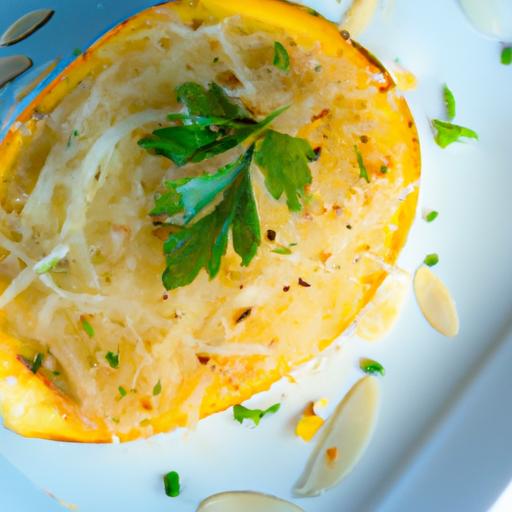
Spaghetti squash secrets truly reveal why this vibrant vegetable has captured the hearts of health enthusiasts and culinary creatives alike. Its unique texture-stringy, tender strands resembling pasta-makes it a perfect low-calorie substitute in countless dishes. Originating from the Americas, this squash bursts with mild, slightly sweet flavor and a nutritional profile that supports weight management effortlessly.
Prep and Cook time
Preparation: 10 minutes
Cook Time: 40 minutes
Total Time: 50 minutes
Yield
Serves 4
Difficulty Level
Easy
ingredients
- 1 medium spaghetti squash (about 3 pounds)
- 2 tablespoons extra virgin olive oil
- 2 cloves garlic, minced
- 1 cup cherry tomatoes, halved
- 1/4 cup grated Parmesan cheese
- 1/4 teaspoon red pepper flakes (optional)
- Salt and freshly ground black pepper, to taste
- Fresh basil leaves for garnish
Instructions
- Preheat your oven to 400°F (200°C). Using a sharp knife, carefully halve the spaghetti squash lengthwise. Scoop out the seeds with a spoon.
- Drizzle olive oil evenly inside both halves, then season liberally with salt and pepper. Place the squash halves cut side down on a parchment-lined baking sheet.
- Roast for 35-40 minutes, until the flesh is tender and easily pierced with a fork.
- Remove from the oven and let cool for 5 minutes. Using a fork, scrape along the flesh to create those signature spaghetti-like strands. Transfer the strands to a large skillet.
- Heat 1 tablespoon of olive oil in the skillet over medium heat. Add minced garlic and sauté until fragrant, about 1 minute.
- Add cherry tomatoes and cook until they start to blister and release their juices, about 3-4 minutes, stirring occasionally.
- Toss in the spaghetti squash strands along with red pepper flakes if using. Cook for 2-3 minutes, stirring gently to combine flavors, ensuring not to mash the squash.
- Remove from heat and sprinkle Parmesan cheese on top. Stir to melt slightly and infuse creaminess.
- Serve promptly, garnished with fresh basil leaves for a fragrant,colorful finish.
Chef’s Notes
- Flavor variations: Add sautéed mushrooms or spinach for an earthier twist.
- Protein boost: Mix in grilled chicken or cannellini beans for a more filling meal.
- Make-ahead tip: Roast the spaghetti squash in advance and store the strands in an airtight container for up to 3 days.
- Texture secret: Avoid overcooking the strands in the skillet as they can become mushy-keep the stir time brief and gentle.
Serving Suggestions
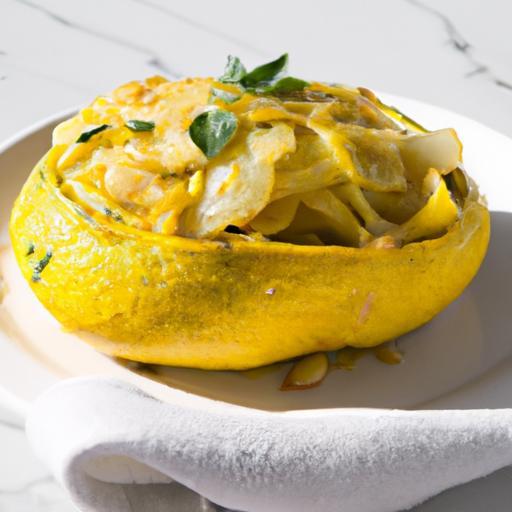
This dish shines as a standalone light dinner or as a vibrant side. for an Instagram-worthy presentation, mound the spaghetti squash pasta high on a white plate, drizzle with a touch of extra virgin olive oil, and scatter shining red cherry tomatoes and emerald basil leaves on top. Complement with a crisp side salad dressed in lemon vinaigrette or a glass of chilled white wine.
| Nutrient | Per Serving |
|---|---|
| Calories | 110 kcal |
| Protein | 3 g |
| Carbohydrates | 22 g |
| Fat | 4.5 g |
With its low calorie content and natural sweetness, spaghetti squash secrets provide a delicious and nutrient-rich way to maintain your weight management goals without sacrificing taste or satisfaction.
For more creative low-calorie meal ideas featuring vegetables, check out our Healthy Vegetable Recipes collection. For scientific insight into the benefits of fiber-rich foods like spaghetti squash, see the Harvard School of Public Health’s Guide on Fiber.

Q&A
Q&A: Spaghetti Squash Secrets – Discover Its Calorie Content Unveiled
Q1: What makes spaghetti squash different from regular squash?
A1: Unlike its creamy, dense cousins, spaghetti squash is a vibrant, oblong veggie that magically transforms into noodle-like strands when cooked. Its unique texture makes it a fun, low-carb alternative to pasta, perfect for those craving a healthy twist.
Q2: How many calories are in spaghetti squash?
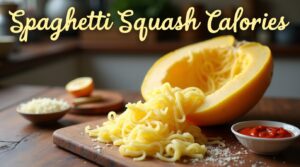
A2: here’s the tasty truth-one cup of cooked spaghetti squash contains approximately 42 calories. That’s barely a blip on your daily calorie radar, making it an ideal choice for anyone looking to enjoy a light, guilt-free meal.
Q3: Why is spaghetti squash considered a “low-calorie miracle”?
A3: Because it’s packed with water and fiber, spaghetti squash fills you up without packing the pounds. Its low-calorie count combined with micronutrients like vitamin C, potassium, and antioxidants adds a nutritional punch that keeps both hunger and calories in check.
Q4: Can spaghetti squash be used as a substitute for pasta in all dishes?
A4: Absolutely! Its stringy texture makes it a versatile star in dishes from hearty bolognese to creamy alfredo. while it doesn’t mimic pasta’s chewiness precisely, it absorbs sauces beautifully and brings a delightful crunch that freshens up any recipe.
Q5: Does cooking spaghetti squash effect its calorie content?
A5: The squash itself remains low-calorie whether roasted, boiled, or microwaved. However, be mindful of what you add-rich sauces, oils, and cheeses can quickly turn this humble veggie into a calorie powerhouse.
Q6: Are there any hidden health benefits beyond calories?
A6: Definitely! Spaghetti squash boasts antioxidants, anti-inflammatory compounds, and plenty of fiber, aiding digestion and supporting heart health. Plus, its low glycemic index helps maintain steady blood sugar levels-a treat for those mindful of energy spikes.
Q7: How can I prepare spaghetti squash to maximize flavor without adding too many calories?
A7: Keep it simple and sensational. Roast it with a sprinkle of sea salt, fresh herbs, and a drizzle of lemon juice or garlic-infused olive oil. This way, you enhance its natural sweetness and texture without piling on extra calories.
Q8: What’s the best way to store spaghetti squash to keep it fresh?
A8: Whole spaghetti squash can last up to a month in a cool, dry place-think of it as a pantry treasure. Once cooked, store it in an airtight container in the fridge for up to 5 days, ready to twirl into your next nutritious meal.
Q9: Who should consider adding spaghetti squash to their diet?
A9: From calorie counters and carb-conscious eaters to vegetarians, vegans, and anyone seeking a nutrient-rich diet, spaghetti squash is a versatile ally. It suits those wanting to slim down without sacrificing flavor or variety.
Q10: Is spaghetti squash the ultimate veggie “superstar” calorie-wise?
A10: While many veggies are low in calories, spaghetti squash stands out for its unique texture and culinary versatility. It’s not just a side dish-it’s a flavorful, filling centerpiece that unlocks a world of light and healthy eating possibilities.Unlock these secrets, and the humble spaghetti squash might just become your kitchen’s new star player!
In Conclusion
As we’ve unraveled the calorie secrets nestled within the golden strands of spaghetti squash, it’s clear this humble vegetable is far more than just a low-calorie substitute-it’s a versatile, nutrient-packed superstar in its own right. Whether you’re counting calories, seeking a creative twist on your favorite pasta dishes, or simply aiming to add more colour and crunch to your plate, spaghetti squash delivers a delightful blend of flavor and nourishment. so next time you’re wandering the produce aisle, remember that behind its tough exterior lies a world of culinary possibilities and a calorie count that supports your wellness goals. Embrace the squash, savor the secrets, and let your meals twirl with both taste and mindful nutrition.