
There’s a quiet magic in a bowl of chawanmushi-the delicate, savory custard that captures the essence of Japanese comfort in every silky spoonful. This age-old dish, with its whisper-soft texture and subtle umami notes, invites both the palate and the spirit to slow down and savor the moment.Mastering chawanmushi is like unlocking a culinary secret passed down thru generations, where simplicity meets finesse, and humble ingredients transform into an elegant delight. In this article, we’ll guide you through the art of crafting the perfect silky chawanmushi, blending traditional techniques with modern tips to help you bring a taste of Japan’s refined home cooking to your own kitchen.
The silky Chawanmushi recipe is an exquisite journey into the heart of Japanese cuisine, where texture reigns supreme and delicate flavors entwine in every spoonful. This savory egg custard is cherished for its velvety smoothness, a hallmark achieved through precise technique and carefully selected ingredients.Whether you’ve encountered it at a traditional kaiseki meal or a cozy home kitchen, mastering this dish means unlocking a world of subtle umami and graceful elegance on your plate.
Prep and Cook Time
- Planning: 15 minutes
- Cooking: 25 minutes
- Total Time: 40 minutes
Yield
Serves 4 small portions
Difficulty Level
Medium – perfect for adventurous home cooks eager to refine thier technique.
Ingredients
- 4 large eggs, gently beaten
- 2 cups dashi stock (preferably homemade kombu & bonito broth)
- 1 tablespoon soy sauce (light soy sauce for authentic flavor)
- 1 teaspoon mirin
- 1/4 teaspoon salt
- 4 small shiitake mushrooms, thinly sliced
- 8 ginkgo nuts (optional, lightly boiled and peeled)
- 4 small cooked shrimp, peeled and deveined
- Chopped mitsuba or fresh parsley for garnish
Instructions
- Prepare the dashi stock: If you haven’t made dashi before, soak a 10cm piece of kombu in 2 cups of water for 30 minutes, then heat until almost boiling.Remove kombu, add a handful of bonito flakes, steep 5 minutes, strain. This deeply flavors your custard.
- Mix the custard base: In a large bowl, gently combine eggs without incorporating air bubbles. Sift the eggs if you prefer an extra smooth texture. Gradually whisk in the cooled dashi, soy sauce, mirin, and salt. Strain the mixture through a fine sieve into a clean bowl to ensure silkiness.
- prepare your serving cups: Divide the sliced shiitake, ginkgo nuts, and shrimp evenly among four small heatproof cups or ramekins.
- Pour the custard gently: Carefully ladle the egg mixture over the fillings in each cup, about 80% full to allow for even cooking.
- Steam the custard: Cover each cup with aluminum foil or a lid to prevent condensation from dripping onto the surface. place in a steamer or a pot with a steaming rack. Steam over low heat (around 80°C/176°F) for 20-25 minutes. Avoid boiling water and high heat, which cause bubbles or curdling.
- Test for doneness: The custard should jiggle slightly but hold firm. Insert a clean toothpick or skewer; if clear liquid seeps out, steam a few more minutes.
- Garnish and serve: Remove foil carefully to avoid cooling the custard. Garnish with freshly chopped mitsuba or parsley for a vibrant touch.Serve warm.
Tips for Success
- Use the freshest eggs possible for the richest texture and flavor.
- Sift your egg mixture twice if you want to achieve the ultimate velvety consistency.
- Maintaining a low steaming temperature is crucial-consider using a thermometer to avoid overheating.
- For a gluten-free option, substitute light tamari in place of soy sauce without altering flavor depth.
- Make ahead: The custard can be prepared and steamed earlier, then gently reheated in a steamer for 5 minutes before serving.
- Experiment with fillings like diced chicken, mitsuba leaves, or snap peas to add personalized flair.
Serving Suggestions
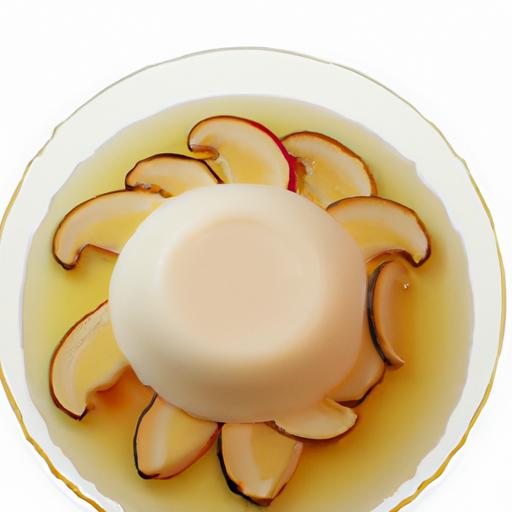
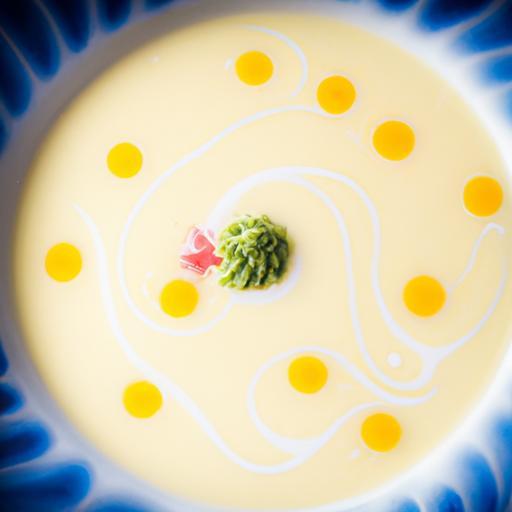
Present this stunning custard in traditional Japanese ceramic bowls or elegant glass cups to showcase its translucent silkiness. Accompany with a small side of pickled ginger or a light dipping soy sauce to heighten the umami experience. A sprinkle of finely grated yuzu zest or a few thin slices of fresh shiitake on top can offer subtle aromatic intrigue, elevating the dish as a stunning appetizer or delicate main course.

| Nutrient | Per Serving |
|---|---|
| Calories | 120 kcal |
| Protein | 10 g |
| Carbohydrates | 3 g |
| Fat | 7 g |
Ready to explore more Japanese cooking techniques? Check out our guide on how to make perfect dashi stock for the base of many classic preparations. For an in-depth insight into the history and health benefits of this dish, visit the authoritative japan Guide.
Q&A
Q&A: silky Chawanmushi Recipe – Mastering Japan’s Savory Custard
Q1: What exactly is Chawanmushi?
A1: Chawanmushi, which translates to “steamed in a tea cup,” is a classic Japanese savory custard. Unlike sweet Western custards, it’s a delicate blend of eggs, dashi broth, soy sauce, and mirin, steamed gently to create a smooth, silky texture that melts in your mouth. Often, it’s studded with ingredients like shrimp, mushrooms, or ginkgo nuts, making each spoonful a delightful surprise.
Q2: Why is achieving the perfect silky texture so crucial?
A2: Texture is the soul of Chawanmushi. The goal is a custard so tender it almost quivers, like a soft jelly, without being rubbery or grainy. This pristine silkiness showcases the harmony of flavors and exemplifies the chef’s skill. If steamed too long or at too high a temperature, the eggs toughen – losing that melt-in-your-mouth magic.
Q3: What are the key ingredients to master this dish?
A3: Simplicity is key.high-quality eggs and a well-balanced dashi stock make the foundation. Use fresh ingredients-like shiitake mushrooms or fresh shrimp-to add depth and texture. Soy sauce, mirin, and a pinch of salt round out the savory profile. The ratio of egg to broth (generally 1:2) is crucial for the custard’s delicate consistency.
Q4: Is there a secret to steaming Chawanmushi perfectly?
A4: absolutely! Steaming low and slow is your mantra. Use a gentle simmer, and cover your cups with lids or foil to prevent water droplets from spoiling the surface. Some chefs even place a kitchen towel inside the steaming basket to soak up excess moisture. Patience is key-rushing the process leads to curdled eggs rather than creamy custard.
Q5: Can I customize chawanmushi?
A5: Certainly! While the classic version features chicken, shrimp, and shiitake, home cooks can experiment with ingredients like crab meat, spinach, or even chicken liver for bold flavors. Vegetarians can swap dashi for kombu stock and add tofu or seasonal vegetables. Just remember to keep the balance light so the custard’s silkiness shines through.
Q6: How is Chawanmushi traditionally served?
A6: Typically, it’s served warm in small porcelain cups, garnished with a sprig of mitsuba or a few thinly sliced yuzu zest strips for fragrance. it’s a comforting appetizer or side dish, enjoyed during kaiseki meals or family dinners, embodying Japanese culinary elegance in a humble cup.
Q7: What makes Chawanmushi a must-try dish for Japanese cuisine lovers?
A7: Chawanmushi is a beautiful expression of Japanese cooking philosophy-simple ingredients treated with respect and precision, evoking a meditative calm with every bite. mastering this dish unlocks a delicate world of umami and texture that’s truly unmatched, turning humble ingredients into an artful experience.
With this Q&A, you’ll unravel the mysteries behind the silky smooth charm of Chawanmushi and gain the confidence to craft this timeless savory custard in your own kitchen. Ready your steamer, and let’s master Japan’s delicate treasure!
The Way forward
As you’ve discovered, mastering the art of silky chawanmushi is more than just following a recipe-it’s about embracing a delicate balance of flavors and textures that embody the subtle elegance of japanese cuisine. With each smooth, savory spoonful, this humble custard invites you into a world where simplicity meets refinement. So, gather your favorite ingredients, trust the gentle steam, and let your kitchen become a haven for this timeless dish.