
Beneath the shimmering surface of the world’s oceans lies a vibrant, verdant treasure frequently enough overlooked-seaweed. More than just a garnish or a sushi companion, seaweed is a nutritional titan, packed with a kaleidoscope of vitamins, minerals, adn antioxidants that have been cherished by coastal cultures for centuries. In “Seaweed Salad Secrets: Unlocking Nature’s Nutrient Powerhouse,” we dive deep into the fascinating world of this marine marvel, uncovering the science behind its health benefits and revealing simple ways to incorporate its oceanic goodness into your everyday diet. Prepare to embark on a journey where nature’s bounty meets culinary creativity, unlocking the secrets of seaweed’s unmatched nutritional prowess.
Understanding the Nutritional Goldmine Hidden in Seaweed
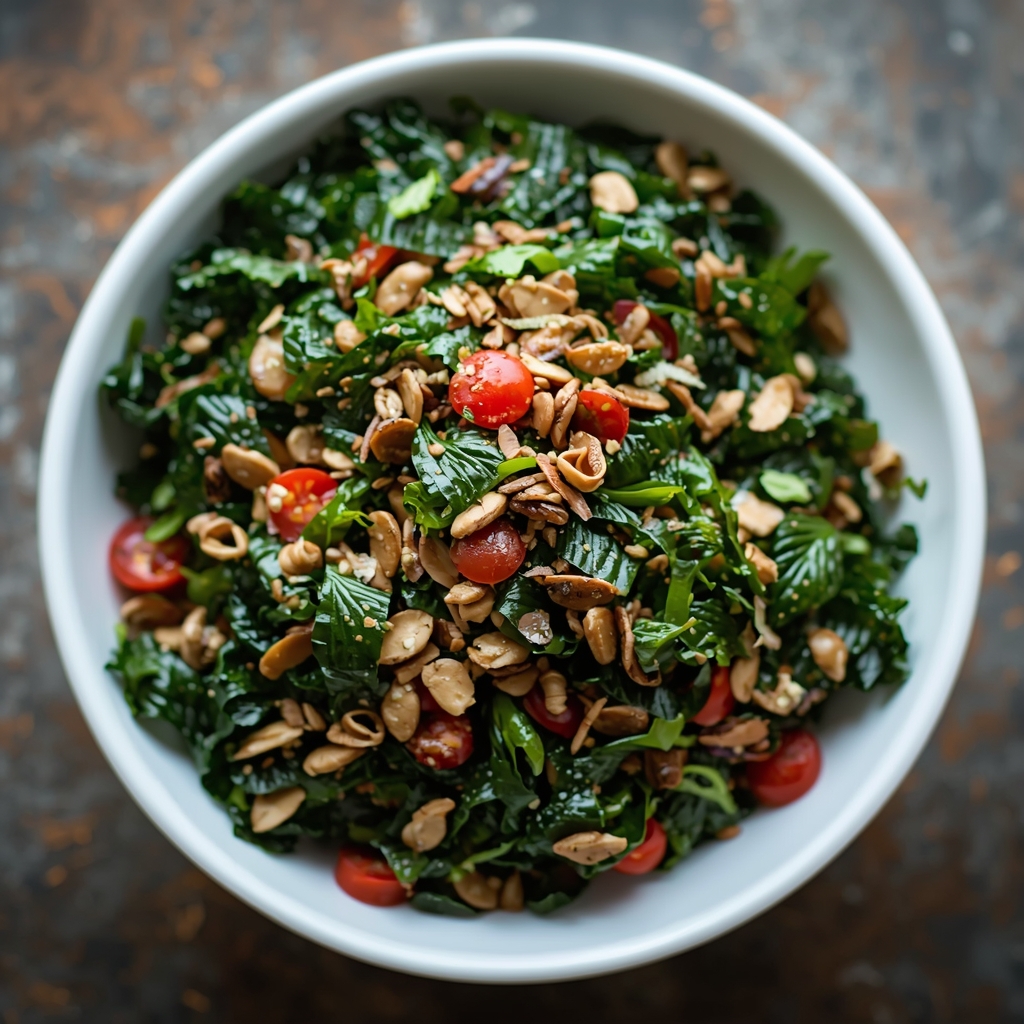
Seaweed salad secrets unfold a vibrant, nutrient-rich ingredient that has graced coastal cuisines for centuries. This versatile sea vegetable is packed with iodine, antioxidants, vitamins A, C, E, and K, and also essential minerals like calcium and iron-making it a true superfood that supports thyroid health, boosts immunity, and enhances skin vitality. Originating from Japanese and Korean culinary traditions, seaweed salad has evolved into a beloved wellness staple in global kitchens. Its unique umami flavor, combined with a pleasing crunch, invites endless creativity in the kitchen. Let’s dive into mastering this hidden gem, transforming raw seaweed into an irresistible dish that fuels your body and elevates your palate.
Prep and Cook Time
- Planning: 15 minutes
- Cooking: 0 minutes (no cooking required)
- Total Time: 15 minutes
Yield
Serves 4 as a refreshing side dish or light lunch.
Difficulty Level
Easy – Perfect for beginners and seasoned cooks alike
ingredients
- 1 cup dried wakame seaweed, soaked and drained
- 2 tablespoons rice vinegar (unseasoned)
- 1 tablespoon soy sauce (or tamari for gluten-free)
- 1 teaspoon toasted sesame oil
- 1 teaspoon honey or agave syrup
- 2 green onions, thinly sliced
- 1 teaspoon grated fresh ginger
- 1 tablespoon toasted sesame seeds
- Optional: thinly sliced cucumber or shredded carrot for added crunch
Instructions
- Rehydrate the seaweed: place the dried wakame in a large bowl and cover with cold water. Let it soak for about 10 minutes until it expands and softens.
- Drain and squeeze: Drain the soaking water thoroughly and gently squeeze out excess moisture. Chop any large pieces into bite-sized portions for easier eating.
- Prepare the dressing: In a small bowl, whisk together the rice vinegar, soy sauce, toasted sesame oil, honey, and grated ginger until well combined.
- Toss the salad: In a mixing bowl, combine the seaweed with sliced green onions and any optional vegetables like cucumber or carrot. Pour the dressing over and toss gently to coat evenly.
- Add finishing touches: Sprinkle the toasted sesame seeds on top for crunch and visual appeal.
- Chill (optional): For best flavor, refrigerate the salad for 15-20 minutes to allow the dressing to meld with the seaweed’s natural umami.
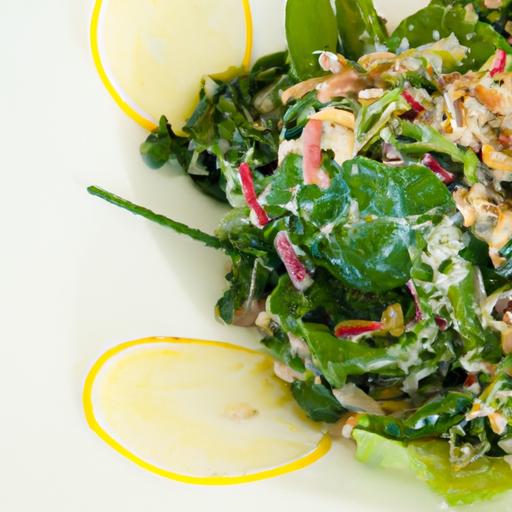
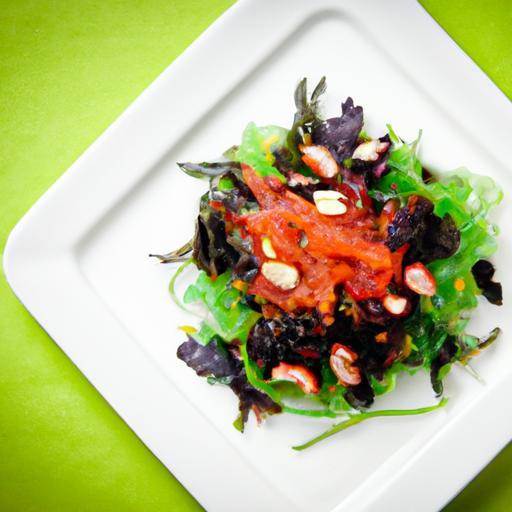
- Serve and enjoy: Present your vibrant seaweed salad in a shallow bowl or on a bed of mixed greens for a stunning health-boosting dish.
Tips for Success
- Use high-quality dried wakame from a trusted source to ensure freshness and optimal texture.
- Adjust soy sauce and honey ratios according to your taste preference-balance umami and sweetness for a perfect harmony.
- If fresh ginger isn’t available, substitute with a pinch of ginger powder, but fresh provides a brighter flavor.
- For a vegan version, replace honey with maple syrup or agave nectar.
- Make ahead tip: Prepare the salad dressing and seaweed separately, then combine just before serving to keep the salad crisp.
- Experiment with other seaweed varieties like arame or hijiki for different textures and nutritional profiles.
Serving suggestions
This nutrient-dense salad shines as a side for grilled fish, tofu, or sushi platters. Garnish with extra sesame seeds or a delicate drizzle of chili oil for a spicy kick. Pair it alongside steamed rice or as a refreshing topper for poke bowls and bentos. For an added dimension,serve over avocado slices or alongside crisp radish slices-creating a colorful,textural feast for both the eyes and palate.
| Nutrient | Per Serving |
|---|---|
| Calories | 45 kcal |
| Protein | 3 g |
| Carbohydrates | 7 g |
| Fat | 2 g |

Discover more healthy recipes like this in our Healthy Vegetarian Meals collection. For further reading on the science behind seaweed’s benefits, visit NIH’s national Center for Complementary and Integrative Health.
Q&A
Q&A: Seaweed Salad Secrets – Unlocking Nature’s Nutrient Powerhouse
Q1: What makes seaweed salad such a nutritional superstar?
A1: Seaweed salad is a vibrant blend of oceanic goodness,packed with vitamins,minerals,and antioxidants. It’s rich in iodine, essential for thyroid health, as well as calcium, iron, and magnesium, making it a natural multivitamin from the sea.Plus, it contains unique fibers and polysaccharides that support gut health and boost immunity.
Q2: How does seaweed contribute to sustainable eating?
A2: Seaweed grows quickly without the need for fresh water, fertilizers, or pesticides, making it one of the planet’s most eco-pleasant crops. Harvesting seaweed supports marine ecosystems by absorbing carbon dioxide and providing habitats for underwater wildlife. Eating seaweed salad is not just nutritious-it’s a tasty step toward sustainable dining.
Q3: Are all seaweeds created equal?
A3: Not quite! Seaweeds come in three main types-green,red,and brown-each offering distinct flavors and nutrient profiles. Such as, wakame (a brown seaweed) is tender with a mild taste, perfect for salads, while nori (red seaweed) brings a subtle umami kick. Exploring different varieties lets you customize both nutrition and flavor.
Q4: What’s the secret to making the perfect seaweed salad at home?
A4: Start by soaking dried seaweed in cool water until it’s plump and tender, then drain well. Mix with a dressing of rice vinegar, sesame oil, soy sauce, and a pinch of sugar or honey for balance. Sprinkle toasted sesame seeds and a touch of chili flakes for extra zing. Fresh ginger or a squeeze of citrus can elevate the oceanic flavors beautifully.
Q5: Can seaweed salad help with weight management?
A5: Absolutely! seaweed is low in calories but high in fiber, which promotes fullness and aids digestion. Its unique compounds may also help regulate blood sugar and reduce fat absorption. Including seaweed salad in your meals can be a tasty, guilt-free way to support your weight goals.
Q6: Are there any risks or considerations when eating seaweed salad?
A6: While seaweed is nutrient-rich, it’s critically important to consume it in moderation due to its high iodine content, which can affect thyroid function if overconsumed. Also, sourcing from clean waters is crucial to avoid contaminants. if you have thyroid conditions or are pregnant, consulting a healthcare provider before making seaweed a regular habit is wise.
Q7: How can seaweed salad inspire new culinary adventures?
A7: Seaweed salad’s bold flavors and textures open doors to creative dishes-from sushi rolls and poke bowls to crispy seaweed chips and refreshing summer soups.Pair it with fresh veggies, crunchy nuts, or silky tofu to explore the ocean’s pantry in your kitchen. It’s a gateway to vibrant, health-packed meals bursting with umami magic.
Unlock the sea’s secret treasure chest with seaweed salad-nature’s nutrient powerhouse that’s as delicious as it is good for you!
The Way Forward
As we peel back the layers of seaweed salad’s humble greens, it becomes clear that this oceanic treasure is far more than a simple side dish. Brimming with a symphony of nutrients, seaweed offers a vibrant testament to nature’s ability to nourish and heal.Whether you’re seeking a mineral-rich boost, a splash of umami, or a sustainable superfood to elevate your meals, unlocking the secrets of seaweed salad opens a gateway to wellness from the depths of the sea. So next time you savor those tangled strands, remember: you’re not just enjoying a salad-you’re tasting the salty, life-giving power of the ocean itself.