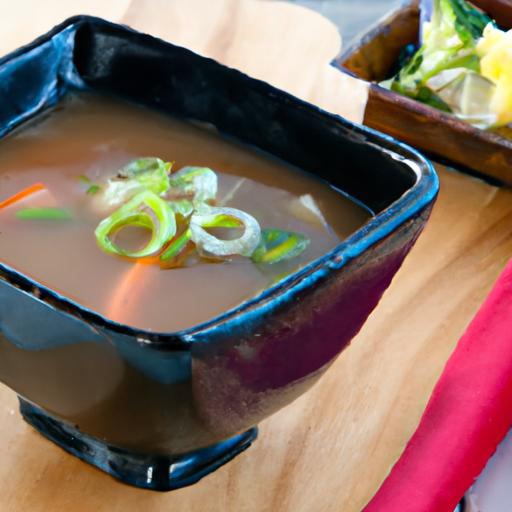

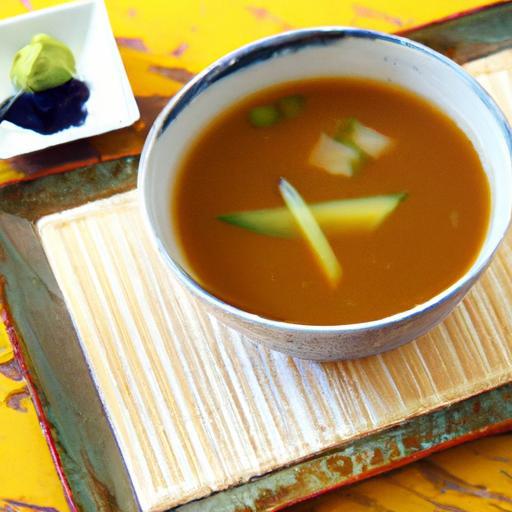
In a humble bowl of warm, amber-hued broth lies a timeless secret-miso soup, a staple of Japanese cuisine, is much more than a comforting appetizer.Beyond its delicate umami flavor and soothing warmth, miso soup is an extraordinary nutritional powerhouse, packed with health benefits that have supported wellness for centuries. From the rich probiotics nurtured in its fermentation to the essential vitamins and minerals hiding within its simple ingredients, miso soup invites us to explore a world where ancient tradition meets modern nutrition. Join us as we unveil the science, story, and surprising superpowers of this elegant soup, revealing why it deserves a place not just on your table but at the heart of a balanced diet.
the Ancient Origins and Cultural Significance of Miso Soup
Miso soup unveiled is not just a simple broth-it’s a time-honored emblem of Japanese culinary heritage. originating over 1,300 years ago during the Nara period, this soul-soothing dish was originally reserved for nobility before becoming a staple for households across Japan. Traditionally consumed daily, miso soup reflects the essential Japanese principle of umami-a savory depth that resonates with balance and nourishment. Beyond its taste, it embodies the harmony between nature’s bounty and human craftsmanship, made from fermented soybeans, seaweed, and seasonal ingredients that vary by region and family tradition.
The ritual of serving miso soup alongside rice and pickles not only enhances the meal’s flavors but also symbolizes the interconnectedness of ingredients and health. serving miso soup is an intimate,almost meditative practice-a gentle reminder of food’s power to nurture body and soul alike.
Decoding the Nutritional Profile That makes Miso Soup a Superfood
When exploring miso soup unveiled, its nutritional richness quickly comes to light.A natural probiotic powerhouse, this soup boasts essential nutrients like vitamins B2 and K, manganese, zinc, and antioxidants.Miso itself is a fermented superfood, meaning it supports digestion and nutrient absorption by enriching the gut microbiome. Remarkably low in calories yet packed with protein from fermented soy, miso soup is both satisfying and nourishing. Seaweed adds iodine, vital for thyroid health, while tofu-frequently added-supplies even more plant-based protein and calcium.
| Nutrient | Amount (per cup) | Health Benefit |
|---|---|---|
| Calories | 40 kcal | Low-calorie comfort food |
| Protein | 3g | Supports muscle recovery |
| Carbohydrates | 4g | Gentle energy release |
| Fat | 1.5g | Healthy fats from fermentation |
| Probiotics | Varies | Promotes gut health |
How Miso Soup Supports Gut Health and Boosts Immunity
The true magic in miso soup unveiled lies in its ability to nurture gut flora. Fermentation transforms soybeans into a living superfood rich in probiotics-beneficial bacteria that enhance digestive function and strengthen your immune defenses. Daily consumption may aid in reducing inflammation, improving nutrient absorption, and balancing intestinal health.
Moreover, bioactive compounds created during fermentation boost antioxidant defenses, protecting cells from oxidative stress. The seaweed component, often wakame, contains fucoidan, a compound studied for immune-enhancing and anti-inflammatory properties. Combined, these ingredients create a synergistic effect that makes miso soup a bowl of both comfort and resilience.
Creative Ways to Elevate Your Miso Soup Experience at Home
Transform your daily miso soup unveiled routine into an exciting culinary adventure with these creative twists. Start by experimenting with different types of miso-white (shiromiso) for a smooth, mild sweetness; red (akamiso) for a more robust, earthy depth; or mixed miso for complexity. Incorporate fresh seasonal vegetables like shiitake mushrooms, julienned carrots, or daikon radish for vibrant textures.
Try swirling in aromatic additions like freshly chopped scallions, toasted sesame seeds, or a splash of yuzu juice for a citrusy zing. Upgrade your protein by adding silken tofu cubes or even perfectly cooked soft-boiled eggs. For a contemporary touch, lightly sautéed greens such as spinach or kale can add color and nutrients without overpowering the delicate broth.
For a creative presentation,serve your miso soup unveiled in rustic ceramic bowls,garnished with tiny strips of nori or a pinch of shichimi togarashi for a hint of heat and visual contrast. The warmth of the bowl in your hands paired with the subtle aroma of fermented goodness creates a deeply satisfying sensory experience.
Prep and Cook Time
- Planning: 10 minutes
- Cooking: 15 minutes
- Total: 25 minutes
Yield
Serves 4
Difficulty Level
Easy
Ingredients
- 4 cups water or homemade dashi stock (kombu and bonito flakes recommended)
- 3 tablespoons white miso paste (shiromiso), adjusted to taste
- 1/2 cup silken tofu, cut into small cubes
- 1/4 cup dried wakame seaweed, soaked and drained
- 2 scallions, thinly sliced
- 1 teaspoon soy sauce, optional
- 1 teaspoon fresh grated ginger, optional for extra warmth
Instructions
- Prepare the broth: Gently warm the water or dashi stock in a medium saucepan over medium heat until just before boiling. Avoid a rolling boil to preserve delicate flavors.
- Soak wakame: While the broth heats,soak wakame in cold water for 5 minutes,then drain and set aside.
- Dissolve miso: place miso paste in a small bowl, ladle a few tablespoons of hot broth into the bowl, and whisk until smooth. this prevents lumps and preserves beneficial enzymes.
- Combine ingredients: Reduce heat to low, stir the miso mixture slowly back into the broth, followed by tofu cubes and wakame. Warm gently for 2-3 minutes without boiling.
- Add final touches: Stir in sliced scallions, soy sauce, and grated ginger if using. Taste and adjust seasoning as needed.
- Serve instantly: Ladle soup into bowls and garnish with additional scallions or toasted sesame seeds for an inviting finish.
Chef’s Notes and Tips for Success
- For a deeper umami flavor, try incorporating shiitake mushroom broth or dried bonito flakes into your dashi stock-it adds complexity without overpowering the gentle miso base.
- Always add miso paste off the heat to avoid destroying live probiotics.
- Substitute silken tofu with firm tofu for more bite or try tempeh cubes for a nuttier protein punch.
- miso soup unveiled can be made ahead by preparing broth and toppings separately; add miso paste just before serving to retain freshness.
- adjust the saltiness by selecting low-sodium miso options or cutting back on soy sauce.
- For a vegan twist, replace bonito dashi with kombu and shiitake mushroom broth.
Serving Suggestions
This miso soup is perfect as a starter for any Japanese-inspired meal or a light meal on its own. Serve alongside steamed jasmine rice and pickled vegetables for a complete nourishing experience.For extra comfort, add a side of crispy tempura or freshly grilled fish. Garnish with fresh herbs like mitsuba or shiso leaves when available, or finish with a small drizzle of toasted sesame oil for depth and aroma. Pair with a cup of green tea or cold sake to heighten the sensory delight.

Explore more culinary treasures with our guide to fermented foods, and deepen your understanding of probiotic-rich diets on Healthline’s fermentation article.

Q&A
Q&A: Miso Soup Unveiled – A Nutritional Powerhouse in a Bowl
Q1: What exactly is miso soup?
A1: At its heart, miso soup is a humble Japanese broth crafted from fermented soybean paste called miso, combined with dashi-a savory stock made from seaweed and fish. This simple concoction is much more than a starter; it’s a warm, umami-rich invitation to nourish both body and soul.
Q2: Why is miso soup considered a nutritional powerhouse?
A2: Miso soup packs a punch of nutrients despite its delicate taste. Miso paste is loaded with vitamins B, E, and K, beneficial minerals like zinc and manganese, and a bounty of probiotics that support gut health. Toss in seaweed and tofu, and you get iodine for thyroid health and plant-based protein-a truly balanced bowl!
Q3: How does fermentation enhance the nutritional profile of miso?
A3: Fermentation is magic in a jar. It breaks down complex proteins and sugars into easily digestible forms, while supercharging miso with probiotics-friendly bacteria that cultivate a healthy digestive system and boost immunity. This process also preserves vitamins and amplifies miso’s rich flavor.
Q4: Can miso soup be part of a weight management plan?
A4: Absolutely! Miso soup is low in calories but high in flavor, which means it can satisfy hunger without excess calorie intake. The protein and fiber from tofu and seaweed help keep you full,plus the probiotics promote a balanced metabolism. It’s comfort food that supports your health goals.
Q5: How does miso soup benefit the gut microbiome?
A5: Thanks to the fermentation, miso contains live probiotics-think of them as microscopic gardeners tending your gut’s ecosystem. These helpful microbes aid digestion, reduce inflammation, and promote a healthy balance of bacteria, which can improve everything from mood to immune response.
Q6: Is miso soup suitable for people with dietary restrictions?
A6: Miso soup is wonderfully adaptable. It’s naturally gluten-free if you choose gluten-free miso varieties, dairy-free, and vegan-friendly when made without fish-based dashi. You can customize it to suit sodium sensitivities by moderating the miso quantity or opting for low-sodium versions.
Q7: What’s the best way to enjoy miso soup to maximize its nutritional benefits?
A7: Keep it simple and don’t boil the miso too long-excess heat can kill probiotics and reduce nutrient content. Add tofu, seaweed, and scallions for extra vitamins and minerals. Sip it warm alongside your meal, or enjoy it as a light snack-its combination of flavors and nourishment makes it a daily delight.
Q8: Can incorporating miso soup into my diet improve overall health?
A8: While miso soup isn’t a magical cure-all, its combination of fermented soy, seaweed, and wholesome ingredients supports digestion, immunity, and nutrient intake. As part of a balanced diet, it’s a tasty ally on your journey to wellness, providing a flavorful bridge between tradition and health.
Q9: Are there different types of miso, and do they affect the soup’s nutritional value?
A9: Yes! White (shiro), yellow (shinshu), and red (aka) miso each have unique fermentation times and flavor profiles. Generally, darker miso has a richer, saltier taste and a slightly higher concentration of nutrients, while lighter miso offers milder flavors and is often lower in sodium. Choosing between them can tailor your soup’s taste and nutritional density.Q10: Why is miso soup gaining popularity worldwide?
A10: Beyond its comforting flavor,miso soup embodies a fusion of tradition,health,and culinary simplicity that resonates globally. Its probiotic benefits, nutrient richness, and versatility align perfectly with modern wellness trends, making it an accessible superfood that fits seamlessly into diverse lifestyles.
Miso soup isn’t just a bowl of broth-it’s a centuries-old elixir packed with nutrition and flavor. Whether you’re seeking digestive harmony, a boost of vitamins, or simply a warm hug in a bowl, miso soup has something to offer for every curious palate.
Future outlook
As the steam of a warm bowl of miso soup rises, it carries with it more than just comforting aromas-it carries a legacy of nourishment woven through centuries. From its humble origins to its place at modern tables worldwide,miso soup reveals itself not merely as a starter,but as a vibrant repository of probiotics,vitamins,and minerals that quietly bolster our health with every sip. embracing this traditional elixir invites us to savor not only its delicate umami depths but also the remarkable synergy of nutrition and culture it embodies. So next time you cradle a bowl of miso soup, remember: you’re partaking in a time-honored ritual that fuels both body and soul, one savory spoonful at a time.