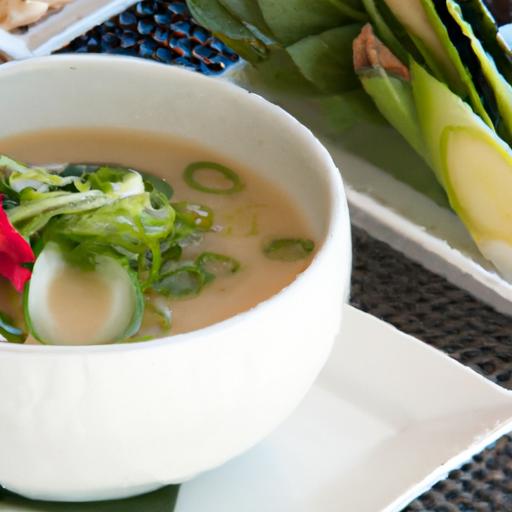

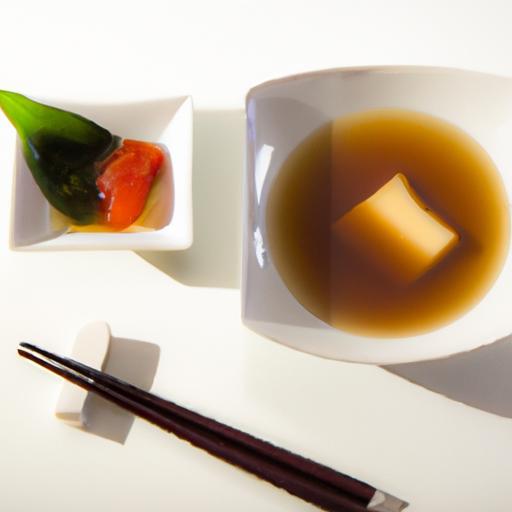
TherS something quietly comforting about a steaming bowl of miso soup-a delicate dance of umami flavors that warms the soul wiht every sip. But beyond its savory allure lies a common curiosity: just how many calories are packed into this traditional Japanese staple? In this article, we’ll unravel the nutritional mystery behind miso soup, exploring how this humble broth manages to be both satisfyingly light and richly nourishing. Whether your counting calories, seeking a wholesome snack, or simply fascinated by the science of flavor, join us as we demystify the gentle goodness in every bowl.
Understanding How Different Ingredients Influence Miso Soup Calories
Miso soup calories are delightfully low compared to many other meals, yet the subtle nuances of its ingredients can shift the nutritional landscape substantially. Rooted in centuries of Japanese culinary tradition, miso soup is more than just a comforting sip-it’s a balance of umami-rich paste, mineral-packed dashi, and fresh, wholesome components. Knowing how each element impacts the calorie content empowers you to customize a bowl that suits your dietary needs without sacrificing flavor.
Prep and Cook Time
- Planning: 10 minutes
- Cooking: 15 minutes
- Total time: 25 minutes
Yield
- 4 servings (approximately 1 cup each)
Difficulty Level
- Easy – perfect for culinary beginners and seasoned cooks alike
Ingredients
- 4 cups dashi broth (homemade or instant)
- 3 tablespoons white miso paste (adjust to taste)
- 1/2 cup silken tofu, cut into small cubes
- 1/4 cup wakame seaweed, rehydrated
- 2 green onions, thinly sliced
- Optional: thinly sliced mushrooms, grated ginger, or baby spinach for extra nutrients and flavor
Instructions
- Heat the dashi broth in a medium pot over medium heat until it’s steaming but not boiling. Avoid harsh boiling to preserve the delicate taste.
- Lower heat and whisk in the miso paste gradually.To ensure smooth incorporation, dissolve miso in a ladle of warm dashi before mixing it back into the pot.
- Add the tofu cubes and rehydrated wakame gently. Simmer for 2-3 minutes; this warms the tofu without falling apart.
- stir in any optional ingredients like mushrooms or spinach and cook until tender, about 2 minutes.
- Remove from heat and garnish with the sliced green onions. Serve hot instantly to enjoy the freshest flavors.
Tips for enjoying Miso soup Without Compromising Your Diet
- Choose low-sodium miso paste to control salt intake without losing the savory depth.
- Enhance volume and nutrition by adding nutrient-dense vegetables such as spinach, bok choy, or shredded carrots while keeping calories in check.
- Opt for silken tofu over fried varieties to minimize fat content.
- Use homemade dashi if possible, as store-bought versions can be higher in sodium and preservatives.
- For a heartier soup, add small amounts of cooked quinoa or brown rice; remember to calculate additional calories accordingly.
Balancing Flavor and Health in Your Miso Soup Recipe
Miso soup calories remain modest thanks to the naturally low-calorie base ingredients. Yet,by incorporating aromatic garnishes like ginger and green onion or umami boosters such as dried mushrooms,you can elevate complexity without adding fat or excess calories. This harmony allows you to indulge in nourishing warmth that fuels your day while keeping your health goals front and center.
| Ingredient | Calories (per serving) | Protein (g) | Carbs (g) | Fat (g) |
|---|---|---|---|---|
| Dashi broth (1 cup) | 10 | 1 | 1 | 0 |
| White miso paste (1 tbsp) | 35 | 2 | 4 | 1 |
| Silken tofu (1/8 cup) | 20 | 2 | 1 | 1 |
| Wakame (rehydrated, 2 tbsp) | 5 | 0.3 | 1 | 0 |
| Green onion (2 tbsp) | 5 | 0.2 | 1 | 0 |
Chef’s Notes
- For a richer flavor, experiment with red or barley miso but be mindful of the slightly higher sodium and calorie content.
- Using cold water when dissolving miso helps preserve beneficial enzymes that can be destroyed by heat.
- To prevent miso clumping, always dissolve it in warm broth separately before adding it to the pot.
- This soup tastes best fresh but can be refrigerated for up to 2 days; reheat gently without boiling to avoid bitterness.
Serving Suggestions
Present your miso soup in a traditional lacquered bowl for an authentic feel.Radiant green scallions and a sprinkle of toasted sesame seeds add visual contrast and an enticing aroma. Pair with steamed jasmine rice or lightly pickled vegetables for a complete, satisfying meal that complements the light yet savory profile of your miso soup.

For more tasty low-calorie Japanese dishes, check out our Healthy Japanese Recipes. To deepen your knowledge about miso’s fermentation benefits, visit the Medical News Today article.
Q&A
Q&A: Miso Soup Calories – A Light Sip of Savory Goodness Explained
Q1: What makes miso soup a popular choice for a light, healthy dish?
A1: Miso soup’s popularity stems from its unique blend of umami-rich miso paste, nutrient-packed seaweed, tofu, and sometimes green onions or mushrooms. This combination creates a comforting, savory broth that’s low in calories yet rich in flavor – perfect for those seeking a nourishing bite without the heaviness.Q2: How many calories are typically in a serving of miso soup?
A2: On average, a standard bowl of miso soup contains between 35 to 50 calories per serving. This low calorie count makes it an excellent starter or snack for anyone mindful of their energy intake.
Q3: Does the type of miso paste affect the calorie content?
A3: Yes, slightly. White miso (shiro) tends to be milder and a bit sweeter with minimal calories, while red miso (aka) is fermented longer, boasting a stronger flavor and marginally more calories – though the difference is generally minimal and doesn’t significantly impact the overall calorie count.Q4: Are there any hidden calorie boosters in miso soup?
A4: Sometimes! Additions like fried tofu,noodles,or extra oils can bump up the calorie content. Traditional miso soup is fairly lean, but specialty or restaurant versions may include richer ingredients that add both calories and complexity.
Q5: Beyond calories, what nutritional benefits does miso soup offer?
A5: Miso soup is more than just low-calorie goodness. It provides probiotics from fermented miso, which can aid digestion, along with vitamins, minerals, and antioxidants from seaweed and vegetables. It’s a small bowl with big wellness perks.Q6: Is miso soup suitable for weight loss diets?
A6: Absolutely! Because it’s low in calories yet filling and packed with flavor,miso soup fits beautifully into many weight management plans. Its warm, savory profile can curb cravings without tipping the calorie scale.
Q7: How can I keep my homemade miso soup light and healthy?
A7: Stick to traditional ingredients like miso paste, dashi broth, tofu, wakame seaweed, and scallions. Avoid heavy additions and limit salty condiments. This ensures your soup remains a light, savory sip of wellness.
Q8: Can miso soup be enjoyed daily without worry about calorie overload?
A8: Definitely! Its low calorie content and nutritional benefits make miso soup a smart daily indulgence. Just be mindful of portion sizes and additional ingredients to keep it in the light, flavorful zone.
miso soup proves that healthful eating doesn’t have to be bland or boring. This light, savory sip offers a delightful calorie-conscious way to nourish your body and warm your soul.
Future Outlook
As you savor each delicate spoonful of miso soup, know that beneath its humble appearance lies a nuanced balance of flavor and nutrition-a light sip of savory goodness that hardly makes a dent in your daily calorie count. Whether you enjoy it as a comforting starter or a soothing companion to your meal, miso soup proves that delicious doesn’t have to mean calorie-heavy. So next time you crave something warm and satisfying, reach for this timeless broth-your taste buds and your waistline will thank you.