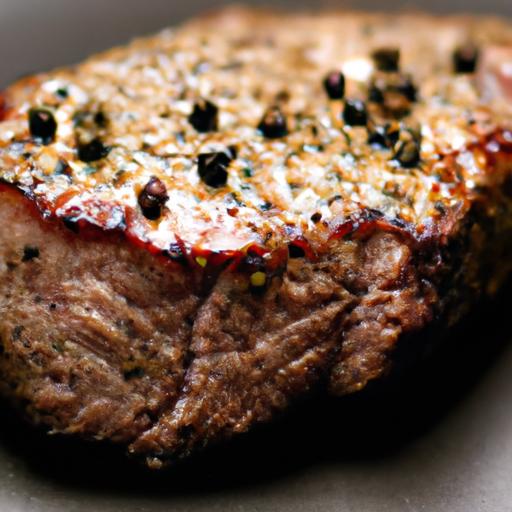

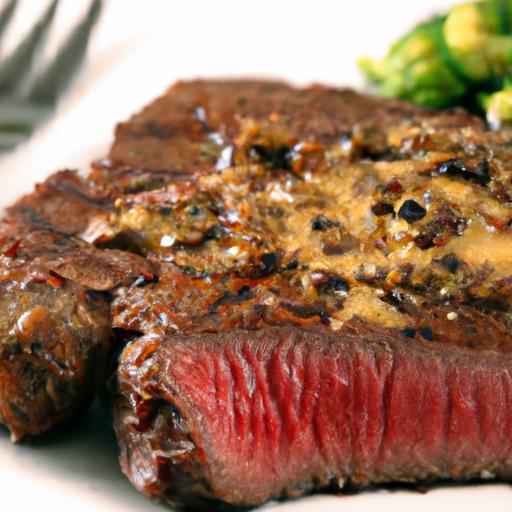
There’s a certain alchemy to cooking the perfect steak-a sizzle that sings, a crust that crackles, and a tender, juicy center that melts on your tongue. Yet, achieving this coveted masterpiece at home can often feel like a culinary mystery reserved for seasoned chefs. Fear not. Mastering the art of the perfect pan-seared steak is not only within your reach but can transform your kitchen into your personal steakhouse. In this article, we’ll unravel the secrets behind selecting the ideal cut, seasoning with finesse, and harnessing heat to craft a steak that’s seared to golden-brown perfection while locking in irresistible flavor. Prepare to elevate your cooking game and impress yourself-and your guests-with every mouthwatering bite.
Mastering the Art of the Perfect Pan-Seared Steak at Home
Mastering the art of the perfect pan-seared steak at home starts with selecting the right cut and understanding the nuances of meat quality.This culinary journey transforms a simple piece of beef into a tender, juicy masterpiece with a crust so flavorful it commands attention. Whether you crave a buttery ribeye or a lean filet mignon, knowing what to look for in your meat sets the foundation for success.
Prep and Cook Time
- Preparation: 10 minutes
- cook Time: 10-15 minutes
- Total: 20-25 minutes
Yield
Serves 2 hungry steak lovers
Difficulty Level
Medium – ideal for confident home cooks eager to elevate their technique
Ingredients
- 2 steaks (1.5 to 2 inches thick; Ribeye, striploin, or Filet Mignon preferred)
- Kosher salt, to taste
- Freshly cracked black pepper, to taste
- 2 tbsp high smoke point oil (e.g., avocado or refined grapeseed oil)
- 3 tbsp unsalted butter
- 3 garlic cloves, smashed
- 2 sprigs fresh thyme
- Optional: A squeeze of fresh lemon or a pinch of smoked paprika for finishing
Instructions
- Select the ideal cut: Look for marbling-the thin white veins of fat throughout the meat-which melts during cooking, imparting rich flavor and tender juiciness. Aged steaks, whether dry-aged or wet-aged, develop a deeper, buttery character perfect for pan-searing.
- Bring steaks to room temperature: Remove them from the fridge 30 minutes before cooking to ensure even cooking and prevent toughness.
- Season generously: Pat dry with paper towels, then coat both sides with kosher salt and freshly cracked black pepper. This creates the savory base essential to a perfect crust.
- Heat your pan: Place a heavy-bottomed cast-iron skillet on medium-high heat. add oil and wait until it shimmers but doesn’t smoke.
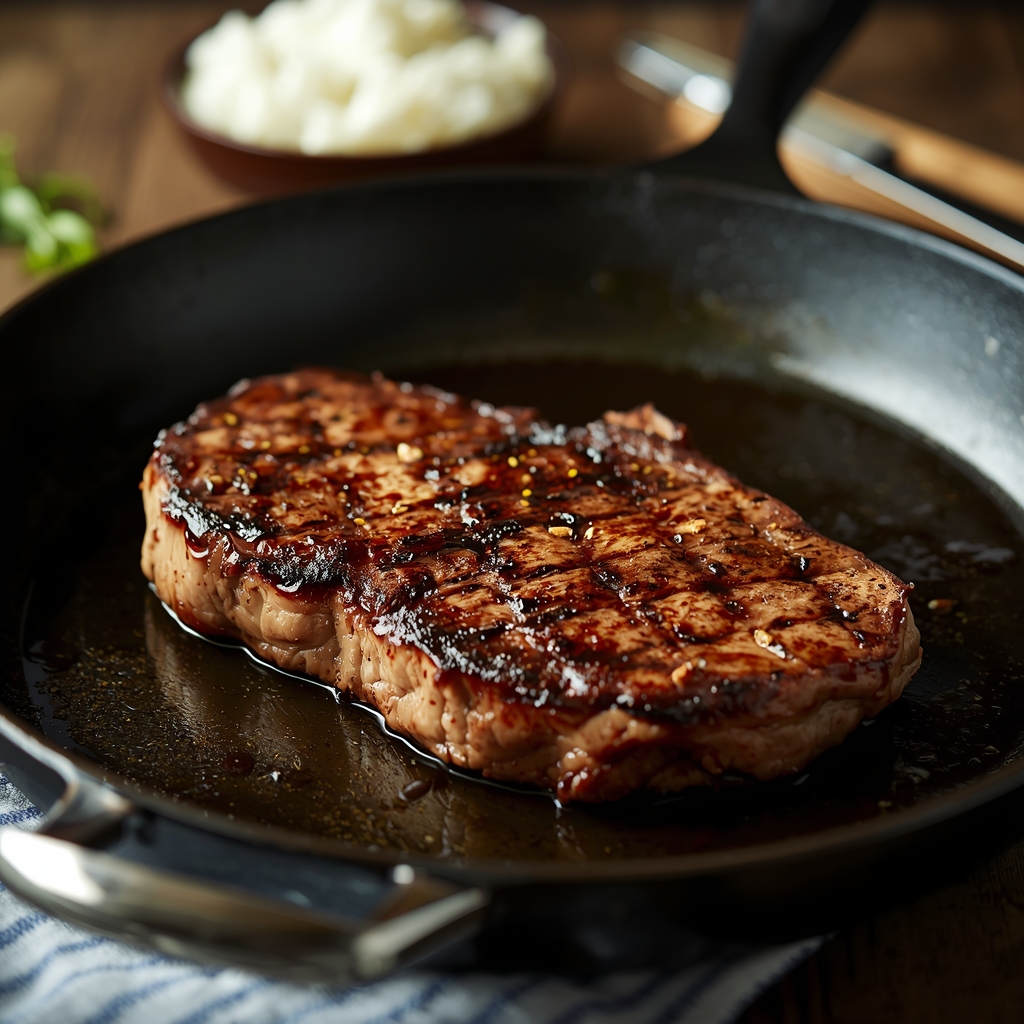
- Sear steak without disturbance: Lay the steak firmly into the pan. Resist the urge to move it. Let it develop a deep caramelized crust, about 3-4 minutes per side depending on thickness, flipping only once.
- Add butter and aromatics: Reduce heat to medium-low, then add butter, garlic, and thyme. Continuously spoon the melted butter over the steak (“basting”) for 2-3 minutes to enhance flavor and encourage a juicy interior.
- Master temperature control: Use an instant-read thermometer-120°F for rare, 130°F medium-rare, 140°F medium, and 150°F medium-well. Remove the steak from the pan just shy of your target to allow carryover cooking.
- rest your steak: Let it rest on a warm plate for 5-10 minutes, tented loosely with foil. This step redistributes juices, locking in moisture and ensuring each bite is tender.
- Finish and serve: Optionally, drizzle with a squeeze of fresh lemon or a pinch of smoked paprika to add brightness and complexity. Slice thinly against the grain for maximum tenderness.
Chef’s notes: Tips for Success
- Choosing the cut: For beginners, a boneless ribeye offers an indulgently marbled and forgiving steak. For leaner,more refined flavors,filet mignon is perfect but requires precision to avoid dryness.
- resting matters: Skipping the rest can cause all the juices to spill out when you slice. Patience here yields perfect succulence.
- Main pan type: Cast iron is ideal for maintaining intense, even heat to build that perfect crust. Stainless steel works but requires more oil to prevent sticking.
- Make-ahead: Season steaks and refrigerate uncovered (wrapped in parchment) for up to 24 hours to dry-brine and intensify flavor.
- Don’t overcrowd the pan: Cook steaks in batches if necessary to maintain proper heat levels and achieve an ideal sear.
Serving Suggestions
Serve your perfectly pan-seared steak alongside creamy garlic mashed potatoes, roasted seasonal vegetables, or a crisp, refreshing arugula salad with lemon vinaigrette. garnish with a sprig of fresh thyme or rosemary and a pat of compound herb butter for the ultimate steakhouse experience at home.

| Nutrient | Per Serving (1 steak) |
|---|---|
| Calories | 550 kcal |
| Protein | 48 g |
| Carbs | 0 g |
| Fat | 40 g |
Discover more on Serious Eats’ Guide to Pan-Seared Steak for advanced techniques and tips.
For an equally indulgent side, try our garlic mashed potatoes recipe to accompany your steak perfectly.
Q&A
Q&A: Mastering the Art of the Perfect Pan-Seared Steak at Home
Q1: What’s the secret to getting that flawless crust on a pan-seared steak?
A: The secret lies in high heat and patience. Frist, make sure your pan is scorching hot before adding the steak-this helps create the Maillard reaction, the chemical magic responsible for that irresistible caramelized crust. Also,avoid crowding the pan; give each steak room to sizzle and develop its golden armor.
Q2: How do I choose the right cut of steak for pan-searing?
A: Opt for cuts that are well-marbled, like ribeye, striploin, or filet mignon.Marbling means intramuscular fat, which melts during cooking and keeps your steak juicy and flavorful. thickness matters too-about 1 to 1.5 inches thick is ideal for getting a seared outside and a tender,perfectly cooked inside.
Q3: Should I season my steak before or after cooking?
A: Season generously with kosher salt and freshly cracked pepper at least 40 minutes before cooking or right before you hit the pan. Salting early draws out moisture then allows it to reabsorb, seasoning the meat deeply. However, if you’re short on time, season just before searing to avoid drawing out too much moisture.
Q4: Is it necessary to let the steak come to room temperature before cooking?
A: Absolutely! Letting your steak sit out for 30-45 minutes helps it cook more evenly. Tossing a cold steak straight onto a hot pan can cause uneven cooking, with the outside overdone while the inside remains undercooked.
Q5: How do I know when my steak is perfectly cooked without cutting into it?
A: Use the finger test for doneness! Gently press the steak with your fingertip or tongs and compare its firmness to different parts of your hand:
- Rare feels like the fleshy area under your thumb when your hand is relaxed.
- Medium-rare matches the firmness when your thumb and middle finger touch.
- Medium corresponds to thumb and ring finger touch.
- Well-done feels like thumb and pinky fingertip touch.
If you wont precision, an instant-read thermometer is your best friend: 130°F (54°C) for medium-rare, 140°F (60°C) for medium, and 160°F (71°C) for well-done.
Q6: How vital is resting the steak after cooking?
A: crucial! Resting allows the juices to redistribute, preventing that primal rush of flavorful liquids from spilling onto your cutting board. A good 5-10 minute rest under loose foil makes your steak juicier and enhances every bite.
Q7: Can I use butter and herbs during pan-searing?
A: Yes! Once your steak is nearly done, toss in a knob of butter, crushed garlic cloves, and fresh herbs like thyme or rosemary. Tilt the pan and spoon the aromatic, melting butter over the steak repeatedly. This technique-called basting-infuses the meat with rich flavor and adds a glossy finish.
Q8: What common mistakes should I avoid while pan-searing steak?
A: Avoid overcrowding the pan, which steams rather than sears your steak. Don’t flip your steak multiple times; one or two flips are enough for that perfect crust. Lastly, steer clear of cutting into the steak too soon-patience pays off in juicy rewards.
Q9: Can I cook a thick steak entirely on the stovetop, or do I need to finish it in the oven?
A: For thicker cuts (over 1.5 inches), searing both sides on the stove and finishing in a preheated oven ensures even cooking without burning the crust. For thinner cuts, stovetop alone usually suffices.
Q10: How do I clean my pan after cooking a steak without losing that beautiful fond (the browned bits)?
A: After removing the steak, deglaze the pan with a splash of wine, broth, or water while it’s still hot.Scrape the browned bits with a wooden spoon-this fond is pure flavor gold and can form the base for a delicious pan sauce.
Mastering the perfect pan-seared steak is both an art and a delightful science. With heat, timing, and a touch of seasoning savvy, your kitchen can become a steakhouse paradise. Happy searing!
Final thoughts
mastering the art of the perfect pan-seared steak at home transforms a simple meal into a culinary triumph. With the right technique, a handful of quality ingredients, and a bit of patience, you can create a steak that rivals those from your favorite steakhouse-crispy, juicy, and bursting with flavor. As you refine your skills, remember that each steak is a canvas, inviting you to experiment with seasoning, heat, and resting times until you discover your personal masterpiece. So fire up your skillet, embrace the sizzle, and turn every steak night into an occasion worth savoring. Your journey to steak perfection starts now-one delicious sear at a time.