
Ther’s a certain magic in the sizzle of a steak hitting a hot pan-the moment when simple ingredients transform into a mouthwatering masterpiece. Mastering the art of the perfect pan-seared steak isn’t just about heat and timing; it’s a delicate dance of technique, intuition, and understanding your cut of meat.Whether you’re a seasoned home cook or just starting your culinary journey, unlocking the secrets behind that golden crust and juicy interior can elevate your meals from ordinary to unforgettable. In this article, we’ll explore the science, tips, and tricks that turn a humble skillet into your ultimate steakhouse tool-inviting you to savor every bite of steak perfection.
Mastering the Art of the Perfect Pan-Seared Steak begins not just with technique, but with thoughtful selection and planning. Choosing the right cut ensures every bite bursts with flavor and tenderness, setting the stage for a steak experience you’ll savor again and again. Whether you prefer the rich marbling of a ribeye or the lean elegance of a filet mignon, knowing how to prep and heat your pan correctly will unlock steakhouse-quality results at home.
Prep and cook Time
Preparation: 10 minutes | Cooking: 8-12 minutes | Total: 20-25 minutes
Yield
Serves 2-3 people,depending on cut size
Difficulty level
Medium – ideal for both ambitious beginners and experienced home cooks
Ingredients
- 2 (8-10 oz) steaks – ribeye,New York strip,or filet mignon,1 to 1½ inches thick
- 1½ tsp kosher salt
- 1 tsp freshly ground black pepper
- 2 tbsp vegetable oil (high smoke point like canola or grapeseed)
- 3 tbsp unsalted butter
- 3 garlic cloves,smashed
- 2 sprigs fresh thyme or rosemary
Instructions
- bring the steak to room temperature. Remove steaks from the refrigerator 30-40 minutes prior to cooking-this ensures even cooking and better searing.
- pat dry your steaks thoroughly with paper towels. Moisture is the enemy of caramelized crusts.
- Season generously on both sides with kosher salt and freshly ground black pepper. Don’t hold back-the salt draws out flavor and creates a savory crust.
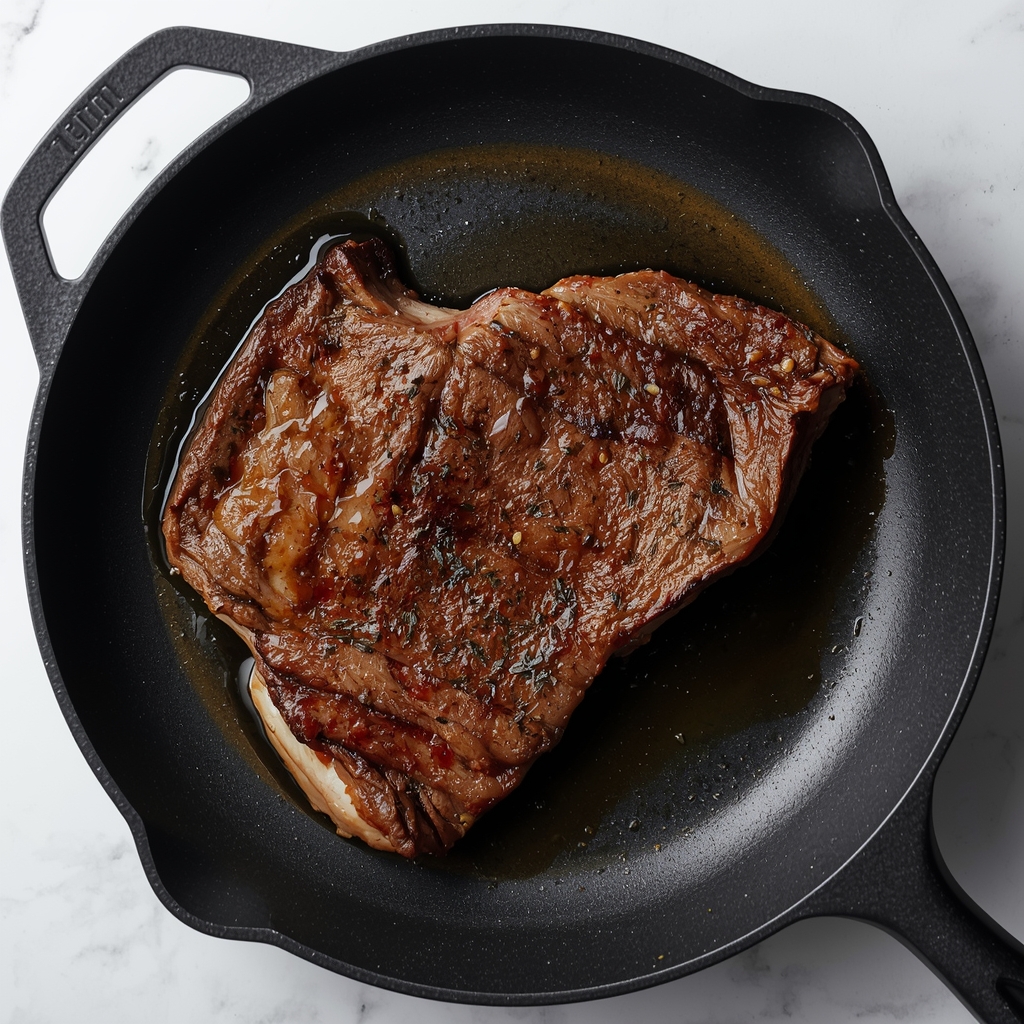
- Preheat a heavy-bottomed skillet (preferably cast iron) over medium-high heat until it just begins to smoke. this high heat is essential for the perfect sear.
- Add the vegetable oil,swirling to coat the pan evenly. Onc shimmering, carefully place steaks in the skillet, laying them away from you to avoid splatter.
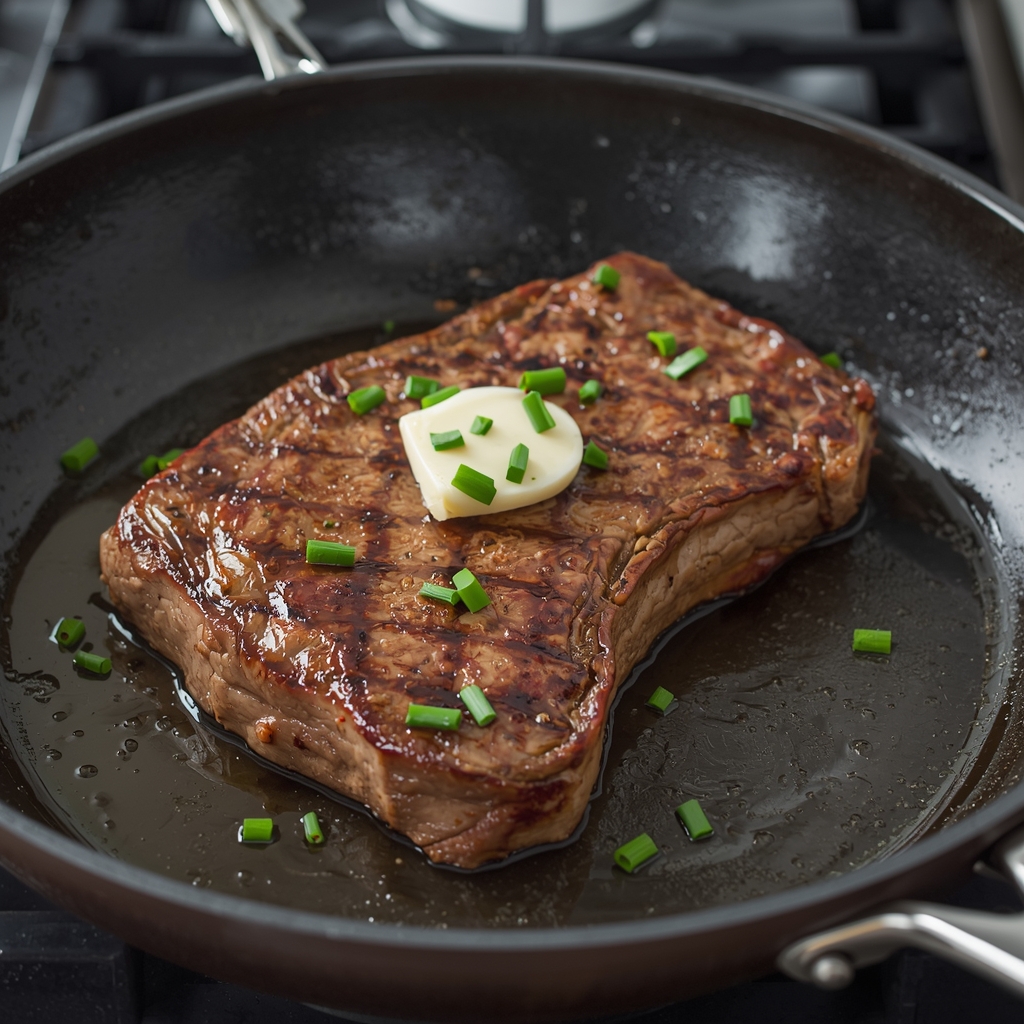
- Cook without moving for 3-4 minutes,allowing a deep mahogany crust to form. This caramelization is the hallmark of a perfectly seared steak.
- Flip the steaks and reduce heat to medium. Add butter, garlic cloves, and fresh thyme or rosemary to the pan.
- Begin the butter basting process. Tilt the pan slightly and,using a spoon,continually baste the steaks with the melted butter-herb mixture for 2-3 minutes.This infuses rich flavor and promotes even cooking.
- check doneness by touch or with an instant-read thermometer: 125°F for rare, 135°F for medium-rare, 145°F for medium. Remember, carryover cooking will raise internal temp slightly.
- Remove steaks from the pan and let rest on a clean plate or cutting board, loosely tented with foil, for 5-7 minutes. Resting lets juices redistribute,preserving moistness and tenderness.
- Slice against the grain just before serving to ensure maximum tenderness and pleasurable texture.
Tips for Success
- Selecting your cut: For a rich, buttery steak, ribeye’s marbling melts into each bite. For a lean yet tender cut, filet mignon offers a melt-in-your-mouth experience.
- Heat control is key: If your pan smokes excessively, reduce the heat slightly to avoid burning your butter or spices.
- Butter basting: adds moisture and luxurious flavor. Don’t rush this step-it’s what elevates your steak from good to extraordinary.
- Season well, but balance: salt early and pepper just before searing for a nuanced, layered taste.
- Make-ahead hint: Season steaks and let sit uncovered in the fridge overnight for a dry brine effect that intensifies flavor and tenderness.
- Handling leftovers: Warm gently and avoid overcooking by reheating in a skillet over low heat with a bit of butter.
Serving Suggestions
Serve your perfectly pan-seared steak with a simple garnish of fresh herbs like thyme or parsley. Pair it with classic sides such as garlic mashed potatoes, roasted asparagus, or a crisp arugula salad dressed with lemon vinaigrette. A drizzle of pan juices or a dollop of herb butter on top adds elegance and richness. For an extra touch, sprinkle flaky sea salt just before serving to highlight the crust’s texture.

Nutritional Details (per serving)
| Calories | Protein | Carbohydrates | Fat |
|---|---|---|---|
| 450 kcal | 40 g | 0 g | 32 g |
For more detailed insights on steak cuts and cooking techniques, check out our Ultimate Guide to Steak Cuts.Additionally, the Science Behind the Perfect Sear offers fascinating context on Maillard reaction benefits and heat management.
Q&A
Q&A: Mastering the Art of the Perfect Pan-Seared Steak
Q1: What’s the secret to achieving a perfect crust on a pan-seared steak?
A1: The secret lies in patience, heat, and simplicity. Start with a dry steak-pat it thoroughly with paper towels to remove excess moisture, wich or else steams rather than sears. Preheat your pan until it’s shimmering hot, then add a high smoke-point oil (like grapeseed or avocado oil). Press the steak gently into the pan and resist the urge to move it around-leave it alone to develop that rich, caramelized crust, which usually takes about 3-5 minutes per side depending on thickness.
Q2: Should I season the steak before or after cooking?
A2: For maximum flavor, season generously with salt and freshly ground black pepper just before the steak hits the pan. Salt helps draw out moisture initially but then reabsorbs it along with the seasoning, enhancing both juiciness and taste. If you season too far in advance, the salt can draw out moisture and cause a less tender bite.
Q3: How do I know when my steak is cooked perfectly?
A3: The best way is to use a meat thermometer-aim for 125°F (52°C) for rare, 135°F (57°C) for medium-rare, and 145°F (63°C) for medium. If you don’t have a thermometer,try the finger test: press your thumb and middle finger together and feel the fleshy part beneath your thumb; that’s roughly rare. As you move to ring and pinky fingers, the firmness mimics medium and well-done.
Q4: Can I use butter to baste the steak during cooking?
A4: Absolutely-and it’s a game-changer. Once you flip the steak, add a knob of butter along with aromatics like crushed garlic cloves, thyme, or rosemary. As the butter melts,tilt the pan and spoon it over the steak repeatedly.This basting not only adds richness but also helps cook the steak evenly and infuses it with herbal goodness.
Q5: How do I rest my steak, and why is it important?
A5: After cooking, transfer your steak to a warm plate and let it rest for about 5-10 minutes. Resting allows the meat’s juices, which are pushed toward the center during cooking, to redistribute evenly throughout the steak. Cutting into the steak too soon will cause those precious juices to spill out, leaving a drier bite.
Q6: What cuts of steak work best for pan-searing?
A6: Steaks that are about 1 to 1.5 inches thick are ideal-even thickness ensures even cooking. Ribeye, New York strip, filet mignon, and sirloin are excellent choices. These cuts have a great balance of marbling and tenderness that respond beautifully to high heat and quick cooking.
Q7: Any tips for pairing sides or sauces with a perfectly seared steak?
A7: Keep it classic or play with bold flavors! Creamy mashed potatoes, roasted garlic asparagus, or a simple arugula salad with lemon vinaigrette complement the richness of steak beautifully. for sauces, a red wine reduction, chimichurri, or a tangy blue cheese butter can elevate your plate without overpowering the meat’s natural flavor.
Mastery of the pan-seared steak isn’t just about technique-it’s about honoring the process and savoring the results. With heat, patience, and a little love, you’ll transform a simple cut into a stunning centerpiece worthy of any dinner table.
The Conclusion
mastering the art of the perfect pan-seared steak is less about following a rigid formula and more about embracing a delicious journey-one where intuition meets technique, and patience rewards your palate. With each sizzle and sear, you unlock the secrets of caramelized crusts, juicy interiors, and flavors that dance on the tongue. So, armed with a trusty pan, quality steak, and newfound confidence, step into your kitchen and let every meal be a party of culinary craftsmanship. after all, the perfect steak isn’t just cooked-it’s crafted, savored, and shared.