
There’s a certain magic to the sizzle of a steak hitting a hot pan-the tantalizing aroma, the caramelized crust forming bite by tasty bite, and that juicy, tender center that turns a simple meal into a memorable experience. Yet, achieving the perfect pan-seared steak can feel like an elusive culinary feat, reserved only for seasoned chefs or lucky home cooks. Fear not. Whether you’re a kitchen novice or a seasoned food enthusiast, mastering the art of the perfect pan-seared steak is within your grasp. In this article, we’ll journey through the essential techniques, insider tips, and little-known secrets that transform ordinary cuts of meat into mouthwatering masterpieces every time.
Choosing the Ideal Cut and Understanding Steak Quality
Mastering the Art of the Perfect Pan-Seared Steak Every Time begins with selecting the right cut and grasping the intricacies of steak quality. Whether you prefer the rich marbling of a ribeye, the tender chew of a filet mignon, or the bold flavor of a strip steak, knowing exactly what to look for can elevate your dining experience to new heights. look for bright, cherry-red meat with fine speckles of white fat known as marbling-this intramuscular fat melts during cooking, delivering juiciness and mouthwatering flavor.
Understanding grade labels such as USDA Prime or Choice can also guide your purchase. Prime steaks are the cream of the crop, with abundant marbling and exceptional tenderness, ideal for pan-searing. Don’t shy away from dry-aged options if you want a deeper, nuttier flavor profile. And always buy steaks that are at least 1 to 1.5 inches thick for optimal sear and control.
Essential Prep Techniques for superior Flavor and Texture
Before your skillet touches the steak, proper preparation is key to unlocking that coveted crust and juicy interior. Pat your steak dry with paper towels; moisture on the surface steams the meat instead of searing it. Bring the steak to room temperature for about 30 minutes to ensure even cooking. Generously season with kosher salt and freshly cracked black pepper – these simple enhancements enhance the natural flavors without overpowering them.
For an elevated touch, lightly brush the steak with a high-smoke-point oil like grapeseed or avocado oil, ensuring even heat conduction. Avoid pre-marinating as the direct sear and quality beef flavor should shine. Gather fresh aromatics such as garlic cloves, thyme, or rosemary to infuse during the finishing steps, balancing robust savory tones.
Achieving the Perfect Sear with Optimal heat and Timing
Achieving the perfect sear requires mastering heat and timing finesse. Use a heavy-bottomed skillet-cast iron reigns supreme for even heat distribution and creating an enviable crust. Preheat your pan over medium-high heat untill it’s just beginning to smoke-this signals it’s ready.
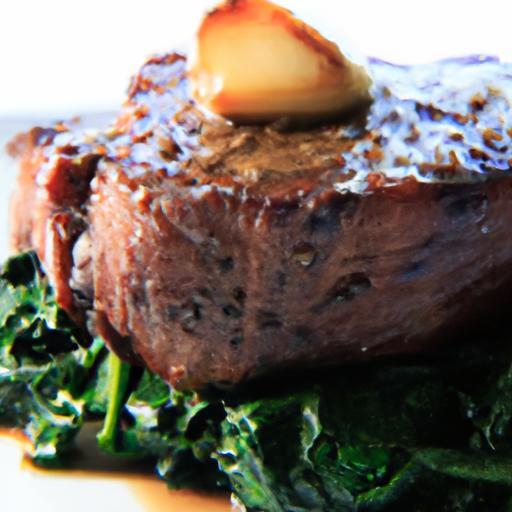
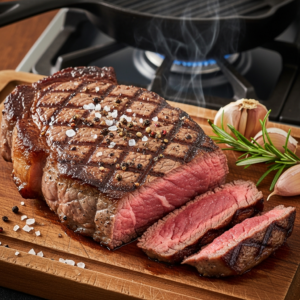
Carefully place the steak down and resist the urge to move it.A still surface encourages caramelization (the Maillard reaction), producing those beautiful golden-brown crusts.Sear for about 3-5 minutes per side depending on thickness and preferred doneness. Flip once, then add a few tablespoons of unsalted butter along with your garlic and herbs, basting continuously to perfume and moisten the steak.
For thicker cuts, finish in a 400°F oven briefly after searing to reach perfect internal temperature. use a reliable meat thermometer, aiming for 130°F for medium-rare, allowing it to rest covered loosely in foil for 5-10 minutes.this resting redistributes juices and results in buttery, melt-in-your-mouth perfection.
Finishing Touches That Elevate your Pan-Seared Steak to Restaurant Quality
Your masterpiece is nearly complete, but those final touches truly separate home cooking from restaurant quality. After resting, enhance flavor by sprinkling a small pinch of flaky sea salt to highlight the savory notes. A drizzle of high-quality extra virgin olive oil or a pat of herb-infused butter melts luxuriously over the steak’s surface.
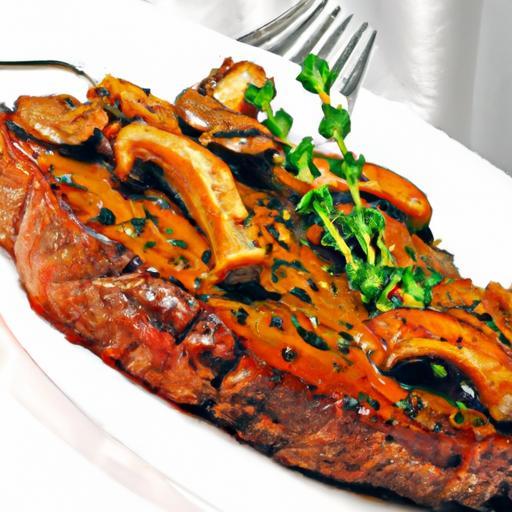
Consider preparing a simple pan sauce by deglazing the skillet with a splash of red wine or beef broth, scraping up those flavorful browned bits. Reduce until slightly thickened, then spoon over the steak for an irresistible finish. Garnish with fresh chopped parsley, microgreens, or a twist of cracked black pepper for a visually stunning plate.
Prep and Cook Time
- Preparation: 35 minutes (including resting time)
- Cook Time: 10-15 minutes
Yield
Serves 2 hungry steak lovers
Difficulty Level
Medium – requires attention to detail but accessible for all skill levels
Ingredients
- 2 premium steaks (ribeye, strip, or filet mignon), each 1.5 inches thick
- Kosher salt,to taste
- Freshly cracked black pepper,to taste
- 2 tablespoons grapeseed or avocado oil
- 3 tablespoons unsalted butter
- 3 garlic cloves,smashed
- 2 sprigs fresh thyme or rosemary
- Flaky sea salt,for finishing
- Optional: ¼ cup dry red wine or beef broth for pan sauce
Instructions
- Prep the steak: remove steaks from the fridge and pat dry with paper towels. Season generously on all sides with kosher salt and freshly cracked black pepper. Let rest at room temperature for at least 30 minutes.
- Preheat the skillet: Place a cast iron skillet over medium-high heat and heat until just smoking. Brush the steaks lightly with grapeseed or avocado oil.
- Sear the first side: Carefully place steaks into the hot pan without overcrowding. Leave undisturbed for 3-5 minutes until a deep golden crust forms.
- Flip and baste: Turn steaks over, add butter, smashed garlic, and thyme to the pan.Tilt the pan slightly and continuously spoon melted butter over the steaks to baste and infuse flavor.
- Cook to doneness: Continue cooking 3-5 minutes for medium-rare (internal temp 130°F). For thicker cuts, transfer skillet to a preheated 400°F oven for 3-5 more minutes.
- Rest the steaks: Remove steaks to a plate and loosely tent with foil. Rest 5-10 minutes to let juices redistribute.
- Optional pan sauce: Place skillet back on medium heat, add red wine or beef broth, and scrape up browned bits.Reduce until slightly thickened, then drizzle over steak.
- Finish and serve: Sprinkle flaky sea salt over steaks, garnish with chopped parsley if desired, and serve immediately.
Chef’s Notes
- For a smoky twist, try finishing your steak with a quick sear on a hot grill after pan-searing.
- If you prefer a crust with extra texture, lightly dust the steaks with a pinch of smoked paprika before seasoning.
- Use an instant-read thermometer for foolproof timing and to avoid overcooking.
- Make steaks ahead by seasoning and refrigerating uncovered overnight to dry brine for enhanced flavor and crust.
- Substitute fresh herbs with herb paste or dried if fresh is unavailable, but reduce quantity.
Serving Suggestions
Serve your perfectly pan-seared steak alongside creamy garlic mashed potatoes or crispy roasted fingerling potatoes. Complement with sautéed seasonal vegetables, such as garlic green beans or blistered cherry tomatoes.
For a vibrant finish, sprinkle chopped fresh chives or microgreens atop the steak. Pair with a bold red wine like Cabernet Sauvignon or Malbec to highlight the robust flavors.

| Nutrient | Per Serving (8 oz steak) |
|---|---|
| Calories | 550 kcal |
| Protein | 48 g |
| Carbohydrates | 1 g |
| Fat | 40 g |
For more detailed tips on selecting the perfect beef, visit the USDA Beef Quality Grading Guide. Explore also our guide on making creamy mashed potatoes for a perfect meal accompaniment.
Q&A
Q&A: mastering the Art of the Perfect Pan-Seared Steak Every Time
Q1: What’s the secret to starting the perfect pan-seared steak?
A1: It all begins with patience and preparation. Let your steak come to room temperature before it hits the pan. This ensures even cooking and a succulent interior. Plus, generously season with salt and freshly ground pepper to build that crave-worthy crust.
Q2: why is the pan choice so crucial?
A2: Cast iron is your best friend here. It heats evenly, retains high temperatures, and helps develop that signature sizzling sear. A heavy skillet traps heat better than a flimsy frying pan, giving your steak the golden-brown armor it deserves.
Q3: How hot should the pan be?
A3: Hot, hot, hot-without burning.Preheat your pan until it’s shimmering with heat, but not smoking. This intense heat is what caramelizes the steak’s surface, creating complex flavors and a beautiful crust.
Q4: what’s the right amount of oil or fat to use?
A4: Use a high smoke point oil like grapeseed, canola, or avocado oil, just enough to lightly coat the pan. Too much oil causes frying rather than searing, while too little might cause sticking or uneven browning.
Q5: How do you know when to flip the steak?
A5: Resist the urge to poke or prod! Flip the steak once a crust has formed and it easily releases from the pan-usually about 3-5 minutes per side depending on thickness. This careful timing preserves those rich juices inside.
Q6: Should I rely on a timer or touch?
A6: Combine both intuition and tools. Use a timer as a guideline, but learn the “finger test” for doneness: a rare steak feels soft and squishy, medium firm yet springy, and well-done firm to the touch.For precision,use an instant-read thermometer-130°F for medium-rare.
Q7: What’s the role of butter and aromatics?
A7: Near the end of cooking, toss in a knob of butter, crushed garlic, and fresh herbs like thyme or rosemary. Tilt the pan and spoon this fragrant, nutty butter over the steak-a technique called basting-which infuses flavor and enhances juiciness.
Q8: How importent is resting the steak?
A8: Crucial. Let your steak rest on a warm plate for 5-10 minutes after cooking. This allows the juices to redistribute, ensuring every bite bursts with flavor instead of leaking out onto the cutting board.
Q9: Any tips for slicing and serving?
A9: Always cut against the grain-the direction the muscle fibers run-to maximize tenderness. Pair your perfectly seared steak with complementary sides like garlicky sautéed greens or a tangy chimichurri sauce to elevate your meal.
Q10: Can this technique be applied to other cuts or proteins?
A10: Absolutely! The principles of even heating, proper seasoning, and resting work wonders on pork chops, duck breasts, and even thick fish steaks. Just adjust cooking times to suit the thickness and type of meat.
Mastering the pan-seared steak isn’t just about following steps-it’s about connecting with the sizzle, the aromas, and the conversion happening in your pan.With practice, you’ll turn every steak night into a restaurant-quality experience. Bon appétit!
The Way Forward
Mastering the art of the perfect pan-seared steak is more than just a cooking technique-it’s a flavorful journey that transforms simple ingredients into a culinary masterpiece.With the right balance of heat, seasoning, and timing, you can unlock the steak’s full potential, achieving that coveted crust while keeping the interior juicy and tender.Armed with these insights and a bit of practice, every steak you cook will be a testament to your growing expertise. So, fire up your pan, trust your senses, and savor the satisfaction that comes with creating steakhouse-worthy perfection right in your own kitchen.