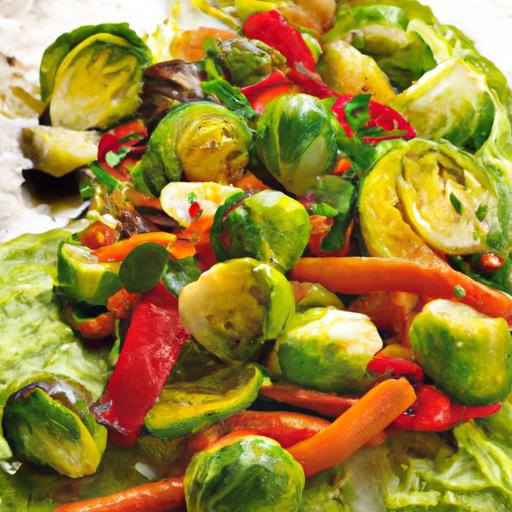

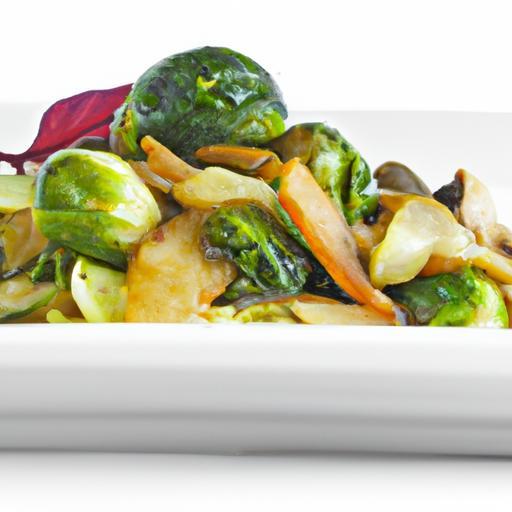
In a world where vibrant flavors and nutrient-packed meals reign supreme, steaming vegetables stands out as a timeless culinary technique that transforms humble greens into tender treasures. Mastering the art of steaming veggies isn’t just about cooking; it’s about unlocking the purest essence of nature’s bounty with simplicity and finesse. Whether you’re a kitchen newbie or a seasoned cook seeking to elevate your vegetable game, this guide will walk you through the effortless steps to achieve perfectly steamed veggies every time-crisp, colorful, and bursting with life. Get ready to embrace a cooking method that’s as gentle on your ingredients as it is kind to your health.
Choosing the Right Vegetables for Perfect Steam Texture
Mastering the art of steaming veggies starts with selecting the freshest vegetables that naturally hold their shape and texture when gently cooked by steam. Crunchy carrots, tender yet firm asparagus, vibrant broccoli florets, and delicate snap peas are all stellar choices. These vegetables absorb steam’s gentle heat without becoming mushy, retaining their vibrant colors and natural sweetness. For softer veggies like zucchini or mushrooms, cut them thicker to avoid overcooking and becoming waterlogged.
When choosing vegetables, look for firm, unblemished surfaces and radiant colors-these usually translate into flavor-packed results.root vegetables like turnips and beets work beautifully but benefit from a slightly longer steaming time,whereas leafy greens such as spinach require only a brief steam to maintain their delicate texture and nutrients.
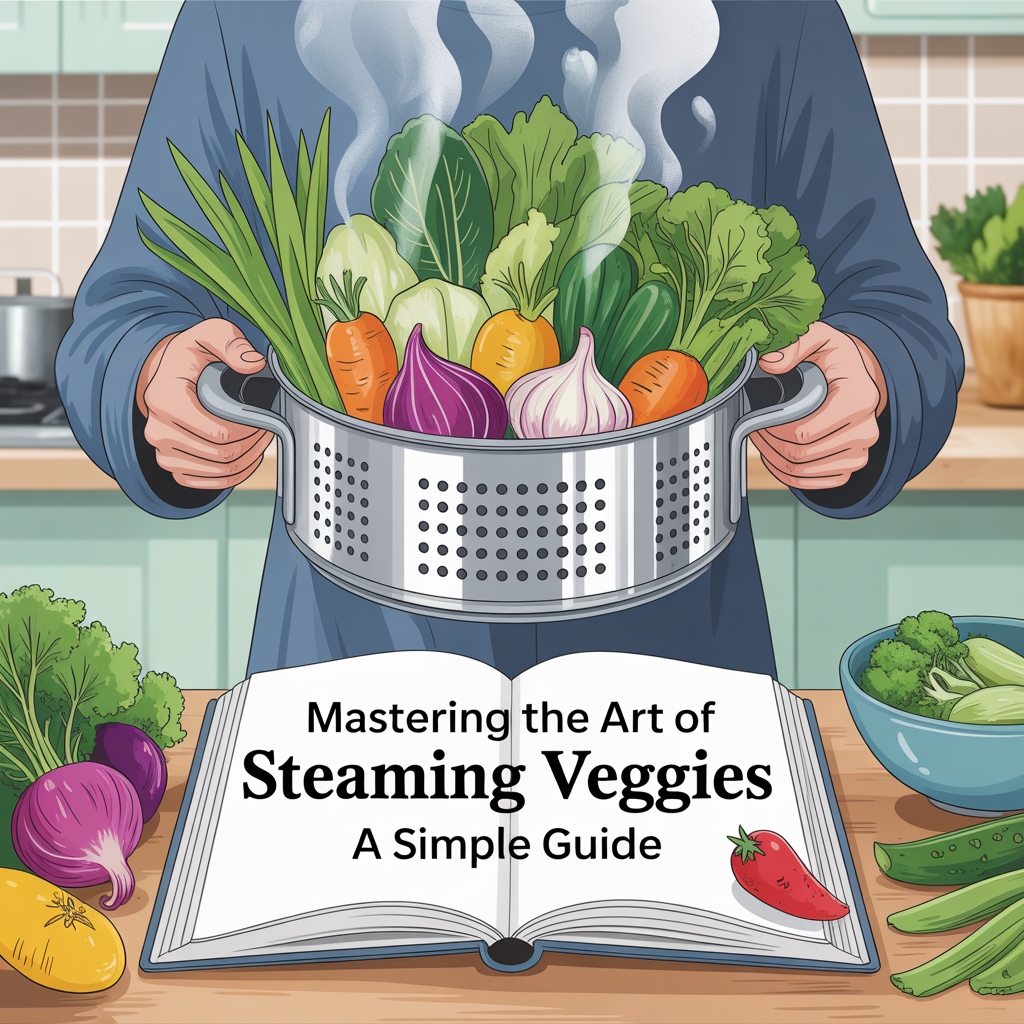
Essential Tools and Techniques to Steam Like a Pro
To truly unlock the potential of your steamed vegetables, equip yourself with basic yet efficient tools. A bamboo steamer basket offers excellent airflow and lends a subtle aromatic quality, traditional in Asian kitchens. Alternatively, stainless steel steaming racks or electric steamers provide reliable temperature control and easier cleanup.
Technique is just as critically important as tools. Start with boiling water in a covered pot to trap steam, then place vegetables evenly in a single layer for consistent cooking. Avoid stacking them, which blocks steam circulation and leads to uneven textures. Timing varies; dense vegetables can take 10-12 minutes, while delicate greens need just 2-4 minutes. Always test with a fork for tenderness-vegetables should be crisp-tender, never mushy.
Unlocking Flavor Secrets with Herbs and Seasonings
Steaming doesn’t dilute flavor; it enhances it when paired with the right herbs and seasonings.Add fresh sprigs of thyme, rosemary, or dill directly to the steaming water or scatter aromatic garlic cloves around your veggies to infuse gentle fragrance as they cook. A sprinkle of sea salt and freshly ground black pepper post-steam balances and brings out natural sweetness.
for a zesty twist, a splash of lemon juice or a drizzle of high-quality olive oil instantly after steaming brightens the dish. Toasted sesame seeds and a pinch of chili flakes introduce texture and a hint of heat, transforming humble steamed vegetables into a elegant side dish. For bold profiles, experiment with a dash of smoked paprika or a sprinkle of nutritional yeast for umami depth.
creative Serving Ideas to Elevate Your Steamed Veggie Dishes
Presentation elevates enjoyment.Serve steamed vegetables over fluffy quinoa or brown rice, topping with toasted nuts like almonds or pine nuts for crunch. A dollop of tangy Greek yogurt mixed with fresh herbs creates a refreshing accompaniment.Alternatively,arrange steamed veggies in vibrant layers on a platter,drizzled with a bright vinaigrette or miso glaze to impress guests.
For a fun fusion, combine steamed broccoli and carrots with stir-fried tofu and a splash of tamari.Garnish with finely sliced scallions or microgreens for a restaurant-worthy finish. Remember,colorful plating-mixing oranges,greens,and yellows-makes the plate visually irresistible and invites hungry diners to savor each bite.
Prep and Cook Time
- Readiness: 10 minutes
- Cooking: 8-15 minutes depending on vegetable choices
- Total Time: 20-25 minutes
Yield
Serves 4 as a side dish
Difficulty Level
Easy – perfect for all skill levels
Ingredients
- 2 cups broccoli florets, washed and trimmed
- 1 cup baby carrots, peeled
- 1 cup asparagus tips, trimmed
- 1 cup snap peas, ends removed
- 2 cloves garlic, peeled and smashed
- 2 sprigs fresh thyme
- 1 tablespoon olive oil
- Salt and freshly ground black pepper, to taste
- 1 teaspoon lemon zest
- Optional garnish: toasted sesame seeds, chopped parsley
Instructions
- Prepare your steamer: Fill the bottom of a pot with 2 inches of water. Add smashed garlic cloves and thyme sprigs to infuse steam with fresh aroma. Bring water to a rolling boil over medium-high heat.
- Arrange vegetables: Place broccoli, baby carrots, asparagus tips, and snap peas in a single layer inside a bamboo steamer basket or stainless steel steamer insert. Avoid overcrowding to ensure even cooking.
- Steam the veggies: Carefully position the basket over boiling water and cover with a tight-fitting lid. Steam for 8-12 minutes-test tenderness by piercing with a fork. broccoli and carrots should be tender but still crisp.
- Season and finish: Remove the basket from heat and transfer vegetables to a serving bowl. immediatly drizzle with olive oil, sprinkle salt, pepper, and lemon zest. Toss gently to combine and distribute flavors evenly.
- Garnish and serve: Sprinkle with toasted sesame seeds and fresh parsley if using. Serve warm as a vibrant,nutrient-packed side.
Tips for Success
- Timing varies: Adjust steaming time depending on vegetable size and density; always test early to avoid mushiness.
- Make-ahead: Steam veggies ahead and refrigerate in an airtight container. Reheat gently with a quick steam or sauté to maintain texture.
- Herb infusion: Add fresh herbs or citrus zest to the steaming water for subtle, complex aroma without overpowering the veg.
- Experiment: Try different combinations of veggies and seasonings – fennel, cauliflower, or green beans make marvelous additions.
- For crunch: Finish with a sprinkle of toasted nuts or seeds for exciting texture contrast every time.
Serving Suggestions
- Serve over a bed of herbed quinoa or fluffy couscous for a wholesome meal.
- Top with a tangy lemon-tahini sauce or creamy avocado dressing for richness.
- Pair with grilled proteins like salmon or chicken for a balanced plate.
- Use as filling for vibrant spring rolls or fresh summer wraps.
- Garnish with edible flowers or microgreens to enhance visual appeal and texture.
| Nutritional Info (per serving) | Calories | Protein | Carbs | Fat |
|---|---|---|---|---|
| Steamed Vegetables | 85 kcal | 4 g | 15 g | 3.5 g |
Learn more steaming techniques from Simply Recipes.
For more tips on vegetable preparation, check out our detailed Vegetable Preparation Guide.

Q&A
Q&A: Mastering the Art of Steaming Veggies – A Simple Guide
Q1: Why choose steaming over other cooking methods for vegetables?
A: Steaming is like giving your veggies a gentle spa treatment. Unlike boiling or frying, it preserves nutrients, vibrant colors, and natural flavors by cooking them with moist heat. This technique keeps your vegetables crisp-tender and full of life-no soggy remnants or vitamin loss here!
Q2: What equipment do I need to start steaming vegetables?
A: The must-have tool is a steamer basket or insert, which can fit inside a pot or pan. If you don’t own one, a metal colander or sieve that fits snugly over simmering water works just as well.For the gadget-enthusiast, electric steamers or bamboo steamers add effortless elegance.
Q3: How do I know when my veggies are perfectly steamed?
A: Think of steaming as a timed dance-the veggies soften yet still have a pleasant snap.Test with a fork or sharp knife: it should meet gentle resistance but slide in easily. Overdone veggies turn mushy and lose charm, so keep your eyes and taste buds tuned in.
Q4: Can all vegetables be steamed the same way?
A: Each veggie has its own personality! Root vegetables like carrots or potatoes need a longer steam session (10-15 minutes),while tender greens like spinach or asparagus take just a few minutes (2-5 minutes). Cutting veggies into uniform sizes helps them cook evenly like a well-rehearsed orchestra.
Q5: How can I elevate the flavor of steamed veggies?
A: Steamed veggies love a partner in flavor! Sprinkle with fresh herbs, drizzle with a squeeze of lemon, or toss with a dash of olive oil and sea salt right after cooking. For a flavor boost, steam veggies over broth instead of plain water or add aromatics like garlic and ginger to the steaming water for subtle infusion.
Q6: Is steaming healthy for all diets?
A: Absolutely! Steaming is a heart-friendly, low-calorie, nutrient-preserving method perfect for any diet-from vegan to paleo.It’s a great way to spotlight veggies as star dishes or vibrant sidekicks without added fats or harsh chemicals.
Q7: Any pro tips for the steaming rookie?
A: Start with fresh, crisp veggies. Don’t overcrowd the steamer basket-air circulation is the magic behind gentle,even cooking. Keep the water at a simmer, not a rolling boil, to maintain delicate steam. And always capture that veggie Zen: patience and practice lead to perfection.
Steaming veggies isn’t just cooking; it’s an art form you can master easily. With these tips, your veggies will sing with natural goodness, turning everyday meals into colorful celebrations of health and flavor.
Insights and conclusions
As you embrace the gentle rhythm of steaming, you’re not just cooking-you’re unlocking a world where vibrant colors stay radiant, nutrients remain intact, and flavors unfold with a delicate whisper. mastering the art of steaming veggies transforms a mundane kitchen task into a mindful ritual, inviting you to savor the simplicity and elegance of nature’s bounty. So, next time you lift that steamy lid, remember: you’re nurturing health, taste, and creativity all in one graceful move. Happy steaming!