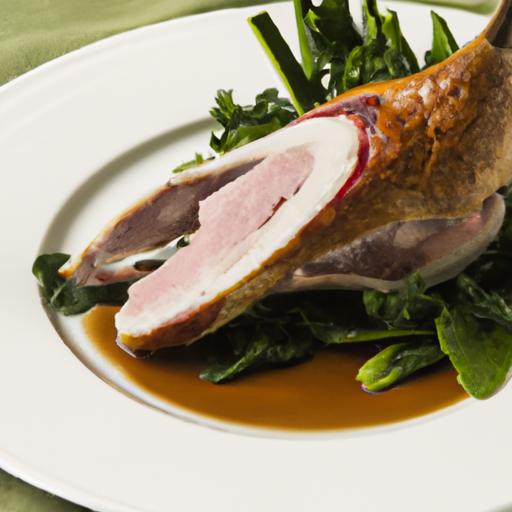

 e’s something undeniably irresistible about duck breast-the way its rich, gamey flavor dances on the palate, complemented by a skin that crackles with golden, buttery crispness. Yet, achieving that flawless balance between a perfectly crisp exterior and tender, juicy meat can be a culinary challenge even for seasoned cooks. Whether you’re a curious home chef or a seasoned gastronome, mastering duck breast is an art that transforms a simple meal into an exquisite experience. In this article, we’ll explore essential tips and techniques to help you unlock the secrets of preparing duck breast that’s crispy on the outside and luscious on the inside-turning every bite into a masterpiece of savory delight.
Mastering Duck Breast: Tips for Perfectly Crisp, Juicy Meat
Mastering duck breast to achieve that exquisite harmony of a crispy, golden skin paired with succulent, juicy meat is a true culinary art. This rich, flavorful cut has roots in French cuisine but has gracefully found a home on tables worldwide, celebrated for its deep, slightly gamey taste and luxurious texture. Whether you’re preparing a festive dinner or an indulgent weeknight meal, understanding how to choose, prepare, and cook duck breast with precision will elevate your dish from ordinary to unforgettable.
Prep and Cook Time
- Preparation: 10 minutes
- Cooking: 20 minutes
- Total Time: 30 minutes
yield
Serves 2 generous portions
Difficulty Level
medium – requires careful attention but well within reach for confident home cooks
Ingredients
- 2 duck breasts, skin on (about 6-7 oz each), trimmed of excess fat
- 1 teaspoon kosher salt
- ½ teaspoon freshly ground black pepper
- 1 teaspoon five-spice powder (optional, for subtle warmth)
- 1 tablespoon vegetable oil or duck fat
- Fresh thyme sprigs (optional for aromatics)
- 2 garlic cloves, smashed (optional)
Instructions
- Score the skin: Using a sharp knife, gently score the duck breast skin in a crosshatch pattern, cutting through the fat but not into the meat. This increases fat rendering and ensures maximum crispiness.
- Season thoroughly: Sprinkle kosher salt, black pepper, and if desired, five-spice powder evenly on both sides.Pat the seasoning into the skin and flesh for a well-infused flavor profile.
- Start cooking skin-side down: Heat a cold skillet over medium heat and place the duck breasts skin-side down without oil (the duck fat will render out). This slow start helps to gradually render the fat while crisping the skin perfectly.
- Render the fat patiently: Cook for 8-12 minutes, periodically spooning out excess rendered fat into a separate container.The skin should turn deep golden brown and crisp – this step is crucial for achieving that ideal texture.
- Flip and finish: Turn the duck breasts over and add the garlic cloves and thyme to the pan for added aroma. Sear the flesh side for 3-5 minutes until the internal temperature reaches 135°F (57°C) for medium-rare.
- Rest properly: Remove the duck breasts from the pan and let them rest on a warm plate, tented loosely with foil, for 5 to 7 minutes. Resting allows juices to redistribute, ensuring tender, juicy meat.
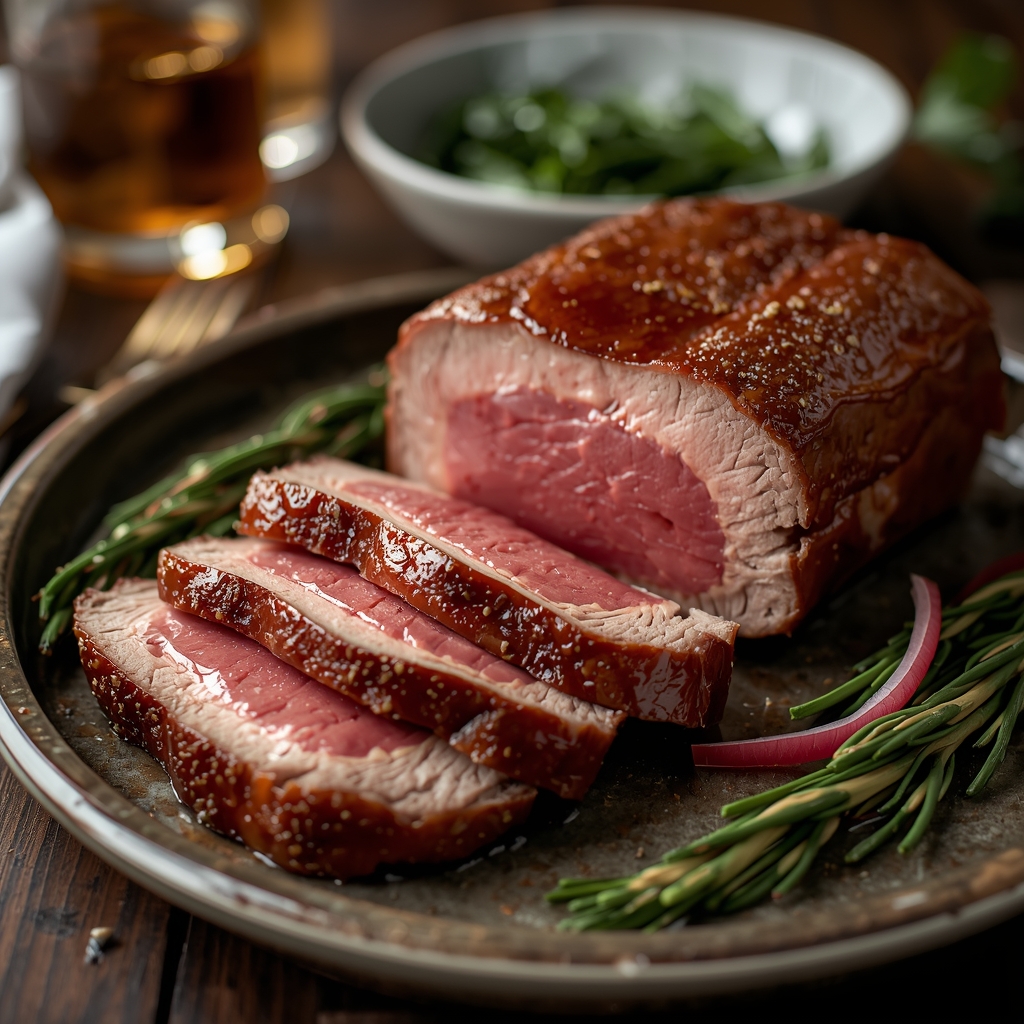
- Slice and serve: Slice the duck breast thinly against the grain, arranging on a serving platter. Drizzle a bit of the reserved duck fat or pan juices for added richness.
Tips for Success
- Choosing the right duck breast: Look for plump breasts with firm, unblemished skin and consistent marbling of fat beneath.Freshness is key for best flavor and texture.
- Rendering fat perfectly: Starting with a cold pan allows the fat to melt slowly without burning the skin. Avoid high heat initially, which risks toughening the meat.
- Balancing crispiness and juiciness: Monitor internal temperature with a meat thermometer – overcooking leads to dryness, while undercooking risks chewy textures.
- Make-ahead strategies: You can season the duck breasts up to an hour ahead and keep them chilled, allowing flavors to penetrate the meat deeper.
- Substitution tip: If duck fat is unavailable, use a neutral oil like vegetable or grapeseed oil, but the richness will be mild compared to rendered duck fat.
Serving Suggestions
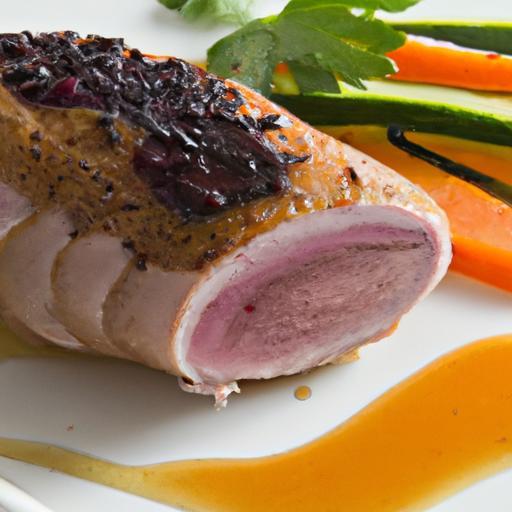
Present your sliced duck breast atop a bed of creamy parsnip purée or alongside roasted root vegetables glazed with a touch of balsamic vinegar. Garnish with fresh thyme sprigs, fresh pomegranate seeds for a burst of color, or a drizzle of tart cherry sauce to complement the rich meat. For an elegant finish, a sprinkle of flaky sea salt on the skin adds a delightful crunchy contrast.

| Nutrient | Per Serving |
|---|---|
| Calories | 450 |
| Protein | 35g |
| Carbohydrates | 0g |
| Fat | 33g |
For more on cooking techniques that perfect meat textures, check out our guide to perfect steak cooking methods. To understand the science behind fat rendering in poultry, visit Serious Eats’ detailed explanation.
Q&A
Q&A: Mastering Duck Breast – Tips for Perfectly crisp, Juicy Meat
Q1: Why is duck breast such a special choice of meat?
A: Duck breast strikes a delicious balance between rich, flavorful red meat and subtly gamey notes. Its high fat content makes it a culinary gem, offering a crispy skin experience while locking in juicy, tender meat beneath. When cooked properly, it elevates any meal from ordinary to extraordinary.
Q2: What’s the secret to achieving that perfectly crisp skin?
A: The magic lies in rendering the fat slowly and patiently. Score the skin in a diamond pattern without cutting into the meat, then start cooking skin-side down in a cold pan. This gradual cooking melts the fat evenly,crisps the skin beautifully,and keeps the meat moist.
Q3: Should I season the duck breast before or after cooking?
A: Season generously with salt and pepper before cooking to enhance flavor and help draw out moisture from the skin for extra crispness.You can also add herbs or spices depending on your flavor preference, but keep it simple to let the duck’s natural taste shine.
Q4: How can I tell when the duck breast is perfectly cooked?
A: Aim for medium-rare to medium doneness – roughly 135°F (57°C). The meat should be pink and succulent inside with a crisp, golden-brown skin. Overcooking leads to dryness and toughness, so use a meat thermometer or time it carefully: usually 6-8 minutes skin-side down, a few minutes on the othre side.
Q5: Is resting the duck breast really necessary?
A: Absolutely. Let the meat rest for 5-10 minutes after cooking. this allows the juices to redistribute evenly,ensuring every bite is juicy and tender rather than dry or stringy.
Q6: What are some classic accompaniments or sauces that complement duck breast?
A: Duck pairs wonderfully with fruity, acidic flavors that cut through its richness. Think blackberry or cherry sauce, orange glaze, or a tangy balsamic reduction.Earthy sides like wild mushrooms, lentils, or roasted root vegetables are also excellent choices.
Q7: Can I reheat duck breast without losing its texture?
A: Reheating duck breast risks soggy skin and dry meat, but it’s doable. Gently warm in a low oven or a skillet, skin-side up, to gradually re-crisp the skin without overcooking the flesh. Avoid microwaves, as they can toughen the meat.
Mastering duck breast is about respecting its unique anatomy and flavor-a bit of technique, a dash of patience, and a keen palate. Nail that crispy skin and juicy interior, and you’ll transform duck from a special occasion dish to an everyday delight.
Closing Remarks
Mastering duck breast is a culinary journey that rewards patience,precision,and a touch of flair. With every perfectly crisp skin and tender, juicy bite, you not only elevate a simple ingredient but also transform your kitchen into a stage where flavor and technique dance in harmony.Remember, it’s the careful balance of heat, timing, and seasoning that turns this rich bird into a masterpiece worth savoring.So, armed with these tips, step confidently into your next cooking adventure-because the secret to duck perfection is now firmly in your hands.