
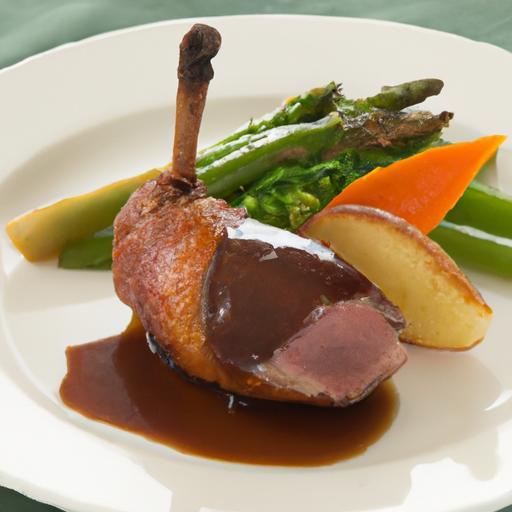
There’s something undeniably captivating about duck breast-the rich, succulent meat boasting a crispy, golden skin that promises a symphony of flavors with every bite. Yet, many home cooks hesitate at the sight of this elegant ingredient, unsure how to unlock its full potential. In this article, we’ll demystify the art of preparing duck breast, guiding you through each meticulous step to achieve that perfect balance of tender juiciness and mouthwatering crispiness. Whether you’re a seasoned chef or a culinary adventurer, mastering duck breast is your gateway to elevating any dinner into a gourmet experience. Let’s dive in and transform this luxurious ingredient from intimidating to irresistible.
Mastering Duck Breast is an exquisite culinary journey that transforms simple ingredients into a succulent and crispy delight. Sourcing the ideal duck breast sets the foundation for a dish that’s rich in flavor and tender in texture. With roots in classic French cuisine, duck breast is revered for its balance of crispy skin and luscious meat-making it a favorite for both festive occasions and intimate dinners. Whether you’re a seasoned chef or an excited home cook, learning the nuances of scoring, seasoning, and searing will elevate your duck breast to stunning gourmet heights.
Prep and Cook Time
- Preparation Time: 15 minutes
- Cooking Time: 15 minutes
- Total Time: 30 minutes
Yield
- Serves 2
Difficulty Level
- Medium – Perfect for cooks comfortable with pan-searing techniques
Ingredients
- 2 duck breasts (skin on, approximately 6-7 oz each)
- 1 teaspoon kosher salt
- ½ teaspoon freshly cracked black pepper
- 1 teaspoon fresh thyme leaves, finely chopped
- 1 garlic clove, lightly smashed
- 1 tablespoon unsalted butter
- 1 teaspoon vegetable oil (high smoke point)
Instructions
- Selecting the Ideal Duck breast: Begin with fresh, firm duck breasts that have a thick layer of fat beneath the skin. Look for skin that’s pale and evenly distributed, avoiding any tears or discolorations for the best taste and texture.
- Mastering the Art of Scoring: Using a sharp knife, carefully score the duck skin in a crisscross pattern. Make shallow cuts (about ¼ inch deep) without slicing into the meat. This technique allows the fat to render beautifully and the skin to crisp to golden perfection.
- Seasoning to Elevate Flavor: Generously rub kosher salt, freshly peppered black pepper, and chopped thyme into both sides of the breasts.The salt and herbs infuse the meat while the seasoning enhances the natural richness of the duck.
- Preheating the Pan: Place a heavy-bottomed skillet over medium heat. Add the vegetable oil, ensuring it’s hot but not smoking. This will prevent sticking while encouraging an even crisp on the skin.
- Searing for Crispy Skin: Lay the duck breasts skin-side down in the dry skillet. Let them cook undisturbed for about 6-8 minutes, allowing the fat to render and the skin to caramelize. As the fat melts, gently drain excess fat into a heatproof container (reserve for roasting potatoes or flavoring veggies).
- Flipping and finishing: Turn the breasts over and add butter, garlic, and thyme to the pan. Tilt the pan slightly and spoon the melted herbed butter over the meat for about 4-5 minutes, achieving a tender and juicy interior with a luscious aroma.
- Resting: Remove duck breasts from the pan and allow them to rest on a warm plate for 5-7 minutes. Resting unlocks juiciness and lets the fibers relax, ensuring every bite is tender and flavorful.
chef’s Notes
- For an extra smoky touch, add a small sprig of rosemary during the butter basting step.
- Duck breast tastes beautifully with a fruit glaze or sauce-try a cherry or orange reduction for vibrant contrast.
- If scoring seems daunting, use a razor-sharp knife and take your time; the precision impacts the cooking outcome dramatically.
- Make-ahead tip: Season the duck breasts up to 2 hours in advance and let them rest uncovered in the fridge to dry the skin for more crispness.
Serving Suggestions
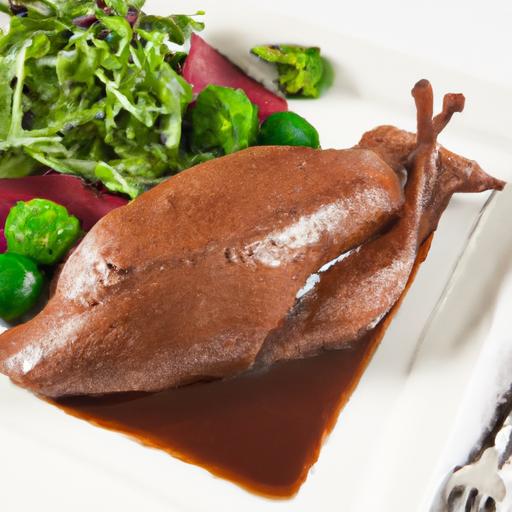
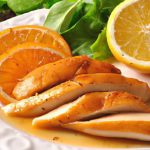
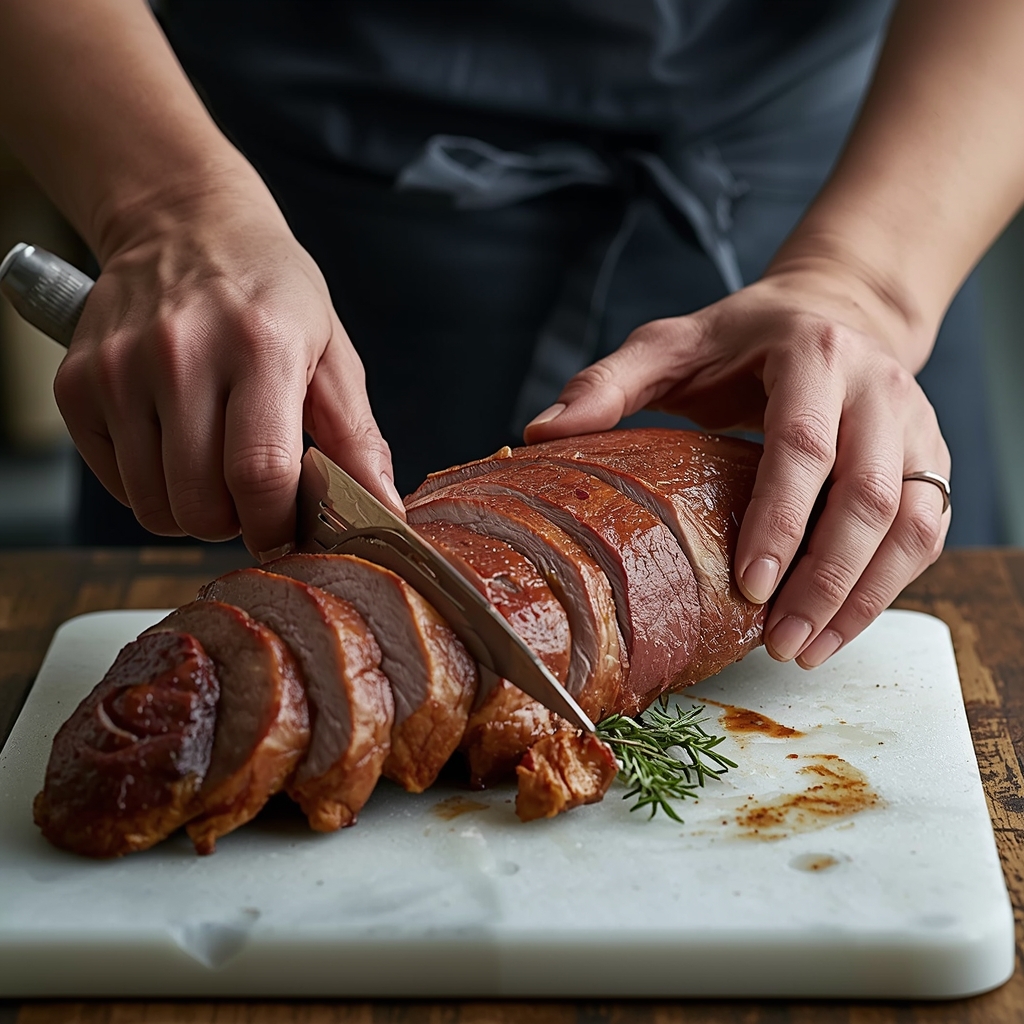
Slice the rested duck breast thinly against the grain to showcase the rosy, tender center contrasted by the golden skin. Present on warm plates with a drizzle of pan juices or a shining fruit sauce.Accompany with creamy mashed potatoes, grilled asparagus, or a light arugula salad tossed in lemon vinaigrette. Garnish with fresh thyme sprigs or pomegranate seeds for a festive pop of color and freshness.

| Nutrient | Amount per Serving |
|---|---|
| Calories | 350 kcal |
| Protein | 28 g |
| Carbohydrates | 0 g |
| Fat | 26 g |
For more inspiration, read our detailed guide to perfect side dishes. Expanding your culinary knowledge? Explore proper meat doneness and explain why rest time is crucial on Serious Eats.
Q&A
Q&A: Mastering Duck breast-Step-by-Step prep for Perfect Flavor
Q1: Why is duck breast such a special cut compared to other poultry?
A: Duck breast is unique because of its rich, gamey flavor and luscious fat layer. Unlike chicken or turkey, duck has a denser meat with a silky texture and a thick skin that crisps beautifully when prepared right, offering a complex taste experience that’s both savory and slightly sweet.
Q2: What’s the very first step to prepare duck breast for cooking?
A: Start by scoring the skin. Use a sharp knife to make shallow, crisscross cuts just through the skin and fat, but not into the meat. This allows the fat to render out during cooking and helps the skin crispen to an irresistible golden brown. It also encourages flavors to penetrate deeply.
Q3: How crucial is seasoning, and when should you season the duck breast?
A: Seasoning is paramount-but simple is best.Salt and pepper right before cooking to enhance the natural flavors without drawing out moisture too early. As duck has such a robust taste, it doesn’t require heavy spices; a sprinkle of herbs or a touch of five-spice powder can complement but not overpower.
Q4: What cooking method brings out the perfect flavor and texture in duck breast?
A: Pan-searing is the gold standard. Start skin-side down in a cold pan to gradually render fat, cooking low and slow until the fat crisps up. Then flip and finish cooking just until the meat reaches medium-rare or medium, preserving its tenderness and juiciness.
Q5: How do you know when duck breast is perfectly cooked?
A: Look for a rich, mahogany crust on the skin and a blush-pink center when sliced. Use a meat thermometer for precision-aim for about 135°F (57°C) for medium-rare. Remember, the meat will continue to cook slightly after resting.
Q6: Why is resting duck breast important after cooking?
A: Resting lets the juices redistribute throughout the meat, ensuring every bite is juicy and flavorful rather than dry. Cover loosely with foil and rest for 5-10 minutes before slicing.
Q7: What flavors pair beautifully with duck breast to elevate the dish?
A: Duck’s rich profile loves complementary contrasts-think tart fruit sauces (such as cherry, orange, or pomegranate), earthy root vegetables, or a drizzle of balsamic reduction. These bright, acidic accents cut through the fat and balance richness beautifully.
Q8: any insider tips for beginners mastering duck breast?
A: Absolutely! Pat the skin dry before cooking to ensure maximum crispiness. don’t rush the fat rendering-low and slow wins the day.And slice thinly against the grain for the best tenderness. Each step is a brushstroke in your culinary masterpiece.
Mastering duck breast is part technique, part patience, and all about celebrating its unique flavor and texture. Follow these steps, and you’ll transform an ordinary meal into an extraordinary dining experience.
Key Takeaways
Mastering duck breast is more than just following a recipe-it’s an invitation to explore rich flavors, textures, and techniques that elevate your cooking to new heights. With each carefully rendered step, from scoring the skin to achieving that perfect rosy pink center, you unlock the full potential of this luxurious ingredient. So next time you bring duck breast to your kitchen,remember that patience and precision are your best allies. Embrace the process, savor the aromas, and enjoy the delicious reward that comes with mastering this culinary art. Your taste buds-and your guests-will thank you.