
There’s something undeniably enchanting about duck breast – its rich, tender meat and crispy, golden skin create a culinary experience that dances on the palate. Yet, mastering this exquisite cut can intimidate even seasoned home cooks.Fear not: with the right techniques, a touch of patience, and a sprinkle of culinary no-how, you can transform duck breast from a restaurant delicacy into a centerpiece of your own kitchen creations. In this delicious guide, we’ll explore the art and science of cooking duck breast to perfection, unlocking secrets that ensure every bite is a harmonious blend of flavor, texture, and elegance. Prepare to elevate your cooking and impress your guests with a dish that’s as satisfying to make as it is to savor.
Mastering Duck Breast: A Delicious Guide to Perfect Cooking
Mastering duck breast unlocks an exceptional blend of rich flavor and luxuriously crispy skin, elevating your culinary repertoire like no other ingredient. This magnificent cut, celebrated in French cuisine and embraced worldwide, boasts succulent meat with a velvety texture that pairs beautifully with bold or subtle accompaniments. Whether inspired by a weekend dinner party or the thrill of perfecting a classic, this guide will take you on an immersive journey through every essential step-from choosing the ideal duck breast, practicing expert trimming and scoring, to seasoning and cooking like a seasoned chef.
Prep and Cook Time
- Planning: 15 minutes
- Marinating (optional): 1-4 hours
- Cooking: 15-25 minutes
- Total Time: Approximately 45 minutes to 1 hour 15 minutes
yield
Serves 2 elegantly (adjust proportions as needed)
Difficulty Level
Medium – Perfect for home cooks eager to explore professional techniques.
Ingredients
- 2 duck breasts (about 6-8 oz / 170-230 g each), skin on and preferably fresh
- 1 tbsp coarse sea salt
- 1 tsp freshly ground black pepper
- 1 tsp smoked paprika (optional for a subtle smoky touch)
- 2 garlic cloves, smashed
- 2 sprigs fresh thyme or rosemary
- 1 tbsp olive oil or duck fat
- 1 tbsp honey or maple syrup (optional, for glaze)
- juice of half a lemon (optional, added after cooking for brightness)
Instructions
- Selecting the Ideal Duck Breast: Choose breasts with a thick layer of even skin and firm, deep red flesh. Freshness is key; the skin should be pale and unblemished, not discolored or sticky.This ensures optimal fat rendering and a tender bite.
- Trimming the Duck Breast: With a sharp paring knife, carefully trim excess fat from the edges without cutting into the skin layer. Remove any sinew or silver skin on the underside for a cleaner bite.
- Scoring the Skin: Using a sharp knife, lightly score the skin in a diamond pattern. Be cautious not to cut into the meat; just pierce the skin and fat. This intensifies fat rendering and delivers that signature crackly exterior.
- Seasoning: Generously sprinkle sea salt, black pepper, and smoked paprika evenly over both sides. Press seasoning into the scored skin gently to infuse flavor deep into the fat.
- Marinating (optional): For a more pronounced taste, marinate with smashed garlic, thyme sprigs, and a dash of olive oil for 1-4 hours in the refrigerator, covered.
- Cooking – Pan-Searing: Heat a heavy skillet over medium-low heat. Place duck breasts skin-side down-no added oil necessary as the fat will render. Cook slowly for 8-12 minutes until skin is crisp and rich golden-brown,spooning rendered fat over the top occasionally.
- Flip and Finish: Turn breasts over and sauté the meat side for 3-5 minutes until it reaches your preferred doneness (medium rare is recommended, about 135°F / 57°C internal temperature).
- Resting: Transfer to a warm plate, cover loosely with foil, and rest for 5-7 minutes to redistribute juices.
- Optional Glaze: Warm honey or maple syrup in the pan with lemon juice for 1 minute, then drizzle over the sliced duck for a glossy finish and subtle sweetness.
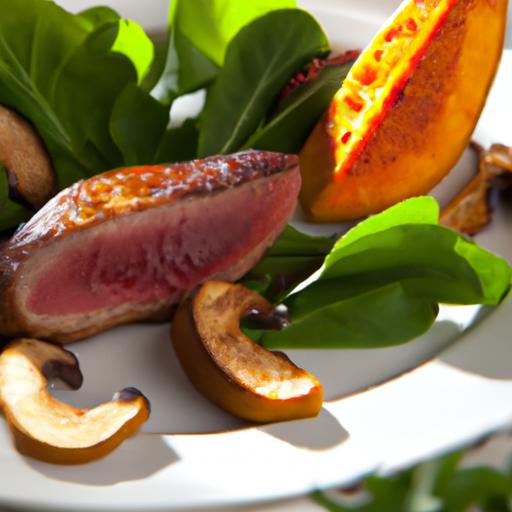
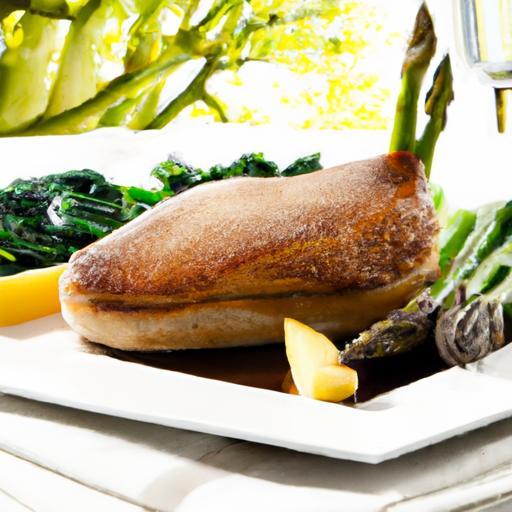
- Serving: Slice thinly against the grain and arrange on your favourite plate for a stunning presentation.
Chef’s Tips for success
- Consistency in Skin Scoring: Don’t rush scoring-shallow, deliberate cuts ensure fat renders without drying the meat.
- Keep the Heat Controlled: using medium-low heat is critical for slow fat melt and crisp skin without burning.
- Rest the Meat: Resting is non-negotiable; it locks in juices and delivers buttery tenderness.
- Fat Rendering Use: Save the rendered duck fat and use it for roasting potatoes or sautéing vegetables-it’s liquid gold!
- Make-Ahead: Season and score up to 4 hours in advance, then keep refrigerated. Bring to room temperature 15 minutes before cooking.
Serving Suggestions
Mastering duck breast opens endless possibilities.Serve with a vibrant cherry compote or tangy citrus reduction for contrast. Pair alongside creamy mashed potatoes, roasted root vegetables, or a crisp fennel salad to balance richness. Garnish with fresh thyme sprigs and a crack of freshly ground black pepper for elegance.A glass of Pinot Noir or medium-bodied Syrah beautifully complements the natural gaminess and texture.

| Nutrient | Per Serving (1 Duck Breast) |
|---|---|
| Calories | 400 kcal |
| Protein | 34 g |
| Carbohydrates | 0 g |
| Fat | 28 g |
For a comprehensive guide on sauce pairings to perfect duck dishes, check out our Duck Sauces Pairing Guide.To deepen your understanding of sous vide techniques, this Serious Eats Sous Vide Guide is an invaluable resource.

Q&A
Q&A: Mastering Duck Breast – A Delicious Guide to Perfect Cooking
Q1: Why choose duck breast over other poultry for a special meal?
A1: Duck breast offers a rich, succulent flavor that stands out from the usual chicken or turkey. Its delicate balance of tender meat and crispy skin creates a luxurious culinary experience that elevates any meal from ordinary to extraordinary.
Q2: What’s the secret to getting perfectly crispy duck skin?
A2: Patience and cold start are key! Score the skin gently, then place the duck breast skin-side down in a cold pan. Slowly heat it to render out the fat without burning. This approach yields irresistibly crispy skin with a golden-brown crunch.
Q3: How do I avoid overcooking duck breast?
A3: Duck breast is best enjoyed medium-rare to medium. Use a meat thermometer to pull it off the heat at 130°F (54°C). The residual heat will carry it to a juicy,tender finish without drying it out.
Q4: Should I trim the fat from the duck breast before cooking?
A4: Resist the urge! That fat renders into liquid gold during cooking,basting the meat and enhancing its flavor. Just score the fat to help it melt evenly, and let the magic happen.
Q5: What’s a simple yet impressive sauce to pair with duck breast?
A5: A classic orange glaze or a red wine reduction with a hint of berry sweetness complements duck beautifully. The citrus or fruity notes cut through the richness,balancing each bite perfectly.
Q6: Can I prepare duck breast ahead of time?
A6: Absolutely! You can season and score the breasts a few hours before cooking. If cooking ahead, sear the skin and finish in the oven, then refrigerate. Reheat gently to maintain texture and moisture.
Q7: Any tips for side dishes that highlight duck breast?
A7: Think bold and radiant-roasted root vegetables, creamy mashed potatoes, or a fresh arugula salad with a tangy vinaigrette provide textural contrast and amplify the dish’s flavors.
Q8: Is duck breast difficult for home cooks?
A8: Not at all! With a few mindful steps-scoring the skin, controlling the heat, and knowing your preferred doneness-any home cook can master this show-stopping dish with confidence.
Dive into mastering duck breast, and unlock a world of gourmet flavors right in your own kitchen. Happy cooking!
The Way forward
As you close the chapter on mastering duck breast, remember that the perfect sear and juicy center are just the beginning of a flavorful journey. With these tips and techniques in your culinary arsenal, you’re now equipped to transform a humble cut into a show-stopping centerpiece worthy of any table. Whether you crave crisp skin or tender pink flesh, patience and practice will turn each duck breast into a deliciously satisfying masterpiece. So go ahead-embrace the art of duck, experiment boldly, and savor every sumptuous bite that follows. Your taste buds are in for a treat!