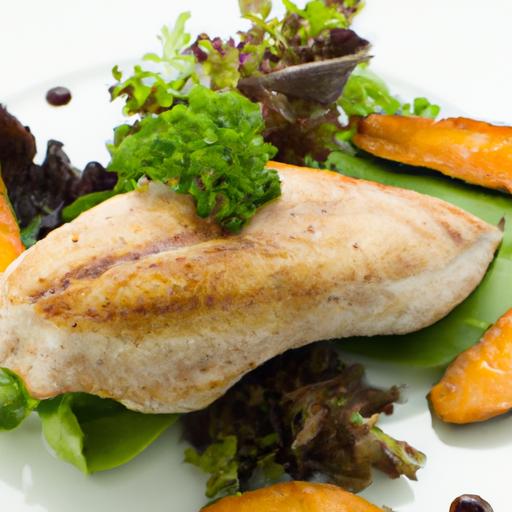

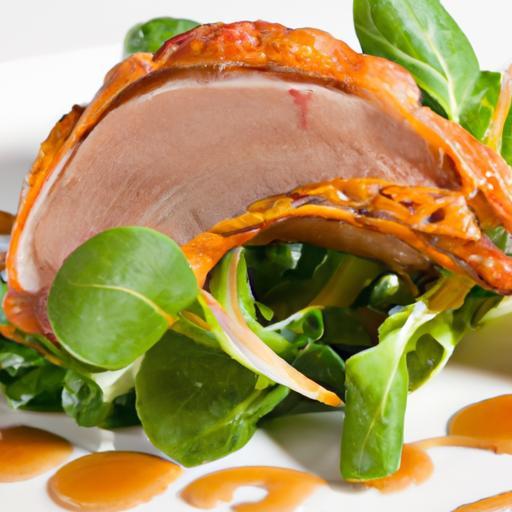
There’s something undeniably enchanting about the rich, succulent allure of duck breast-a delicacy that promises a symphony of flavors with every bite.Yet, for many home cooks, the challenge lies not in obtaining this prized ingredient but in unlocking its full potential without a hitch.Mastering duck breast is an art, a delicate balance between crisp, golden skin and tender, juicy meat beneath. In this flavorful guide, we will embark on a culinary journey to demystify the secrets of perfect duck breast cooking. From selecting the right cut to mastering techniques that bring out its deep, robust character, prepare to elevate your kitchen prowess and impress your palate with every dish.
Understanding Duck Breast Selection and Preparation for Optimal Flavor
Mastering duck breast starts with selecting the right cut-vital to unlocking the full potential of this rich, versatile protein. When you seek duck breast at the market, look for firm, plump breasts with a thick layer of creamy white fat beneath the skin. A good-quality duck breast offers a balance of fat and lean meat, as the fat is crucial for achieving that coveted crispy skin and juicy interior. Opt for fresh duck breast with skin on and bones removed unless a bone-in recipe is specified for added flavor complexity.
Before cooking, give your duck breasts a gentle score in a crisscross pattern on the skin, taking care not to cut into the meat. This step allows the fat to render evenly, producing a golden, tantalizingly crisp crust while preserving tender, succulent meat beneath.
Unlocking the Secrets to Achieving Crispy Skin and Juicy Meat
Success lies in rendering the duck fat slowly. Start with a cold pan-this prevents rapid burning and encourages even fat release.Place the duck breast skin-side down, applying gentle pressure to ensure full skin contact. Cook over medium-low heat for 8-12 minutes until the skin is deep golden and crisp. As the fat melts away, periodically spoon it off to prevent frying instead of crisping.
Flip the breasts to briefly sear the meat side for 1-2 minutes, then transfer to a preheated oven at 375°F (190°C) to finish cooking for 5-7 minutes, depending on your preferred doneness. Resting the duck breast under foil for 5 minutes is key-allowing the juices to redistribute ensures every bite bursts with moist flavor.
Flavor Pairings and Marinades that Elevate Your Duck Breast Experience
The rich, slightly gamey notes of duck breast crave bold, balanced flavor companions. Classic pairings include citrus elements like orange or pomegranate, which cut through the fat with luminous acidity.A marinade featuring soy sauce, garlic, ginger, and a touch of honey imparts an umami-sweet glaze that caramelizes beautifully during searing.
Consider herbs like thyme, rosemary, or star anise for aromatic depth, and add a splash of red wine or balsamic vinegar to your marinade for complexity. marinade for 30 minutes up to 4 hours for best results-too long can overpower the delicate meat.
Mastering Cooking Techniques from Pan-Seared to Oven-Roasted Perfection
Pan-searing combined with oven roasting is the hallmark technique for pristine duck breast.The initial pan sear crisps skin and renders fat; oven roasting gently finishes cooking without drying out the meat-ideal for consistent medium-rare results around 135°F (57°C).
For an option, try slow-cooking duck breasts sous-vide at 135°F (57°C) for 1-2 hours, followed by a rapid skin sear for ethereal tenderness and maximal juiciness.
Prep and Cook Time
- Prep Time: 15 minutes
- Cook Time: 20 minutes
- Total Time: 35 minutes
Yield
Serves 2 people
Difficulty Level
Medium
Ingredients
- 2 duck breasts, skin on, about 6-7 oz each
- 1 tsp kosher salt
- ½ tsp freshly cracked black pepper
- 1 tbsp honey (optional, for marinade)
- 2 tbsp soy sauce
- 1 tbsp fresh orange juice
- 1 garlic clove, minced
- 1 tsp fresh ginger, grated
- 1 tsp fresh thyme leaves
- 1 tbsp olive oil
instructions
- Score the skin of the duck breasts in a crisscross pattern about ¼ inch deep, being careful not to cut the meat.
- Combine the honey, soy sauce, orange juice, garlic, ginger, and thyme in a small bowl to create a marinade.
- Lightly season both sides of the duck breasts with salt and pepper, then place them skin-side down in a shallow dish. Pour marinade over and let rest for 30 minutes at room temperature or up to 4 hours refrigerated.
- Preheat your oven to 375°F (190°C).
- Remove duck from marinade, pat dry gently with paper towels (excess moisture prevents crispy skin).
- Heat a heavy skillet over medium-low and place duck breasts skin-side down. Cook for 8-12 minutes, gently pressing down so the skin renders evenly. remove excess rendered fat with a spoon as needed but reserve for roasting vegetables or making a sauce.
- Flip duck breasts and sear meat side for 1-2 minutes until browned.
- transfer skillet to the oven and roast for 5-7 minutes until internal temperature reaches 135°F (57°C) for medium-rare.
- Remove duck from oven and let rest covered loosely with foil for 5 minutes to redistribute juices.
- Slice thinly against the grain and drizzle with any pan juices or a prepared sauce of your choice before serving.
Tips for Success
- Do not rush the fat rendering-slow, gentle heat yields the crispiest skin without burning.
- Patting duck dry before searing is crucial for a golden crust.
- Use a meat thermometer to achieve perfect doneness; duck breasts can quickly become tough when overcooked.
- Save rendered duck fat and use it to roast potatoes or vegetables for added flavor.
- To make-ahead: cook duck breasts through the sear, then refrigerate. Reheat gently in the oven before serving for convenience.
Serving Suggestions
For a classic presentation, arrange sliced duck breast atop a bed of sautéed spinach or roasted root vegetables. Garnish with fresh orange segments or a vivid pomegranate glaze to enhance the citrus notes. Serve alongside creamy mashed potatoes or a wild mushroom risotto to complement the luxurious richness of the duck.
A sprinkle of toasted hazelnuts or a few sprigs of fresh thyme provide a textural contrast and aromatic lift that turns your plate into a masterpiece.

| Nutrient | Per Serving (1 Duck Breast) |
|---|---|
| Calories | 290 kcal |
| Protein | 23 g |
| Carbohydrates | 4 g |
| Fat | 20 g |
For more flavor-enhancing techniques, check out our guide to pan-seared steaks and explore how careful heat control can transform any protein. To learn about the history and culinary uses of duck, visit Food & Travel Guide’s Duck Cooking Tips.

Q&A
Q&A: Mastering Duck Breast – A Flavorful Guide to Perfect Cooking
Q1: Why is duck breast considered a delicacy in cooking?
A1: Duck breast combines rich, succulent meat with a crispy, flavorful skin, making it a unique taste experience. Unlike other poultry, duck has a higher fat content beneath its skin, which when rendered properly, enhances its tenderness and depth of flavor. This balance of textures and flavors elevates duck breast to a gourmet delight.
Q2: What’s the secret to achieving a perfectly crispy duck skin?
A2: the secret lies in patience and temperature control. Start by scoring the skin in a crosshatch pattern to allow the fat to render evenly. Cook the duck breast skin-side down in a cold pan, gradually increasing the heat to medium to slowly melt the fat without burning the skin. This slow rendering crisps up the skin beautifully while keeping the meat juicy.
Q3: How do you know when duck breast is perfectly cooked?
A3: Duck breast is best enjoyed medium-rare to medium for tenderness and flavor. Aim for an internal temperature of about 130-135°F (54-57°C). The meat should feel firm yet springy, with a slight rosy pink center. Overcooking leads to dryness, so use a meat thermometer or rely on feel for precise results.
Q4: What flavor pairings complement duck breast?
A4: Duck’s rich flavor pairs wonderfully with sweet, tangy, and earthy notes. Classic accompaniments include orange glaze, cherry reduction, red wine sauces, or balsamic vinegar. Root vegetables, wild mushrooms, and a touch of fresh herbs like rosemary or thyme also highlight duck’s complexity.
Q5: Can duck breast be cooked in ways other than pan-searing?
A5: Absolutely! While pan-searing is popular for its crisp skin and quick cooking time, duck breast shines in several preparations. It can be roasted, grilled, or even sous-vide followed by a quick sear for perfect control. Each method offers a slightly different texture and flavor profile, inviting culinary experimentation.
Q6: What common mistakes should be avoided when cooking duck breast?
A6: The biggest mistake is rushing the fat rendering, which can leave the skin rubbery or burnt. Another is overcooking the meat, resulting in dryness.Avoid overcrowding the pan to maintain even heat, and be sure to rest the duck briefly after cooking to allow juices to redistribute, ensuring moist, flavorful bites.
Q7: How vital is resting the duck breast after cooking?
A7: Resting is crucial. Allow the duck breast to rest for about 5-10 minutes after cooking. This step lets the juices redistribute evenly throughout the meat rather than spilling out when sliced. The result is a tender, juicy bite every time.
Mastering duck breast isn’t just about technique; it’s about embracing the luscious contrast between crisp skin and tender meat, and pairing it harmoniously with vibrant flavors. With these tips in your culinary arsenal, your duck breast will consistently emerge as the star of the plate.
Wrapping Up
As you close this flavorful chapter on mastering duck breast, remember that the art of cooking this exquisite protein lies in patience, precision, and a touch of culinary curiosity. Each step-from scoring the skin to achieving that perfect medium-rare blush-brings you closer to a dish that’s as rich in taste as it is in tradition. Whether you’re searing on a busy weeknight or impressing guests at a dinner party, the lessons shared here are your compass to unlock duck breast’s full potential. So don your apron, trust your instincts, and let every bite tell a story of delicious mastery. Happy cooking!