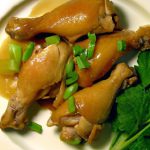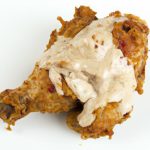

There’s something undeniably mesmerizing about a perfectly roasted duck-the crispy, golden skin giving way too tender, succulent meat that melts in your mouth with every bite. few chefs have mastered this art quite like Gordon Ramsay, whose passion for bold flavors and precise technique elevates roast duck to a culinary masterpiece. Whether you’re a seasoned home cook or an aspiring foodie eager to impress, this step-by-step guide will walk you through Ramsay’s signature approach to roasting duck. Get ready to unlock the secrets behind his beautifully balanced seasoning, impeccable roasting methods, and mouthwatering presentation that turn a simple bird into a star dish worthy of any dinner table.
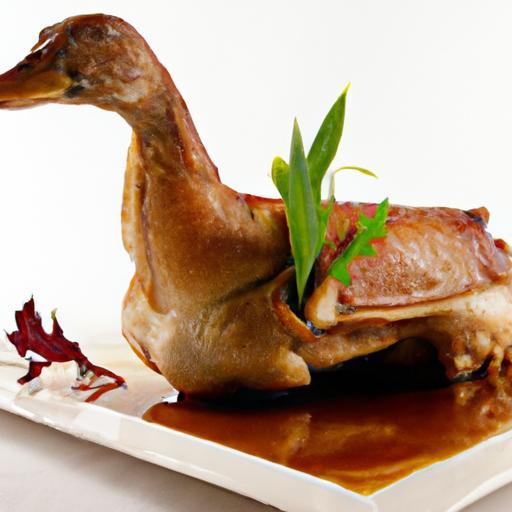
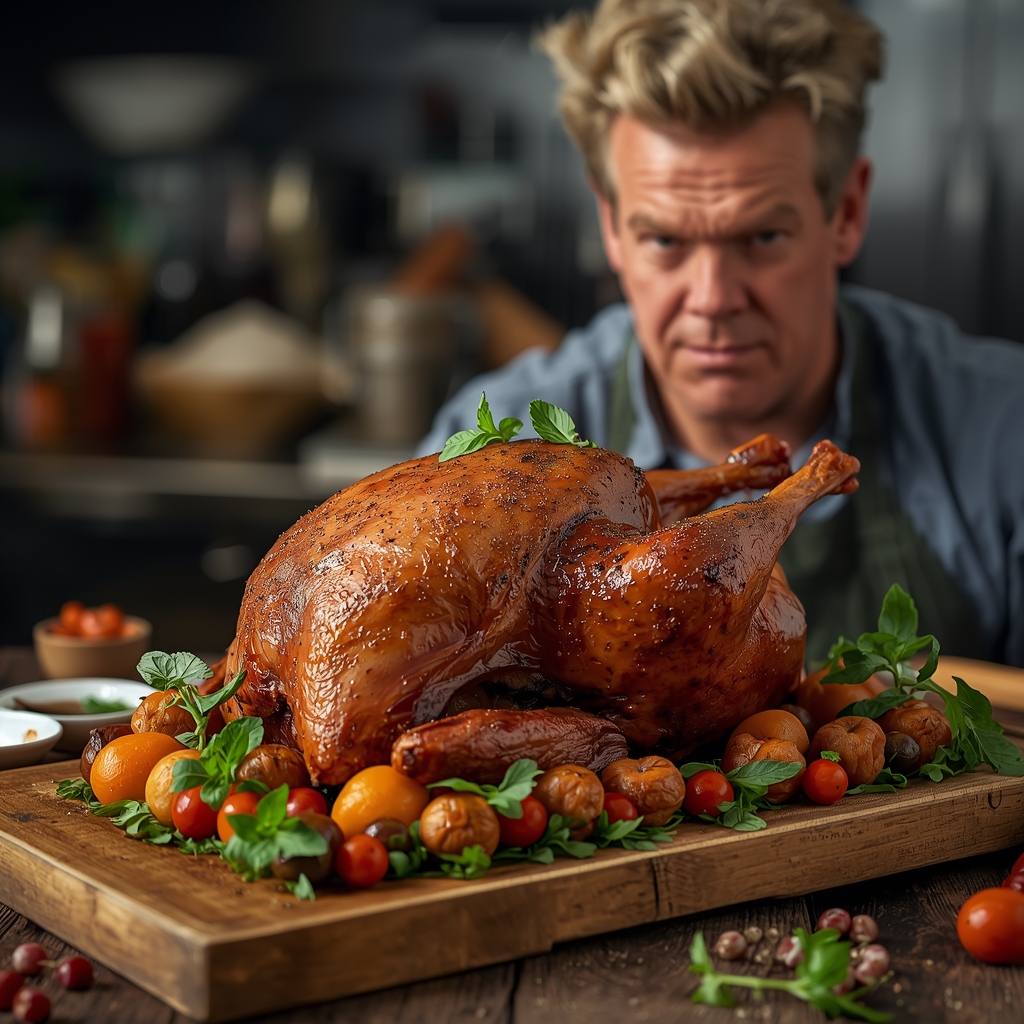
Master Gordon Ramsay’s Roast Duck is an exquisite dish that combines bold flavors, impeccable technique, and stunning presentation. Originating from French culinary traditions yet elevated with ramsay’s unmistakable touch, this roast duck delivers a harmony of crispy skin and succulent meat, making it a showstopper for special occasions or intimate dinners. As you embark on this culinary adventure, imagine the intoxicating aroma of the duck roasting to perfection, with subtle hints of herbs and a marinade that unlocks depth and complexity reserved for true gourmands.
Prep and Cook Time
- Preparation: 25 minutes
- Marinating: Minimum 4 hours (overnight recommended)
- cooking: 1 hour 30 minutes
- Total Time: Approximately 6 hours including marination
Yield
Serves 4 elegantly, with enough richness and flavor to satisfy hearty appetites.
Difficulty Level
Advanced: This recipe requires precise timing and attentive roasting techniques to achieve the perfect balance of textures.
Ingredients
- 1 whole duck (approx. 5-6 lbs), trimmed, patted dry
- 4 cloves garlic, finely minced
- 2 tbsp fresh thyme leaves, finely chopped
- 1 tbsp fresh rosemary, finely chopped
- 2 tbsp soy sauce (for umami depth)
- 1 tbsp honey, preferably runny
- 1 tsp Chinese five-spice powder
- Zest and juice of 1 orange
- Salt and freshly cracked black pepper, to taste
- 2 tbsp olive oil
- 2 cups chicken stock, preferably homemade
- 1 large onion, quartered
- 2 star anise pods (optional, for aromatic layering)
- Fresh parsley or microgreens, for garnish
Instructions
- Prepare the marinade: In a small bowl, whisk together minced garlic, thyme, rosemary, soy sauce, honey, five-spice powder, orange zest, orange juice, olive oil, salt, and pepper until well combined.
- Marinate the duck: Score the skin of the duck in a diamond pattern, careful not to cut into the meat. Rub the marinade generously over the entire surface, inside and out. Place the duck in a large zip-lock bag or covered dish and refrigerate for at least 4 hours, preferably overnight. This step infuses the duck with aromatic flavors.
- Preheat the oven: To 375°F (190°C). Remove the duck from the fridge 30 minutes before roasting to reach room temperature.
- Prepare for roasting: Place the quartered onions and star anise in the base of a roasting pan. Position a roasting rack on top, then place the duck breast-side up. Pour chicken stock into the pan, avoiding pouring over the duck to maintain crispy skin.
- Roasting technique: Roast the duck for 60 minutes,basting every 20 minutes with pan drippings using a spoon or baster. This continual basting locks in moisture and deepens flavor. About 15 minutes before finishing, increase the oven temperature to 425°F (220°C) to crisp the skin irresistibly. Keep a close eye to avoid burning.
- Rest the duck: Once cooked, remove the duck and transfer to a warm plate. Tent loosely with foil and rest for 15 minutes. Resting allows juices to redistribute, ensuring juicy, tender meat upon carving.
- Carve and serve: Slice the duck carefully against the grain. Spoon some pan juices over the meat for added succulence.
Tips for Success
- Choosing the duck: Opt for a fresh, high-quality duck with a good layer of fat beneath the skin – this fat renders slowly, aiding crispness and moisture.
- Scoring the skin: Don’t skip this step; its essential to render fat and avoid rubbery skin.
- Marinating time: For the best flavor penetration, let the duck marinate overnight.
- Monitoring crispiness: Use a meat thermometer; the internal temperature should reach 165°F (74°C).
- Pan juices: Consider straining and reducing drippings into a luscious sauce to drizzle on the duck.
Serving Suggestions
Present your roast duck on a warm platter, surrounded by vibrant roasted root vegetables or a silky parsnip puree for contrast. Garnish with sprigs of fresh thyme, orange wedges, and a sprinkle of microgreens for fresh texture and color. Serve alongside a robust red wine like Pinot Noir or a fruity Merlot to complement the duck’s rich flavors. For an elegant touch reminiscent of Gordon Ramsay’s plating style, add edible flowers or a drizzle of aged balsamic reduction to the plate’s edge.
| Nutritional Details (per serving) | Amount |
|---|---|
| Calories | 580 kcal |
| protein | 42 g |
| Carbohydrates | 8 g |
| Fat | 42 g |
Explore More Poultry Techniques |
British Duck Association

Q&A
Q&A: Master Gordon Ramsay’s Roast Duck – Step-by-Step Guide
Q1: Why choose Gordon Ramsay’s roast duck recipe over others?
A1: Gordon Ramsay’s roast duck recipe masterfully balances crisp skin and succulent meat through his signature techniques. His approach combines classic methods with precision cooking, resulting in a bird that’s both visually stunning and bursting with rich, deep flavors.
Q2: What’s the first crucial step in preparing the duck?
A2: The vrey first step is to thoroughly dry the duck inside and out. removing excess moisture is essential for achieving that coveted golden,crispy skin. Ramsay even recommends pricking the skin gently to help render out the fat during roasting.
Q3: How does Ramsay suggest seasoning the duck?
A3: Simplicity reigns supreme. Ramsay’s seasoning involves generous salt and freshly ground black pepper all over, allowing the natural flavors to shine. Sometimes,he hints at aromatic additions like orange zest or star anise to imbue subtle layers of flavor.
Q4: Is there a trick to keeping the duck moist despite its crisp skin?
A4: Absolutely. Ramsay advocates slow roasting at moderate heat to render fat gradually while preserving juicy meat. Additionally, resting the duck after roasting allows juices to redistribute, ensuring every bite is tender and flavorful.
Q5: What side dishes complement Gordon Ramsay’s roast duck best?
A5: Classic accompaniments include caramelized red cabbage,roasted root vegetables,or a fresh pomegranate and orange salad. These sides offer a balance of sweetness, tang, and earthiness that perfectly offsets the richness of the duck.
Q6: Can a home cook replicate Ramsay’s professional techniques?
A6: Definitely! While Ramsay cooks with kitchen mastery, his recipe is approachable. Key tips include patience in roasting, proper seasoning, and resting time-simple factors that elevate the dish from good to restaurant-quality.
Q7: How can you make the duck skin extra crispy?
A7: Patience and dryness are your best allies. Ensure the duck is as dry as possible before cooking, score the skin, and roast at a controlled temperature. Some even finish with a high-heat blast at the end to achieve that perfect crackle.
Q8: What’s the ultimate timing tip for serving duck at its prime?
A8: Serve immediately after resting-ideally within 10 minutes of coming out of the oven. this timing preserves the crisp skin texture and keeps the meat warm and juicy.
Q9: Does Ramsay recommend any special sauces or glazes?
A9: He keeps it straightforward but flavorful-consider a light drizzle of honey or a tangy orange glaze to highlight the duck’s natural richness without overpowering it.
By mastering these steps inspired by Gordon Ramsay, you can confidently roast a duck that’s crispy on the outside, tender on the inside, and simply unforgettable at the table. Ready to impress? Your culinary journey starts here!
Final Thoughts
With these carefully crafted steps in hand, you’re well on your way to mastering Gordon Ramsay’s roast duck-a dish where crispy skin meets tender, flavorful meat in perfect harmony.Beyond just a recipe, it’s an invitation to elevate your culinary skills and impress at your next gathering. So, don your apron, embrace the process, and let each sizzling moment in the kitchen bring you closer to serving a roast duck that’s truly worthy of Ramsay’s table. Happy roasting!