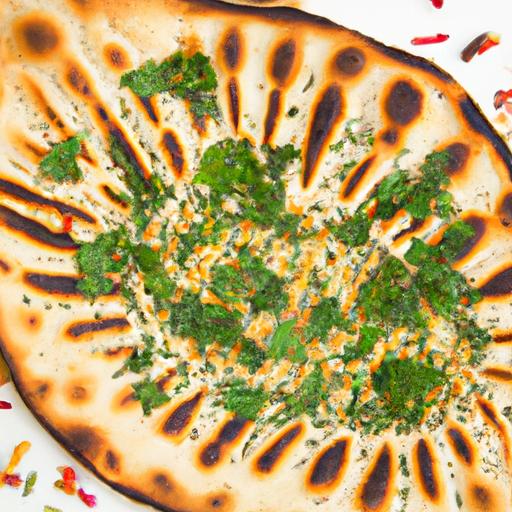

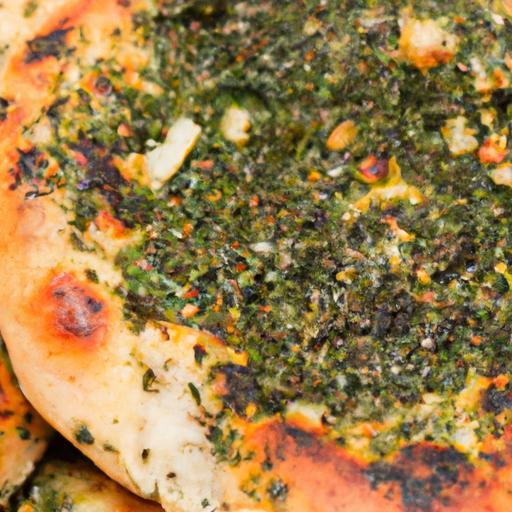
Nestled within teh warm embrace of Middle eastern mornings, Manakish with Za’atar unfolds as more than just a beloved flatbread-it is a fragrant testament to centuries of culinary tradition. This humble yet irresistible dish, crowned with a vibrant blend of thyme, sumac, sesame seeds, and wild oregano, invites us on a flavorful journey through history, culture, and the art of simple, soulful cooking. From bustling street markets to home kitchens filled with the aroma of freshly baked dough, Manakish with Za’atar tells a timeless story of community, heritage, and the enduring power of food to connect us across generations.Join us as we explore the origins, meaning, and irresistible taste that make this iconic delicacy a true staple of Middle Eastern cuisine.
Manakish with za’atar is a culinary emblem of Levantine culture, where the marriage of warm, freshly baked dough and aromatic za’atar blend narrates centuries of tradition and communal gatherings. This beloved flatbread,often enjoyed at breakfast or as a hearty snack,embodies the essence of simplicity elevated through rich heritage and deeply rooted flavors.
prep and Cook Time
- Preparation: 20 minutes
- Resting: 1 hour (for dough fermentation)
- Cooking: 10-12 minutes
- Total time: Approximately 1 hour 30 minutes
Yield
Makes 6 medium-sized Manakish (serves 4 to 6 people)
difficulty Level
Medium – requires basic dough handling and timing for perfect texture
Ingredients
- 3 cups all-purpose flour, sifted
- 1 cup warm water (about 110°F/43°C)
- 2 tsp active dry yeast
- 1 tsp granulated sugar
- 1 tsp fine sea salt
- 3 tbsp olive oil, plus extra for brushing
- 1 cup za’atar spice blend (a mix of dried thyme, sumac, sesame seeds, and oregano)
- 4 tbsp olive oil (for mixing with za’atar)
Instructions
- Activate the yeast: In a small bowl, dissolve sugar in warm water. Sprinkle the yeast over top and let it bloom for 5-7 minutes untill frothy and bubbly.
- Make the dough: In a large mixing bowl, combine the sifted flour and salt. Create a well in the center and pour in the yeast mixture and 3 tablespoons olive oil. Mix gently until a shaggy dough forms.
- Knead: Transfer dough to a lightly floured surface. Knead for 8-10 minutes until the dough becomes smooth and elastic. If sticky, sprinkle with a little more flour, but avoid over-flouring to keep dough soft.
- First rise: Lightly oil a clean bowl, place the dough inside, and cover with a damp kitchen towel or plastic wrap. Let proof in a warm, draft-free place for about 1 hour, or until doubled in size.
- Preheat your oven: Set to 475°F (245°C). Place a baking stone or inverted baking sheet inside to heat evenly.
- Prepare the za’atar topping: In a small bowl, mix the za’atar blend with 4 tablespoons olive oil until it forms a spreadable paste.
- Shape the Manakish: Punch down the risen dough and divide it into 6 equal balls. On a floured surface, roll each ball into a circle roughly 6-7 inches in diameter, approximately 1/4 inch thick.
- Top: Place each dough circle on parchment paper. Spread a generous layer of the za’atar mixture evenly across each base, leaving a small edge around the circumference to create a crust.Don’t overload-thin, even coverage bakes best.
- Bake: Using a pizza peel or baking tray, transfer the za’atar-topped flatbread onto the heated stone or baking sheet. Bake for 8-12 minutes or until the crust is golden brown and crisp at the edges.
- Serve warm: Brush with a little extra virgin olive oil immediately on removal from the oven for a glossy finish and enhanced flavor.
Tips for Success
- For a fluffier texture, incorporate 1 tbsp of plain yogurt into the dough mix-it adds moisture and tenderness without overwhelming the conventional taste.
- If pressed for time, use instant yeast and shorten resting time to 30 minutes, but slow fermentation develops superior flavor.
- To create visually striking Manakish, sprinkle whole sesame seeds or sumac lightly on top of the za’atar layer before baking.
- Leftover Manakish can be reheated in a hot oven or toaster for a few minutes to regain crispness.
- Za’atar blends vary regionally-source a high-quality mix or try making your own at home using fresh dried herbs and toasted sesame seeds.
Serving Suggestions
Manakish with za’atar shines best when served hot straight from the oven, making it an ideal centerpiece for any meal:
- Pair with fresh labneh drizzled with olive oil and a sprinkling of fresh mint or za’atar for a creamy, tangy contrast.
- Include alongside a colorful mezze platter featuring olives, cucumbers, heirloom tomatoes, and pickles.
- For brunch, serve with soft-boiled eggs and a side of spiced honey butter to elevate the savory profile.
- The rustic flatbread also complements grilled vegetables and Middle Eastern dips such as muhammara or baba ganoush.
- Garnish final presentation with pomegranate seeds or finely chopped parsley for vibrant color and texture.
| Nutrient | Per Serving |
|---|---|
| Calories | 280 kcal |
| Protein | 6 g |
| Carbohydrates | 40 g |
| Fat | 8 g |
Related recipe: Discover more about traditional Middle Eastern breads in our Pita Bread: The Heart of Lebanese Cuisine. For an in-depth cultural viewpoint on za’atar, visit National Geographic’s feature on Za’atar.

Q&A
Q&A: Manakish with Za’atar – A Flavorful Journey Through Tradition
Q1: What exactly is Manakish with za’atar?
A1: Manakish with Za’atar is a beloved Middle Eastern flatbread, generously topped with a fragrant mixture of za’atar-a blend of thyme, sesame seeds, sumac, and salt-mixed into olive oil. Think of it as the region’s answer to a savory, herbal pizza, deeply rooted in tradition and bursting with vibrant flavors.
Q2: Where does Manakish originate from?
A2: Manakish hails from Levantine cuisine,stretching across countries like Lebanon,Syria,jordan,and Palestine. It’s been a staple street food and breakfast favorite for centuries, cherished in homes and bakeries alike.
Q3: What makes za’atar so special?
A3: Za’atar is more than just a spice blend-it’s a cultural emblem. Its earthy, tangy, and nutty flavor awakens the senses and has been traditionally revered for its medicinal properties. The sumac adds a citrusy zing, the thyme brings herbal depth, and the toasted sesame seeds lend a subtle crunch.
Q4: How is Manakish traditionally prepared?
A4: Traditionally, fresh dough is hand-rolled into round discs, slathered with a mixture of za’atar and olive oil, and baked in a hot, wood-fired oven until the edges are golden and the aroma is irresistible. The result is a crisp yet soft flatbread that’s perfect for breaking and sharing.
Q5: Why is Manakish with za’atar considered a cultural experience, not just a meal?
A5: Eating Manakish is an immersive journey through history and heritage. It’s more than nourishment-it’s a communal ritual that brings people together around the breakfast table or the neighborhood bakery. Every bite tells a story of ancient trade routes, family traditions, and the rhythms of daily life in the Levant.Q6: Are there variations of Manakish beyond za’atar?
A6: Absolutely! While za’atar is the iconic topping,Manakish can also be loaded with cheese,ground meat,or a mix of herbs and vegetables. however, za’atar remains the quintessential choice for those seeking the purest taste of tradition.
Q7: How can someone recreate the authentic taste of Manakish with za’atar at home?
A7: The secret lies in fresh ingredients and simple techniques. Use freshly ground za’atar, high-quality olive oil, and make your dough from scratch or choose a soft pita. bake at a high temperature to mimic the traditional oven’s intense heat, and enjoy immediately while warm and fragrant.
Q8: What makes Manakish relevant in today’s culinary world?
A8: Manakish with Za’atar beautifully bridges past and present-it’s an artisanal, wholesome food that suits modern tastes for natural, flavorful, plant-based dishes. Its adaptability and unforgettable taste have inspired chefs worldwide to innovate while honoring its roots.
Q9: Can Manakish be enjoyed beyond breakfast?
A9: Definitely! Although often eaten for breakfast or snacks, Manakish is versatile enough to be part of any meal-served alongside salads, dips like labneh or hummus, or simply enjoyed on its own as a satisfying comfort food anytime.
Q10: What’s the key takeaway about Manakish with Za’atar?
A10: Manakish with Za’atar is more than food-it’s a delicious narrative of heritage, community, and flavor. Embracing it is an invitation to savor the warmth of Middle Eastern hospitality and the timeless pleasures of simple, well-crafted ingredients.
Insights and Conclusions
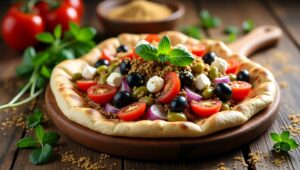
As the warm aroma of za’atar-laden manakish wafts from oven to table, it carries with it centuries of tradition, culture, and culinary artistry. This humble yet vibrant flatbread is more than just a meal – it is a flavorful journey that connects past and present, inviting us to savor the rich heritage embedded in every bite. Whether enjoyed in a bustling Levantine market or recreated in your own kitchen, manakish with za’atar remains a timeless testament to the power of simple ingredients to tell extraordinary stories. So next time you break bread with this fragrant delight, remember your partaking in a living tradition that continues to inspire and unite across generations.