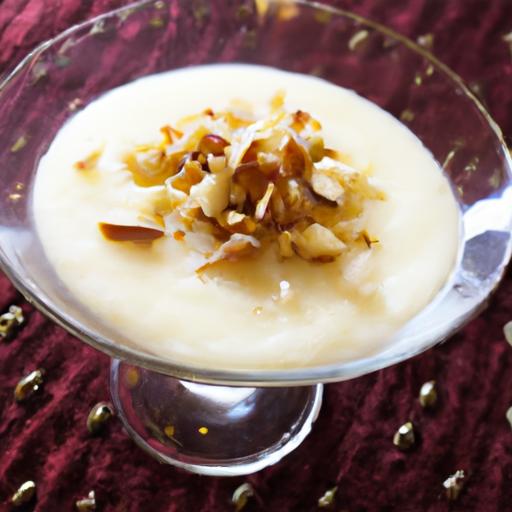

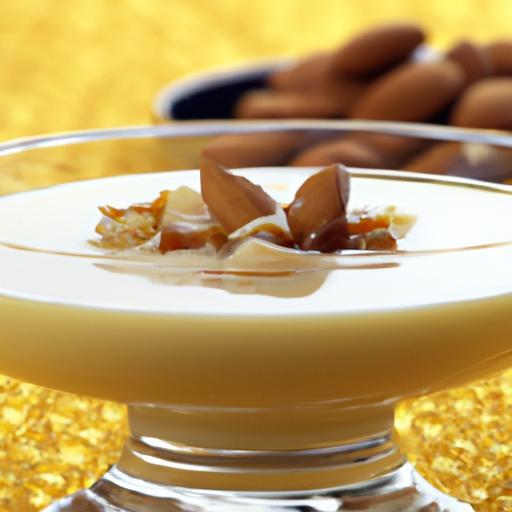
In the vibrant tapestry of Indian cuisine, where spices dance and flavors sing, one dessert stands as a timeless emblem of comfort and festivity: This creamy, aromatic pudding, simmered lovingly with milk, rice, and fragrant spices, is more than just a sweet treat-it is indeed a soulful journey through India’s culinary heritage. “Kheer Unveiled: Exploring the Sweet Soul of Indian Desserts” invites you to delve into the rich history, cultural meaning, and the myriad regional twists of this beloved delicacy. join us as we unravel the stories behind each spoonful, revealing how it continues to capture hearts and palates across generations.
This recipe, a beloved Indian dessert that speaks directly to the heart, holds centuries of cultural significance, symbolizing both celebration and comfort. Its rich heritage traverses the length and breadth of India, where every region infuses the dish with its unique touch. From royal feasts in Rajasthan to everyday festivities in Bengal, embodies more than just sweetness-it tells a story of tradition, family bonds, and culinary artistry that continues to captivate dessert lovers worldwide.
Prep and Cook Time
- Readiness: 10 minutes
- Cooking: 45 minutes
- Total: 55 minutes
Yield
- Makes about 6 servings
Difficulty Level
- Medium – requires attentive cooking and stirring
The Art of Crafting Perfect Kheer: Ingredients and Techniques Explained
Creating the perfect is an immersive experience that harmonizes simple ingredients with patient artistry. The soul of kheer lies in its primary ingredient: milk, slowly simmered to a creamy, thick consistency. The addition of aromatic basmati rice, subtly toasted nuts, and fragrant spices like cardamom elevates this humble pudding to a culinary masterpiece. Precision in cooking, constant stirring to avoid scorching, and measured sweetness define the texture and flavor of an authentic.
Ingredients
- 1 liter full-fat milk (preferably fresh and full cream for richness)
- 1/4 cup basmati rice, rinsed and soaked for 30 minutes
- 1/2 cup sugar (adjust to taste)
- 10-12 cashew nuts, chopped
- 10-12 almonds, slivered
- 8-10 green cardamom pods, crushed
- 2 tbsp raisins
- 1 tsp ghee (clarified butter)
- Optional: 2 tbsp grated coconut or saffron strands soaked in 1 tbsp warm milk
Instructions
- Prepare the rice: Drain the soaked basmati rice and set aside.
- Heat the milk: Pour milk into a heavy-bottomed pan.bring it to a gentle boil on medium heat,stirring occasionally to prevent the milk from sticking.
- Add the rice: Lower the heat to simmer and add the drained rice. Stir gently and cook uncovered, allowing the rice to soften fully while the milk thickens. This process can take 30-40 minutes-patience is key.
- Roast nuts and raisins: In a small pan, heat ghee and sauté the cashews, almonds, and raisins until golden and fragrant. remove from heat and set aside.
- Flavor the kheer: Once the rice is tender and the milk has reduced to a creamy consistency, stir in the sugar and crushed cardamom pods. If using saffron, add the soaked strands now.
- Combine and simmer: Stir the roasted nuts and raisins into the kheer and let it simmer gently for another 5 minutes, allowing flavors to meld.
- Final cool: Remove from heat and let the kheer cool slightly. It tastes fabulous warm or chilled, depending on preference.
Tips for Success
- Milk choice: Full-fat milk creates a creamy texture, but you can substitute with evaporated milk for a richer option.
- Consistent stirring: Stir frequently to avoid the milk sticking and burning on the bottom of the pan.
- Rice alternatives: For a smoother texture, substitute rice with vermicelli or broken wheat.
- Sweetness control: Adjust sugar at the end after tasting-remember that roasting nuts adds natural sweetness.
- Make-ahead: Kheer can be prepared a day in advance and refrigerated; flavors deepen with time.
Regional Twists and Unique Variations That Celebrate Local Flavors
India’s vastness is mirrored in the many regional interpretations of kheer. In Bengal, chal Kheer employs fragrant aromatic rice and saffron, enriched with a touch of rose water. In Punjab, Phirni uses ground rice for a velvety texture and is served chilled in clay bowls. The southern states sweeten kheer with palm jaggery or tender coconut milk, celebrating local ingredients and seasonality. Each variant reflects the distinct culinary pulse of its home, enriching the classic recipe with vibrant, authentic flavors.
Pairing kheer with Festive Occasions and Contemporary Culinary Trends
Kheer is more than dessert; it is an emblem of auspicious beginnings and joyous moments. Traditionally served during weddings, Diwali, Eid, and harvest festivals like Pongal, it embodies the sweetness of life’s celebrations. Today, contemporary chefs experiment by incorporating superfoods like chia seeds or infusing kheer with exotic spices such as star anise and nutmeg. Paired with warm spices, it balances modern palates while preserving time-honored traditions.
Serving Suggestions
- Garnish with finely chopped pistachios and edible silver leaf (varak) for an elegant finish.
- Serve warm in delicate porcelain bowls for a comforting presentation.
- For a refreshing twist, chill the kheer and top with fresh rose petals and a few saffron strands before serving.
- Pair with light snacks like Besan Ladoo or crunchy papads to balance textures.
| Nutrient | Per Serving |
|---|---|
| Calories | 220 kcal |
| Protein | 6 g |
| Carbohydrates | 30 g |
| Fat | 7 g |

Discover the timeless allure of kheer by mastering thes steps and honoring its regional roots. For more inspiring customary Indian desserts, explore this classic gulab Jamun recipe.
For detailed culinary history on Indian sweets,visit the Encyclopedia Britannica on Indian Cuisine.
Q&A
Q&A: Kheer Unveiled - Exploring the Sweet Soul of Indian Desserts
Q1: What is Kheer, and why is it considered the quintessential Indian dessert?
A: Kheer is a luscious, creamy rice pudding that has danced on the taste buds of Indian households for centuries. Made by simmering rice in milk and sweetening it with sugar, it’s frequently enough infused with fragrant spices like cardamom and garnished with nuts and saffron.Kheer isn’t just a dessert; it’s a celebration of comfort, culture, and the simple joys of life that bind generations together.Its versatility and deep-rooted presence in festivals and rituals have made it the quintessential sweet soul of Indian cuisine.
Q2: How does Kheer reflect the cultural diversity of India?
A: India’s mosaic of cultures shines through in the myriad variations of Kheer across regions. From the thick, nutty Basundi of Maharashtra to the aromatic Payasam of South India, each version tells a story. Ingredients shift with geography-jaggery replaces sugar in some southern recipes; vermicelli finds its way in the north’s Seviyan Kheer. This adaptability mirrors India’s diverse culinary heritage, blending local tastes with traditional techniques in every velvety spoonful.
Q3: What are the key ingredients that give Kheer its signature flavor and texture?
A: At its heart, Kheer’s harmony lies in the delicate dance between creamy milk and tender rice. Slow cooking down the milk allows it to thicken and intensify, imparting richness that is both comforting and indulgent. Cardamom lends an ethereal fragrance, while the crunch of sliced almonds, pistachios, or cashews offers texture contrast. A few strands of saffron might add a golden hue and a whisper of luxury.These carefully layered elements make Kheer a symphony of taste and aroma.
Q4: can Kheer be enjoyed beyond festive occasions?
A: Absolutely! While Kheer shines brightest during Diwali, Eid, and weddings, it’s a dessert that transcends occasion and time. Its soothing warmth makes it a perfect end to everyday meals,a delightful treat during monsoon rains,or a nostalgic comfort food that evokes family memories. Whether chilled or warm, simple or embellished, Kheer invites us to pause and savor sweetness amidst life’s hustle.
Q5: How has Kheer evolved in modern Indian cuisine?
A: Contemporary chefs and home cooks alike have reimagined Kheer with creative twists while honoring its roots. You’ll find versions that swap rice for quinoa or millet for a health boost, vegan Kheers made with coconut or almond milk, and fusion flavors featuring rose, mango, or even chocolate. These innovations keep Kheer relevant and exciting, proving that this ancient dessert still holds a vibrant place in india’s evolving gastronomic landscape.
Q6: What makes Kheer a soul-soothing dessert?
A: Beyond its creamy sweetness, Kheer nurtures a deeper connection-to family traditions, to seasons, and to moments of joy and gratitude. Its slow-cooked preparation demands patience and care, making it a metaphor for mindfulness. Sharing Kheer is sharing love, warmth, and cultural heritage, comforting the soul in ways that go far beyond taste. In every bowl, Kheer offers a sweet embrace of India’s heart and heritage.

Future Outlook
As we close the lid on our journey through the rich, creamy world of kheer, it becomes clear that this humble dessert is far more than just a sweet treat. It is a shimmering thread woven into the vibrant tapestry of Indian culture-each grain of rice and drop of milk carrying stories of celebration, tradition, and togetherness. Whether enjoyed during festive gatherings or quiet moments of reflection, it continues to captivate palates and hearts alike, inviting us to taste not only its flavors but also the sweet soul of India itself. So next time you savor a bowl of this luscious delicacy, remember-you’re partaking in a timeless ritual, a appetizing legacy that transcends generations and borders.