
In the world of savory soups, miso soup stands out as a beloved staple-its warm, umami-rich broth comforting palates across the globe.Yet,amid its comforting reputation lies a pressing question for many: Is miso soup truly gluten-free? As dietary restrictions become more common and awareness around gluten sensitivity grows,understanding the ingredients behind this traditional Japanese delicacy is essential. Join us as we delve into the savory truth of miso soup, unraveling its components, exploring hidden sources of gluten, and helping you decide whether this iconic broth fits into your gluten-free lifestyle.
Is miso soup gluten-free? For many, this comforting Japanese classic represents warmth, umami depth, and a moment of peaceful indulgence.Originating from fermented soybeans, miso soup has woven its way into kitchens worldwide, yet the question of its gluten content ofen puzzles those with dietary restrictions. understanding the ingredients behind miso soup’s complex flavor profile is essential to ensure you savor every spoonful without compromising your gluten-free lifestyle.
Prep and Cook time
- Planning: 10 minutes
- Cooking: 15 minutes
- Total Time: 25 minutes
Yield
Serves 4 generous bowls
Difficulty level
Easy
Ingredients
- 4 cups filtered water or homemade dashi broth (ensure gluten-free kombu and bonito flakes)
- 3 tablespoons naturally brewed, gluten-free white or yellow miso paste (check labels carefully)
- 1/2 cup silken tofu, cut into 1/2-inch cubes
- 2 tablespoons chopped wakame seaweed (rehydrated)
- 2 green onions, thinly sliced (green and white parts)
- Optional: 1 teaspoon gluten-free tamari (for extra depth, if desired)
Instructions
- Prepare the dashi base: Gently heat the filtered water or gluten-free dashi broth in a medium saucepan over medium heat until just simmering. avoid boiling to preserve delicate flavors.
- Add wakame seaweed: Stir in the rehydrated wakame and let it soften for about 2 minutes.
- Incorporate tofu cubes: Gently add tofu to the pot, warming through without stirring vigorously to maintain texture.
- Remove from heat: Once everything is heated, remove the pot from heat entirely before adding miso paste. This prevents miso’s flavor and probiotics from degrading.
- Dissolve miso paste: Ladle about 1/2 cup of hot broth into a small bowl and whisk in the miso paste until smooth. Slowly stir this mixture back into the pot.
- Final touches: Taste and, if needed, enhance with 1 teaspoon gluten-free tamari. Add green onions just before serving for a fresh bite.
Chef’s Notes and Tips for Success
- Identifying gluten: Many traditional miso pastes contain barley or other grains with gluten. Always opt for miso labeled “gluten-free” or made solely from rice and soybeans.
- Hidden sources of gluten: Watch out for dashi base ingredients-some contain soy sauce or seasoning blends with gluten. Homemade dashi with kombu and bonito flakes is your safest bet.
- Substitutions: If you prefer a richer soup, experiment with brown rice miso or chickpea miso, ensuring their gluten-free certification.
- make-ahead: Prepare dashi broth in advance and store it refrigerated for up to 3 days to speed up prep time.
- Consistency tip: Avoid boiling soup after adding miso paste to maintain a silky texture and preserve subtle flavors.
Serving Suggestions
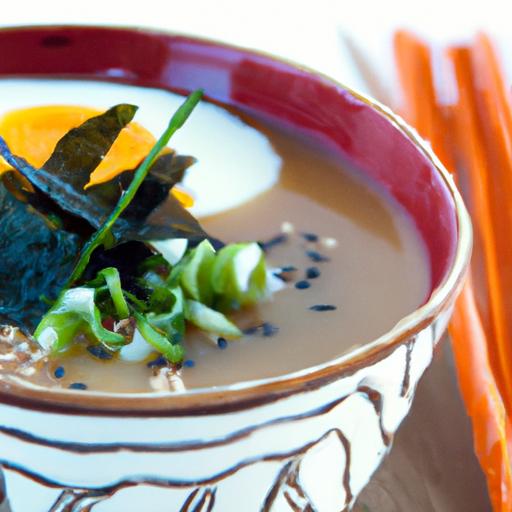
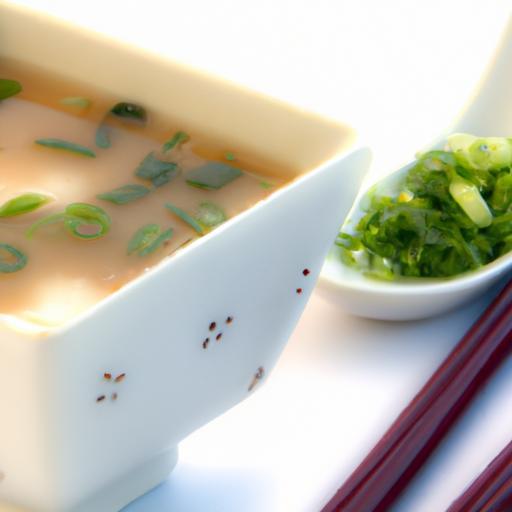
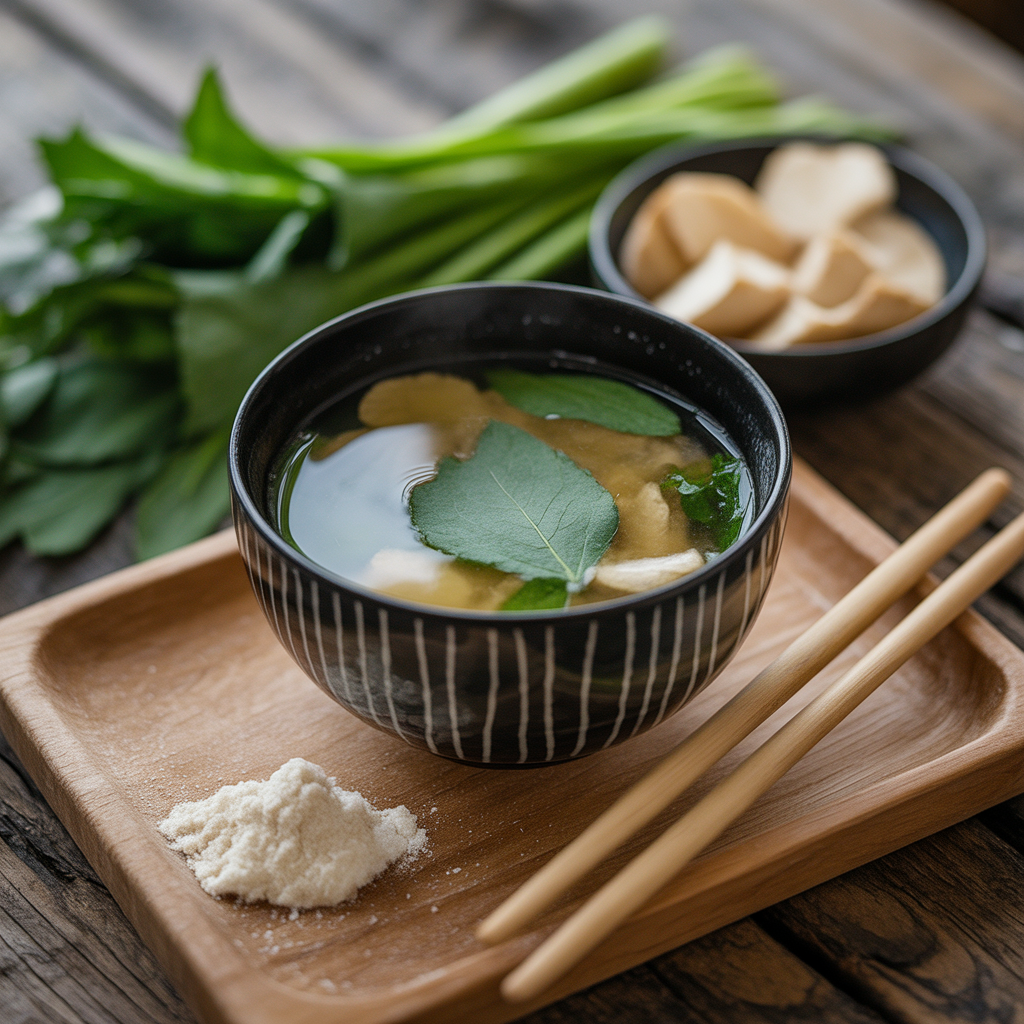
Serve your gluten-free miso soup piping hot in delicate ceramic bowls,garnished with a sprinkle of finely chopped green onions and a small cluster of wakame strands. For a shining contrast, add a few thin slices of fresh shiitake mushrooms or a hint of yuzu zest. pair with perfectly steamed jasmine rice or a crisp seaweed salad to complete the traditional Japanese dining experience.

| Nutrition (per serving) | Amount |
|---|---|
| Calories | 70 |
| Protein | 5 g |
| Carbohydrates | 6 g |
| Fat | 2 g |
For those eager to explore more about Japanese cooking techniques and gluten-free japanese staples, consider reading our Gluten-Free Japanese Cooking Guide.For further details on gluten in fermented foods,the celiac Disease Foundation offers invaluable resources.
Q&A
Q&A: Is Miso soup Gluten-Free? Unveiling the Savory Truth
Q1: What exactly is miso soup?
A1: Miso soup is a traditional Japanese broth made primarily from dashi (a savory stock) and miso paste, which is fermented soybeans. It’s a comforting, umami-rich dish often enjoyed as a starter or a light meal.
Q2: Is miso soup naturally gluten-free?
A2: The short answer is: it depends. Miso paste itself can be naturally gluten-free if made solely from soybeans,rice,or other gluten-free grains. However, many traditional miso pastes include barley or wheat, which contain gluten.
Q3: What ingredients in miso soup might contain gluten?
A3: Apart from miso paste, ingredients like soy sauce or certain dashi stocks sometimes contain wheat. Additionally, some flavorings and additives used in commercial miso soup packets may include gluten as a stabilizer or thickener.
Q4: How can I find or make gluten-free miso soup?
A4: Look specifically for miso paste labeled “gluten-free,” often made from soybeans and rice. Also, use gluten-free dashi like kombu (seaweed) and shiitake mushroom broth. Avoid soy sauce or switch to tamari,a gluten-free soy sauce choice.
Q5: Why should someone avoid gluten in miso soup?
A5: For individuals with celiac disease or gluten sensitivity, even trace amounts of gluten can cause digestive upset and other health issues.Ensuring your miso soup is gluten-free means it’s safe and enjoyable for everyone.
Q6: Can miso soup be part of a gluten-free diet?
A6: Absolutely! With the right ingredients and mindful preparation, miso soup can be a deliciously safe and savory addition to a gluten-free diet.
Q7: What’s the takeaway for gluten-conscious food lovers?
A7: don’t let the subtle complexity of miso soup’s flavor fool you-always check the labels or make your own from scratch to savor that umami goodness without gluten worries. When done right, miso soup truly is a warm, gluten-free bowl of comfort.
Final Thoughts
miso soup is much more than just a comforting bowl of umami goodness-it’s a subtle dance of tradition and ingredients, where gluten’s presence depends on the choices made in its preparation. While pure miso paste frequently enough prides itself on being gluten-free, the addition of soy sauce, certain broths, or other seasonings can tip the scale. So, whether you’re navigating a gluten-sensitive diet or simply curious about this ancient Japanese staple, the key lies in knowing what’s in your bowl. With a little mindful selection, you can continue to savor every hearty sip of miso soup without worry-because understanding the savory truth lets you enjoy this timeless classic safely and deliciously.