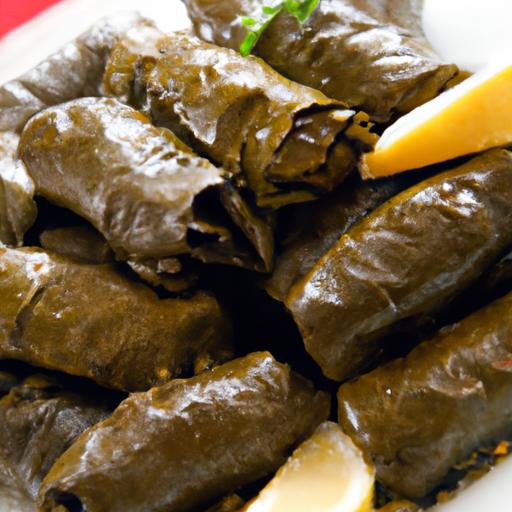

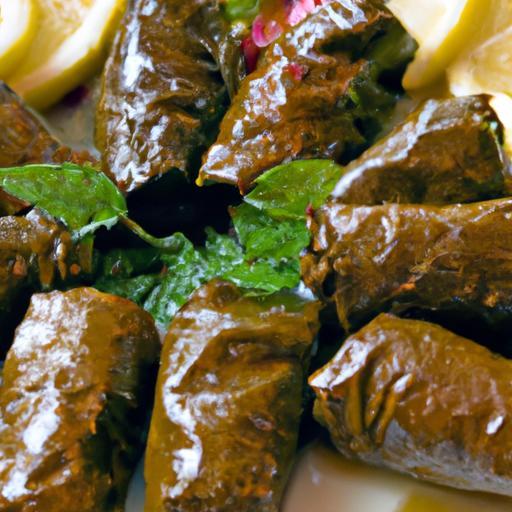
Wrapped in tradition and bursting with flavor, Greek dolmades are more than just a dish-thay are a culinary masterpiece steeped in history and culture. These delicate parcels of tender grape leaves, lovingly filled with fragrant rice, herbs, and sometimes meat, offer a taste of the Mediterranean that tells a story with every bite. From bustling village kitchens to elegant tavernas, the art of crafting dolmades has been perfected over centuries, blending simplicity with sophistication. Join us on a flavorful journey as we uncover the secrets behind Greek dolmades, exploring their origins, variations, and the timeless techniques that continue to delight palates around the world.
Discover Greek Dolmades are an exquisite culinary treasure, embodying centuries of Mediterranean tradition wrapped in tender grape leaves. This timeless dish has traveled thru history, weaving together stories of family gatherings and festive tables across Greece and neighboring regions. The vibrant flavors of herbed rice and ground meat, delicately encased in tender vine leaves, make each dolma a bite-sized celebration of culture and craftsmanship.
Prep and Cook Time
- Planning: 30 minutes (plus soaking grape leaves if using jarred)
- Cooking: 45 minutes
- Total: 1 hour 15 minutes
Yield
Approximately 30 dolmades (serves 6 as an appetizer or 4 as a main course)
Difficulty Level
Medium – mastering the rolling technique takes practice, but the reward is well worth the effort.
Ingredients
- 1 jar (16 oz) grape leaves, rinsed and drained
- 1 cup long-grain rice, rinsed
- 200g (7 oz) ground lamb or beef (optional for vegetarian version)
- 1 medium onion, finely chopped
- 1/4 cup fresh dill, chopped
- 1/4 cup fresh mint, chopped
- 1/4 cup fresh parsley, chopped
- 1/2 cup olive oil, divided
- 1 lemon, juiced
- 1 teaspoon salt
- 1/2 teaspoon black pepper
- 2 cups vegetable or chicken broth
Instructions
- Prepare the grape leaves: If using jarred, rinse well under cold water to remove brine, soak briefly to soften, then pat dry. Blanch fresh leaves for 1 minute in boiling water if available, then drain.
- Cook the filling: Heat 1/4 cup olive oil in a pan over medium heat. Sauté the onion until translucent, about 5 minutes. Add the ground meat (if using) and cook until browned. Stir in rice, herbs, salt, and pepper. cook for 2 minutes, then add 1 cup broth. Simmer gently until the rice absorbs liquid but remains slightly undercooked, about 10 minutes. Remove from heat, let cool.
- Roll the dolmades: Lay a grape leaf shiny side down, stem end toward you. place ~1 tablespoon of filling near the base. Fold the sides over, then carefully roll from the stem up, forming a tight cylinder about 2 inches long. Repeat until filling is used.
- Arrange in pot: place a few unused or torn grape leaves in the bottom of a heavy pot to prevent sticking. Layer dolmades seam-side down in tight rows, packing them snugly.
- Add liquids: Drizzle remaining 1/4 cup olive oil and lemon juice evenly over the top. Pour remaining 1 cup broth gently to cover the dolmades halfway. Place a heatproof plate upside-down on top to weigh them down.
- Simmer gently: Cover and cook over low heat for 45 minutes, checking occasionally to ensure liquid does not evaporate wholly. Add water if necessary.
- Rest and serve: Let dolmades cool slightly before serving to allow flavors to meld.
tips for Success
- Select fresh grape leaves: Tender, young leaves are less bitter and easier to roll.
- Use medium or long-grain rice: It maintains structure and absorbs flavors beautifully.
- Don’t overfill: A tablespoon of filling per leaf prevents bursting during cooking.
- Try a vegetarian version: Substitute ground meat with pine nuts and currants for a sweet, nutty twist.
- Make ahead: Dolmades taste even better the next day; store in the fridge, covered.
Serving Suggestions
Present dolmades on a rustic platter garnished with lemon wedges, fresh dill sprigs, and a drizzle of extra virgin olive oil. Accompany with creamy tzatziki or a side of tangy Greek yogurt to add a refreshing contrast. Pair the dish with a chilled glass of Assyrtiko or a crisp rosé for a perfect balance.Warm pita bread and a simple salad of olives, cucumbers, and tomatoes complete the experience, transporting you straight to a sun-drenched Greek taverna.

| Nutrient | Per Serving |
|---|---|
| Calories | 210 kcal |
| protein | 6 g |
| Carbohydrates | 20 g |
| Fat | 12 g |
for a deeper dive into the Mediterranean’s vibrant culinary tapestry, check out our article on Mediterranean Meze Plates. Learn how the artful composition of small dishes complements the dish’s rich history. Enhance your knowledge about traditional ingredients and cultural roots on britannica’s detailed entry on Dolma.

Q&A
Q&A: Discover Greek Dolmades: The art of Stuffed grape Leaves
Q1: What exactly are Greek Dolmades?
A1: Greek Dolmades are a beloved traditional dish featuring tender grape leaves meticulously stuffed with a flavorful blend of rice, herbs, and sometimes ground meat. This culinary treasure encapsulates Mediterranean sunshine and history in each roll,offering a bite-sized journey through Greece’s rich cultural tapestry.
Q2: Why are grape leaves used rather of other leaves or wrappers?
A2: grape leaves have a unique tangy note and a pliable texture that perfectly complements the filling.Their subtle,slightly acidic flavor elevates each dolma,balancing the herbs and spices within. Plus, grape vines are abundant in Greece, making their leaves a natural and enduring choice for this dish.
Q3: what’s the secret to making perfect dolmades?
A3: The art of dolmades lies in three elements: the grape leaves, the filling, and the rolling technique. Leaves should be tender-not too young or old-and prepped carefully.The filling must be seasoned with fresh herbs like dill, mint, and parsley to awaken the senses. Lastly, mastering a tight yet delicate roll ensures the dolmades cook evenly and hold their shape without bursting.
Q4: Is there a traditional way to serve dolmades?
A4: yes! Dolmades are often served chilled or at room temperature, drizzled with lemon juice or accompanied by tzatziki-a cool yogurt and cucumber dip. They shine as appetizers or as part of a mezze platter, inviting sharing and savoring in a convivial Greek style.
Q5: Are there variations of dolmades across the Mediterranean?
A5: Absolutely. While dolmades are most famously Greek, variations appear throughout the Middle East and the Balkans, each adapting the stuffing and wraps to local tastes. As an example, some versions incorporate pine nuts and currants, while others opt for cabbage leaves instead of grape leaves-showcasing the dish’s versatile, cross-cultural appeal.
Q6: Can dolmades be made vegetarian or vegan?
A6: Certainly! Dolmades are wonderfully adaptable. The classic Greek vegetarian version uses a rice and herb filling, making it naturally vegan. By selecting the freshest herbs and a pinch of lemon, you get a purely plant-based delicacy that’s vibrant, healthy, and steeped in tradition.
Q7: How does making dolmades connect to Greek culture?
A7: Making dolmades is often a communal affair, a hands-on tradition linking generations. Families gather to prepare the filling, roll the leaves, and share stories-transforming cooking into an act of love and cultural preservation.Each dolma is more than food; it’s a symbol of hospitality, family bonds, and the enduring spirit of Greek heritage.
Q8: where can someone try authentic greek dolmades outside Greece?
A8: Authentic dolmades can be found in many Mediterranean restaurants worldwide, especially those run by Greek chefs committed to traditional recipes. Alternatively, farmers’ markets or specialty stores may offer jarred or fresh grape leaves and authentic ingredients for home cooking, allowing enthusiasts to embrace the art of dolmades anywhere.
Embark on making or tasting dolmades and unlock a tasty chapter of Greek culinary artistry-where every fold tells a story, and every bite transports you to sun-dappled vineyards and spirited family tables.
Insights and Conclusions
As we peel back the tender layers of grape leaves and savor the fragrant medley of herbs, rice, and spices wrapped within, Greek dolmades reveal themselves not just as a dish, but as a culinary story steeped in history and tradition. From humble kitchens to festive tables, these stuffed grape leaves bridge generations and cultures, inviting us to partake in a timeless ritual of flavor and craftsmanship. Whether you’re a seasoned gastronome or an adventurous home cook,exploring the art of dolmades offers a delicious journey into Greece’s rich tapestry of tastes-one delicate roll at a time.So next time you encounter these verdant parcels, remember: you’re tasting a legacy as vibrant as the mediterranean sun itself.