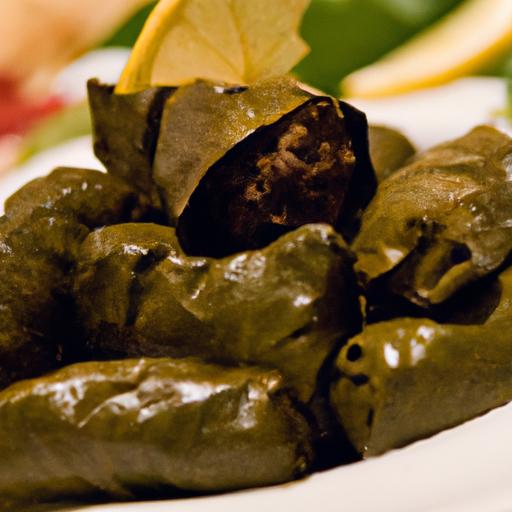

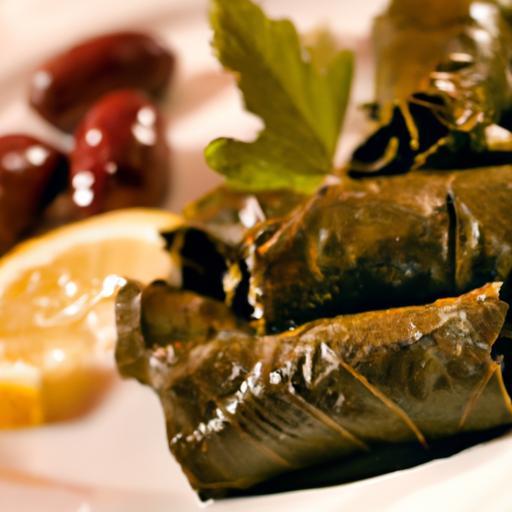
Nestled within the vibrant tapestry of Mediterranean cuisine lies a dish as timeless as the sun-soaked hills of Greece: dolmades, or stuffed grape leaves. These little bundles of flavor are more than just appetizers-they are a appetizing tradition, an artful blend of history, culture, and culinary craftsmanship. Wrapped in tender grape leaves and filled with a fragrant mixture of rice, herbs, and sometimes savory meats, dolmades offer a harmonious dance of textures and tastes that transport you straight to a bustling Greek kitchen overlooking the azure Aegean Sea. In this article, we’ll unravel the secrets behind these delightful parcels and explore how this ancient practise of stuffing grape leaves has become a beloved symbol of greek hospitality and gastronomic heritage.
Delightful Greek Dolmades have long been cherished as a symbol of Greek hospitality and culinary artistry, inviting food lovers to experience a harmony of textures and aromas wrapped in tender grape leaves. This customary delicacy traces its roots deep into the Mediterranean basin, where ancient cultures embraced the grapevine not just for wine but as an edible vessel for vibrant, herbaceous fillings. My first encounter with these dolmades was during a sunlit Greek island afternoon, where each bite revealed layers of history, seasonality, and love-making this recipe an indispensable staple in any kitchen aiming to master authentic Mediterranean flavors.
Prep and Cook Time
- Readiness Time: 35 minutes
- cooking Time: 60 minutes
- Total Time: 1 hour 35 minutes
Yield
- Approximately 40 stuffed grape leaves (serves 6-8 as an appetizer or side)
Difficulty Level
- Medium – requires patience and some finesse while rolling
Ingredients
- 40 fresh grape leaves (or jarred, rinsed and drained)
- 1 ½ cups long-grain white rice, rinsed and drained
- 1 large onion, finely chopped
- 3 tablespoons olive oil (plus extra for drizzling)
- ½ cup fresh dill, finely chopped
- ½ cup fresh mint, finely chopped
- ¼ cup fresh parsley, finely chopped
- Juice of 2 lemons (plus wedges for garnish)
- 1 teaspoon sea salt
- ½ teaspoon freshly ground black pepper
- 1 teaspoon sugar
- 1 cup vegetable broth or water
- Optional: ½ cup pine nuts or currants for added texture and sweetness
Instructions
- Prepare the Grape Leaves: if using fresh leaves, blanch them in boiling water for 1 minute until tender, then drain and set aside. For jarred leaves, rinse thoroughly and pat dry to remove excess brine.
- Sauté the aromatics: Heat 3 tablespoons of olive oil in a large skillet over medium heat. Add the finely chopped onion and sauté until soft and translucent, about 5 minutes. This step builds a sweet, savory base for the filling.
- Mix the Filling: in a large bowl, combine the rinsed rice, sautéed onions, chopped dill, mint, parsley, salt, pepper, and sugar. Stir in the lemon juice and optional pine nuts or currants. This mixture should be fragrant and slightly moist, but not wet.
- Assemble the Dolmades: Lay one grape leaf flat, vein side up. Place a heaping teaspoon of filling near the stem end. Fold the leaf sides in and then roll tightly away from you to create a neat, cigar-shaped parcel. Repeat until all filling and leaves are used.
- layer and Cook: Line the bottom of a heavy-bottomed pot with unused or torn grape leaves to prevent sticking. Arrange stuffed dolmades seam side down, packing them snugly in layers. Drizzle with extra olive oil and pour lemon juice and vegetable broth over them. Place a plate on top to keep them submerged during cooking.
- Simmer Gently: Cover the pot and simmer on low heat for about 50 to 60 minutes,until the rice is tender and the leaves are tender but intact. Avoid boiling to preserve shape and texture.
- Cool and Serve: Let the dolmades cool slightly in the pot before transferring to a serving dish. Drizzle with a final squeeze of lemon juice and a bit more olive oil for an irresistible sheen.
Tips for Success
- Rolling Technique: Keep the filling proportionate-too much and the leaves tear; too little and the dolmades flatten. A tight roll ensures they hold during cooking.
- Leaf Selection: Use young,tender grape leaves if possible; older leaves have tougher veins and are harder to roll.
- Flavor Boost: Add a pinch of cinnamon or allspice to the filling for warm aromatic notes. For a vegan version, omit meat and keep herbs fresh and vibrant.
- Make Ahead: Dolmades taste even better after resting overnight in the fridge, allowing flavors to meld beautifully.
- Substitution: Brown rice can be used for a nuttier flavor but increase cooking time and liquid accordingly.
Serving Suggestions to Elevate Your Dolmades Experience
Serve these delightful Greek dolmades slightly warm or at room temperature alongside a cooling tzatziki sauce or a tangy yogurt dip sprinkled with fresh dill. Garnish with elegant lemon wedges and a scattering of pomegranate seeds to add a burst of ruby color and tart sweetness.
Pairing dolmades with crisp, chilled assyrtiko white wine beautifully balances their zesty herbaceousness. For a full meze platter, arrange dolmades with olives, feta, roasted red peppers, and warm pita bread to create an inviting feast.

| Nutrient | Per Serving (5 Dolmades) |
|---|---|
| Calories | 150 kcal |
| Protein | 3 g |
| Carbohydrates | 23 g |
| Fat | 5 g |
Q&A
Q&A: Delightful Greek Dolmades – The Art of Stuffed Grape Leaves
Q1: What exactly are dolmades?
A1: Dolmades are a traditional Greek delicacy featuring tender grape leaves lovingly wrapped around a savory filling. The word “dolma” comes from the Turkish verb “dolmak,” meaning “to be stuffed,” and in Greece, these little parcels are a beloved staple often served as an appetizer or part of a meze platter.
Q2: What’s inside a typical dolma?
A2: At the heart of dolmades lies a fragrant mix of rice, fresh herbs like dill and mint, pine nuts, and sometimes ground meat. Vegetarian versions focus on the rice and herbs,often seasoned with lemon juice and olive oil,creating a radiant,zesty harmony that complements the subtle bitterness of the grape leaves.
Q3: Why grape leaves? Are they essential?
A3: Absolutely! Grape leaves impart a distinctive earthy tang and offer a delicate texture that crisps just slightly when cooked.They’re not just a wrapping-they’re an integral flavor component that elevates the whole dish to a symphony of Mediterranean tastes.
Q4: How are dolmades traditionally prepared?
A4: Preparing dolmades is a craft in itself. First, grape leaves are blanched to soften them.The filling is then spooned onto each leaf, which is carefully folded and rolled into neat little parcels. These bundles are tightly packed into a pot, often layered with slices of lemon, simmered gently with olive oil and broth until tender and infused with flavor.
Q5: Are dolmades exclusive to Greece?
A5: While dolmades are quintessentially Greek, stuffed grape leaves appear across the Mediterranean and Middle East, each culture adding its unique twist. In Greece, they shine with fresh herbs and lemon; in other regions, fillings might include lamb, nuts, or spices, showcasing the shared love for stuffed leaves but diverse culinary interpretations.
Q6: How should dolmades be served?
A6: Traditionally, dolmades are enjoyed warm or at room temperature, often drizzled with extra virgin olive oil and a squeeze of lemon. They pair beautifully with tzatziki, Greek yogurt, or a fresh salad, making them perfect finger foods for social gatherings or a comforting snack.
Q7: Can I make dolmades at home easily?
A7: Certainly! While wrapping dolmades requires patience and a bit of practice, home cooks are warmly encouraged to try. With fresh or preserved grape leaves (available in many supermarkets), a simple herbaceous filling, and a little time, you can master this ancient art and bring a taste of the Aegean to your own kitchen.
Q8: What makes dolmades so special in Greek cuisine?
A8: Dolmades embody the Greek spirit of communal dining, tradition, and respect for fresh, seasonal ingredients. They’re more than just food-they’re a connection to history, craftsmanship, and the Mediterranean way of living, where every bite tells a story of sun-soaked vineyards and family gatherings.
Whether you savor them as a bite-sized meze or a heartfelt homemade creation, dolmades invite you to unwrap a delicious part of Greek heritage-one grape leaf at a time!
Insights and Conclusions
in the tapestry of Mediterranean cuisine, Greek dolmades shine as a testament to culinary artistry and tradition. These tender, fragrant grape leaves wrapped around savory fillings are more than just a dish-they are a delicious story woven through history, culture, and family gatherings. Whether enjoyed as a simple appetizer or a centerpiece of party, dolmades invite us to savor the delicate balance of flavors and the love folded into every bite. Embracing this art of stuffed grape leaves is not just about tasting Greece-it’s about experiencing a timeless delight that connects generations and brings warmth to any table. So next time you unwrap a dolma,remember: you’re indulging in a piece of a rich heritage,wrapped with care and bursting with joy.