
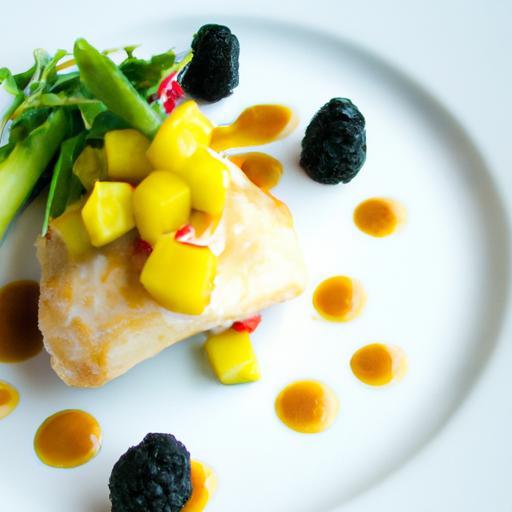
Imagine transforming your own kitchen into a stage where culinary artistry takes center spotlight-where each plate tells a story, and every bite transports you to a world of refined flavors. “Elevate Dinner: Crafting a Homemade Fine Dining Menu” invites you on a journey beyond ordinary meals, unlocking the secrets to creating exquisite dishes worthy of a five-star restaurant. Whether you’re celebrating a special occasion or simply craving an extraordinary evening,this guide will inspire and equip you to design a personalized menu that dazzles the senses and elevates the humble dinner into an unforgettable experience.
elevate Dinner: Crafting a Homemade Fine dining Menu
Elevate Dinner is about more than just cooking; it’s the art of selecting ingredients that transform every dish into a culinary masterpiece. From the fresh brightness of herbs to the luxurious creaminess of artisanal cheeses, the harmony of textures and flavors can turn a humble homemade recipe into an unforgettable dining experience. Inspired by my travels through Europe’s finest kitchens and the simple joys in my own kitchen, I’ve distilled techniques and insights to help you achieve a truly refined meal. Let’s dive into how balancing flavors, styling your plate, and pairing with the perfect beverages can elevate your next homemade dinner.
prep and Cook Time
- Preparation: 25 minutes
- Cooking: 35 minutes
- Total Time: 1 hour
Yield
Serves 4 elegantly.
Difficulty Level
Medium - Ideal for home cooks ready to refine their skills and impress guests.
Ingredients
- 2 cups organic baby spinach, washed and dried
- 1 cup heirloom cherry tomatoes, halved
- 200g wild-caught salmon fillet, skin-on
- 2 tbsp extra virgin olive oil
- 1 tbsp fresh lemon juice
- 1 tsp sea salt
- ½ tsp freshly cracked black pepper
- 50g creamy goat cheese, crumbled
- 1 tbsp toasted pine nuts
- Fresh dill sprigs for garnish
- Optional: edible flowers for plating
Instructions
- Prepare the salmon: Pat the salmon fillet dry and season both sides with sea salt and black pepper. Heat 1 tbsp olive oil in a non-stick skillet over medium-high heat.
- Sear the salmon: place salmon skin-side down and cook for 4-5 minutes until the skin is crisp and golden; flip carefully and cook an additional 3 minutes until the salmon is just cooked through. Remove from heat and let rest.
- Toss the salad: In a large bowl, combine baby spinach and heirloom tomatoes. Drizzle with remaining olive oil and fresh lemon juice, gently tossing to coat evenly without bruising the greens.
- Assemble the plate: Lay a bed of dressed spinach and tomatoes in the center of each plate. Place the salmon fillet atop the salad carefully to maintain its crisp skin.
- Add texture and flavor: sprinkle crumbled goat cheese and toasted pine nuts over the salad. Garnish with delicate dill sprigs and optional edible flowers for a striking visual contrast.
- Final touch: Lightly drizzle any resting juices from the salmon over the dish for added moisture and depth.
Tips for success
- Use fresh, high-quality ingredients-this is key when aiming to elevate dinner with refined simplicity.
- to keep greens vibrant, dress the salad just before plating to prevent wilting.
- For an alternative to salmon, try pan-seared sea bass or lightly grilled chicken breast for a different texture profile.
- Advance prep tip: toast pine nuts a day ahead and store in an airtight container to save time.
- Control heat carefully while cooking the salmon to avoid overcooking; the skin should be crisp without burning.
Serving suggestions
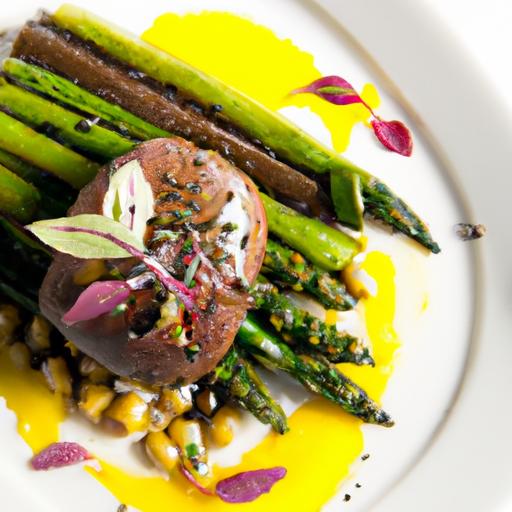
Present this dish on a simple white plate with ample negative space to showcase the contrasting colors-deep greens, vibrant reds, and golden salmon. Pair with a fresh glass of dry Sauvignon Blanc or a sparkling mineral water with a visible lemon twist to complement the light citrus notes.
Garnish with microgreens or edible flowers for a flourish of color,turning your dinner into an edible art piece ready to impress.

| Nutrient | Per Serving |
|---|---|
| Calories | 380 kcal |
| Protein | 34 g |
| Carbohydrates | 6 g |
| Fat | 24 g |
Balancing Flavors and Textures to Elevate Dinner
The key to crafting a homemade fine dining menu is mastering balance. Think of flavor as a symphony: the richness of salmon blends beautifully with the zesty lemon and fresh brightness of baby spinach and tomatoes. Crunch from pine nuts and creaminess from goat cheese adds layers of texture that excite the palate. Each bite should offer a contrast-smooth with crisp, savory with tangy-creating harmony that makes dining a sensory experience.
Plating Techniques That Turn Your creations into Edible Art
When plating, less is frequently enough more. Use the plates as your canvas; arrange ingredients thoughtfully to create height and contrast.Place the protein front and center, use the salad as a vibrant base, and sprinkle garnishes like gems to catch the eye. Consider the color wheel-greens, reds, and bright white cheese offer natural vibrancy.Edible flowers or micro herbs bring a touch of luxury and whimsy, inviting guests to savor with their eyes first.
Pairing Wines and Beverages to Complement Your Homemade Menu
Enhance your elevated dinner experience by pairing your dishes with complementary wines and beverages. A crisp, mineral-driven Sauvignon Blanc cleanses the palate between bites of rich fish and tangy salad.For those who prefer red,a light Pinot Noir with subtle fruit notes can work beautifully. Non-alcoholic options such as sparkling water infused with cucumber or lemon also refresh and balance the meal’s flavors,keeping the dining experience nuanced and refined.
for more on wine pairings, check out Wine Enthusiast’s expert guidelines, and dive deeper into plating ideas with our Modern Plating Techniques for Home Cooks article.
Q&A
Q&A: Elevate Dinner – Crafting a Homemade Fine Dining Menu
Q1: What does it mean to ”elevate” dinner at home?
A1: Elevating dinner means transforming an everyday meal into a memorable culinary experience. It’s about turning simple ingredients into artful plates, engaging all senses, and embracing the rhythm of fine dining – all within the comfort of your own kitchen.
Q2: How can I start crafting a fine dining menu without professional training?
A2: Start with curiosity and patience. pick a theme or cuisine you love, research signature dishes, and focus on balance – flavors, textures, colors. plan courses thoughtfully: an appetizer to tease, a main to impress, and a dessert to delight. Don’t forget the importance of plating and ambiance!
Q3: What are some essential elements to include in a homemade fine dining menu?
A3: A well-rounded menu typically includes:
- A light starter that awakens the palate, like a delicate amuse-bouche or a fresh salad.
- A thoughtful main course that showcases technique and quality ingredients.
- A side or two that offer contrasting textures and complementary flavors.
- A dessert that provides a satisfying and elegant finish.
- Optional: palate cleansers or wine pairings to enhance the flow.
Q4: How crucial is presentation in elevating a dinner?
A4: Presentation is the visual storytelling of your meal. Thoughtful plating sets expectations and heightens anticipation. Use negative space, color contrasts, and height to create drama on the plate.Remember: we eat with our eyes first.
Q5: Can elevating dinner be budget-friendly?
A5: Absolutely! Fine dining doesn’t require luxury ingredients- it calls for creativity and care.Seasonal produce, affordable proteins prepared skillfully, and homemade sauces or garnishes can all make your meal feel indulgent without breaking the bank.
Q6: how can ambience contribute to the fine dining experience at home?
A6: Ambience is the invisible ingredient that ties everything together. Soft lighting, gentle music, elegant table settings, and even thoughtful details like cloth napkins or fresh flowers set the mood and make your guests feel special.
Q7: What tips do you have for pacing the courses?
A7: Timing is key. Allow guests to savor each course without rushing. Prepare certain elements in advance to minimize waiting. Serve smaller portions to keep energy and interest flowing. Encourage relaxed conversation – fine dining is as much about connection as cuisine.
Q8: how can I incorporate personal touches into my fine dining menu?
A8: Personalize your menu by weaving in family favorites with a gourmet twist, highlighting your cooking strengths, or drawing inspiration from memorable travels. Adding a handwritten menu or sharing the story behind each dish creates intimacy and invites engagement.
Q9: Are there any beginner-friendly dishes recommended for a first fine dining menu?
A9: Yes! Think elevated comfort foods: a velvety butternut squash soup with toasted sage, seared chicken breast with a red wine reduction, or a classic panna cotta with seasonal berries. These dishes are approachable yet impressive.
Q10: What mindset should I have when hosting an elevated dinner at home?
A10: Embrace joy and imperfection. The goal is connection and experience, not perfection. Be present, flexible, and savor the creative journey as much as the final feast. your enthusiasm will shine through every bite.
Key Takeaways
As the final course comes to a close and the last sip of wine lingers on your palate, remember that elevating dinner into a fine dining experience is less about perfection and more about intention.Crafting a homemade fine dining menu invites you to explore flavors,textures,and presentations that transform everyday ingredients into extraordinary moments. With each carefully plated dish and thoughtfully paired element, you not only nourish the body but also celebrate the art of hospitality within your own kitchen. So go ahead-let your creativity soar, savor the process, and turn every meal into a memorable feast that delights the senses and elevates your culinary confidence.