
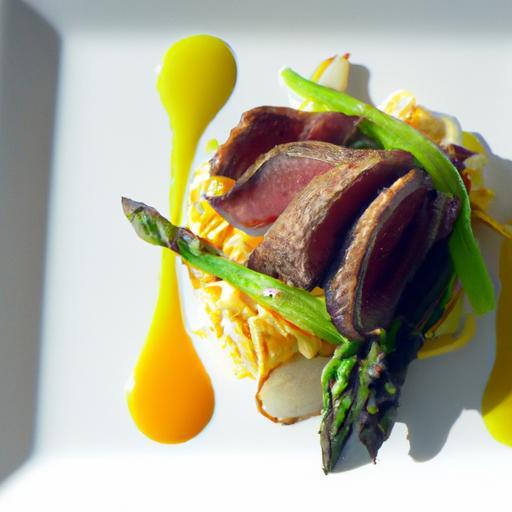
In the art of cooking,flavor often takes center stage-but what if the first bite began long before your fork even touches the food? Elevating your meals isn’t just about mastering recipes; it’s about transforming your plate into a canvas that delights the eyes and stirs the inventiveness. For home chefs eager to impress family and friends, creative plating offers an exciting way to showcase culinary creations with flair and finesse. In this article, we’ll explore inventive plating techniques that turn everyday dishes into unforgettable dining experiences-becuase a beautifully presented meal not only feeds the body but also nourishes the soul.
Elevate Your Meals: Creative Plating Tips for home Chefs
Elevate your meals with creative plating tips for home chefs that transform everyday dishes into extraordinary visual feasts. Drawing inspiration from classic culinary artistry and modern aesthetics, mastering the art of color balance, texture, and inventive garnishing techniques can bring your plate to life. Whether it’s a simple weeknight dinner or a celebratory occasion, these approaches ensure your food looks as remarkable as it tastes.
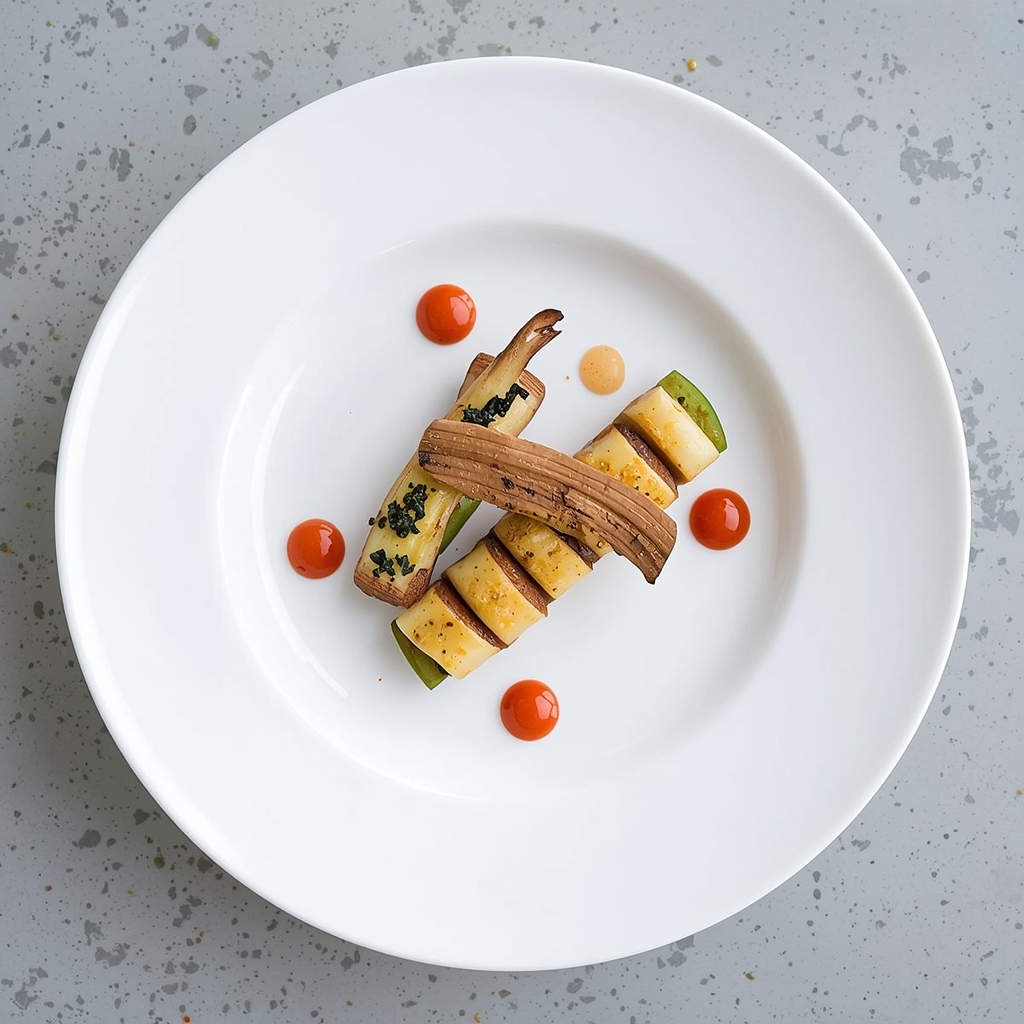
Prep and Cook Time
- Planning: 15 minutes
- Cooking: 20 minutes
- Total Time: 35 minutes
Yield
Serves 4 elegantly plated servings
Difficulty Level
Medium – perfect for home chefs looking to enhance presentation skills
Ingredients
- 4 boneless chicken breasts, trimmed
- 2 tbsp olive oil
- 1 tsp smoked paprika
- Salt and freshly ground black pepper, to taste
- 1 cup rainbow baby carrots, peeled and blanched
- 1 cup sautéed spinach
- 1/2 cup quinoa, cooked and fluffed
- Fresh herbs: 1 tbsp chopped parsley, 1 tbsp chopped chives
- Edible flowers: nasturtiums or pansies (optional for garnish)
- fresh lemon wedges, for serving
Instructions
- Season the chicken breasts evenly with smoked paprika, salt, and pepper. Let them rest for 5 minutes to absorb the flavors.
- Heat olive oil in a large skillet over medium-high heat. Place chicken breasts in the pan and sear until golden brown, about 5-6 minutes per side depending on thickness. Internal temperature should reach 165°F (74°C).
- While the chicken cooks, prepare the quinoa as per package instructions and fluff gently with a fork. Keep warm.
- Blanch the rainbow baby carrots in boiling water for 3 minutes until tender-crisp, then shock in ice water to preserve color and texture.
- Sauté spinach quickly in a splash of olive oil and a pinch of salt until just wilted. Avoid overcooking to retain vibrant green color.
- To plate, start with a bed of quinoa positioned off-center to create negative space on the plate’s surface.
- Arrange the sautéed spinach next to the quinoa, adding a leafy texture contrast.
- Fan out the baby carrots in a neat cluster, ensuring their shining orange hues pop against the dark spinach and pale quinoa.
- Place the golden chicken breast overlapping the quinoa slightly, adding height and dimension.
- Garnish thoughtfully with fresh chopped parsley and chives for bursts of green color and freshness.
- Optional: Scatter edible flowers gently around the plate to introduce delicate pops of unexpected color and organic shapes.
- Finish with a lemon wedge strategically placed on the edge of the plate for a zesty visual and flavor accent.
Tips for Success
- Color balance: Use complementary and contrasting hues thoughtfully-orange carrots against green spinach make the plate lively without cluttering.
- Texture contrast: Pair tender chicken with crisp carrots and fluffy quinoa to engage multiple senses.
- Negative space: Avoid overcrowding by leaving white space; it frames your food and elevates aesthetic appeal.
- Fresh garnishes: Always add fresh herbs at the last moment to maintain vibrancy and a fragrant aroma.
- Edible flowers: make sure the flowers are pesticide-free and suitable for consumption to avoid any unpleasant taste or health risks.
- Make-ahead: Prepare quinoa and blanch vegetables a day in advance to reduce day-of cooking stress.
Serving Suggestions
To truly elevate your meals with creative plating,serve this dish on a matte white or slate gray plate. Use a ring mold to shape the quinoa perfectly, if desired.Pair with a light white wine such as Sauvignon Blanc or a sparkling mineral water with a slice of fresh lemon for a refreshing complement. Encourage guests to garnish their plates further with fresh herbs from the table for an interactive experience.

| Nutrition | Per Serving |
|---|---|
| Calories | 350 kcal |
| Protein | 34 g |
| Carbohydrates | 26 g |
| Fat | 12 g |
For even more inspiration on plating and presentation techniques, check out our detailed guide on Creative Food Garnishing Ideas. to deepen your knowledge of color theory in food, Color Matters offers an excellent resource on the fundamentals of color harmony.
Q&A
Q&A: Elevate Your Meals – Creative Plating Tips for Home Chefs
Q1: Why should home chefs care about plating their meals?
A1: Plating isn’t just for fine dining-it’s the art of making your food irresistible before the first bite. Thoughtful presentation enhances appetite, excites the senses, and transforms cooking from a routine task into a creative expression. When your plate looks as good as it tastes, mealtime becomes a celebration.
Q2: What’s the first step to plating like a pro at home?
A2: Begin with a clean canvas-your plate. Opt for simple designs and colors that complement your dish. White plates are classic for a reason: they make ingredients pop. Next, think about balance-not just in flavors, but visually. Arrange components to create focal points that draw the eye across the plate.
Q3: How can layering add depth to a plated dish?
A3: Layering introduces height and dimension, turning a flat meal into a visual story. Stack elements thoughtfully-try placing a sauced protein atop a bed of grains or nestling vegetables around a vertical tower of mashed potatoes. This technique invites diners to explore textures and flavors bite by bite.
Q4: Are there any simple tricks to make homemade meals look more gourmet?
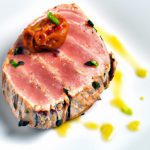
A4: Absolutely! Use garnishes that add color and contrast-think fresh herbs, edible flowers, or a sprinkle of crunchy nuts. Drizzling sauces or oils in deliberate patterns and using tools like squeeze bottles for precision can also mimic restaurant flair. Remember, less is more; subtlety frequently enough wins over clutter.
Q5: How important is color when plating?
A5: Color is your silent language. A vibrant palette awakens the appetite and sets the mood. Combine warm tones (reds, oranges) with cool greens or purples to create harmony. Pay attention to the natural colors of your ingredients, and don’t hesitate to add pops of brightness with vegetables or sauces.
Q6: Can plating influence the perception of flavor?
A6: Definitely.Visual appeal primes our expectations-beautifully arranged food can make flavors seem more intense and satisfying. When presentation excites the brain, it heightens the overall dining experience, making your homemade dishes feel indulgent and special.
Q7: What’s a quick plating tip that anyone can try tonight?
A7: Use the “rule of thirds.” Imagine your plate divided into three sections and place main components off-center rather than smack dab in the middle. Add a sauce swipe or dot on the side, and finish with a sprinkle of fresh herbs. This simple shift adds sophistication in seconds.
Q8: How can home chefs practice plating without feeling overwhelmed?
A8: Start small.Treat plating like painting-experiment with different layouts and colors, snap photos, and note what pleases you visually. Over time, you’ll develop an intuitive sense for what works. Remember, creativity thrives with patience; mistakes are just steps toward your signature style.
Q9: Is there a connection between plating and mindful eating?
A9: Plating encourages mindfulness by inviting you to slow down and appreciate your meal visually before digging in. This pause can enhance gratitude, increase satisfaction, and deepen your connection to the food you’ve prepared. When a plate is thoughtfully arranged, eating becomes an experience instead of a routine.
Q10: Any final advice for home chefs wanting to elevate their meals through plating?
A10: Embrace plating as part of your culinary storytelling. Each dish is an opportunity to share your creativity and passion. Don’t chase perfection-let your personality shine through the colors, textures, and compositions on your plate. After all, the best presentation is one served with love.
In Retrospect
As you step back to admire your finished plate, remember that plating is more than just presentation-it’s an invitation to savor every bite with your eyes first. By embracing these creative plating tips, you transform ordinary meals into extraordinary experiences that delight not only the palate but the soul. So, let your imagination run wild, play with colors and textures, and turn your kitchen into a gallery where each dish tells its own delicious story. After all, when you elevate your meals visually, you elevate the joy of cooking and sharing them too.