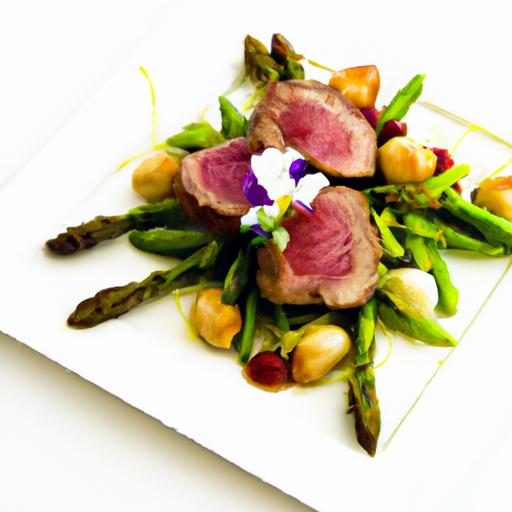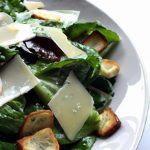

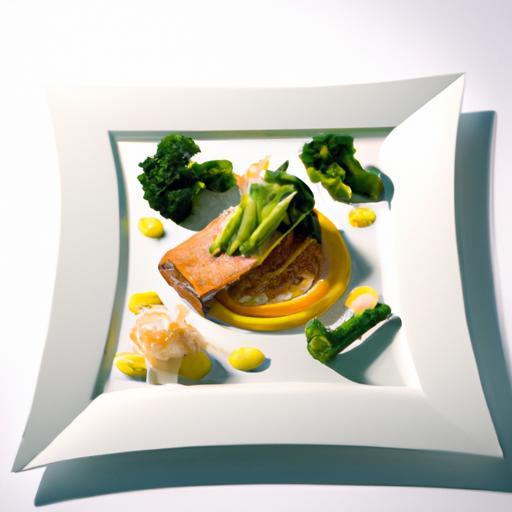
In the world of home cooking, flavor often takes center stage-but what if your dishes could delight not only the palate but also the eyes? elevating your meals from simple plates to stunning visual experiences transforms everyday dining into a celebration of artistry and taste. Mastering the art of plate presentation is more than just arranging food; it’s about telling a story on each dish, engaging all the senses, and sparking anticipation before the first bite. In this article, we’ll explore creative techniques and practical tips to help you turn your home-cooked meals into elegant, eye-catching masterpieces that impress both family and guests alike. Ready to bring a new level of sophistication to your kitchen? Let’s dive in.
Choosing the Perfect Canvas: Exploring Plates and Dishware to Enhance Your Presentation
Elevate Your Home Cooking begins with selecting the right plate-this simple choice becomes the foundation of your culinary masterpiece. A thoughtfully chosen canvas not only frames your food but also complements the colors, shapes, and textures on the dish. As a notable example, crisp white plates remain a timeless favorite, offering a clean backdrop that makes vibrant ingredients pop. However, don’t shy away from darker tones or subtly patterned dishware; these can add drama and depth, notably with lighter or brightly colored foods.
Consider the shape and size carefully. A wide, flat plate invites artistry and allows components to breathe, while a deep bowl suits brothy or saucier dishes beautifully. Porcelain, stoneware, and earthenware each lend a distinct mood-from sleek modern to rustic charm-allowing you to match the plate with the story your dish tells.
Balancing Colors and Textures: Crafting Visual Harmony on Every Plate
Visual harmony in plate presentation creates an instant connection between the diner and the flavors to come. To elevate your home cooking visually, balance bold and muted colors so the plate doesn’t become too busy or monotonous. Bright ingredients like cherry tomatoes,microgreens,or pomegranate seeds provide vibrant pops while creamy sauces or grains soften the palette.
Textures add another layer of interest. Combine smooth purées, crisp vegetables, tender proteins, and crunchy garnishes to engage the eye and excite the palate.The magic lies in contrast: pair a velvety beet purée with toasted nuts or crisp herb sprigs, allowing each bite to tell a story of complexity and care.
the Art of Garnishing: elevate Flavors with Thoughtful and Edible Accents
Garnishes are not mere decorations; they are flavor-enhancing storytellers. When you use edible accents like fresh herbs, edible flowers, toasted seeds, or finely shaved citrus zest, your dish achieves an aromatic and textural crescendo. For example, a sprinkle of chives over a creamy soup adds a mild onion fragrance and splash of green, drawing guests into the taste experience.
Remember, these accents should always complement-not compete-with the main ingredients. Less is more when garnishing thoughtfully, and placing them with a deliberate hand creates an elegant, curated feel.
Plating with Purpose: Techniques to Direct Attention and Create Culinary Storytelling
Elevate your home cooking further by plating with intention,crafting a visual narrative that guides the diner’s gaze and awakens curiosity. Use the rule of thirds by positioning the main element slightly off-center, allowing negative space to frame it beautifully. Layering components-such as stacking vegetables beneath a protein or drizzling sauce asymmetrically-adds dimension and crafts a tale of thoughtful planning.
Use height and angles to break monotony; elevating one ingredient slightly above others creates focal points and invites interaction. clean your edges meticulously for a polished finish. Each plate should feel like a snapshot of your passion and creativity, inspiring diners even before the first bite.
Prep and Cook Time
- Preparation: 20 minutes
- Cooking: Varies depending on recipe – generally 30 to 40 minutes
yield
- Serves 4 elegantly plated meals
Difficulty Level
- Intermediate – Requires some plating technique practice
Ingredients
- 4 large white porcelain plates with a 10-inch diameter, clean and dry
- 2 cups mixed seasonal vegetables (thinly sliced or blanched for color)
- 1 cup protein of choice (seared chicken breast, grilled tempeh, or pan-fried fish)
- 1/2 cup purée (e.g., roasted beet or carrot purée for color contrast)
- 1 tablespoon toasted nuts or seeds (pine nuts, pumpkin seeds)
- Fresh herbs such as microgreens, cilantro, or parsley for garnish
- Edible flowers (optional but adds a striking visual and aromatic touch)
- Flavored oil or reduction sauce for drizzling (balsamic glaze, herb-infused olive oil)
- Zest of 1 lemon, finely grated for a bright finish
Instructions
- Prepare your components: Cook and season your protein and vegetables according to your recipe, ensuring vibrant colors and proper textures.
- Warm your plates: warming your dishware slightly keeps your food from cooling too quickly. Place plates in a warming oven at 100°F for 5 minutes.
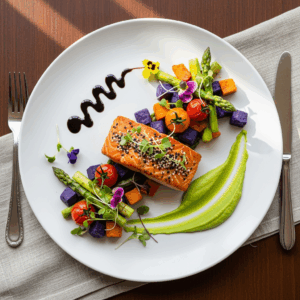
- Create the purée base: Using a spoon, spread 2 tablespoons of purée onto the plate in a sweeping motion to one side, creating a colorful foundation.
- Arrange vegetables: Neatly place the sliced or blanched vegetables atop or beside the purée, maintaining color contrast and spacing for balance.
- Place the protein: Lay the seared or grilled protein off-center on the plate, slightly overlapping the vegetable arrangement to build dimension.
- Drizzle and garnish: Carefully drizzle 1 teaspoon of flavored oil or reduction sauce around the plate, avoiding oversaturation. Sprinkle toasted nuts and scatter fresh herbs and edible flowers thoughtfully around the composition.
- Add finishing touches: Lightly zest lemon over the dish for a fresh, aromatic pop that brightens flavors.
- Final inspection: Wipe any smudges from the rim with a clean cloth for a professional, polished presentation.
Tips for Success
- Use tweezers for precise placement of small garnishes to avoid smudging or overcrowding.
- Choose garnishes that support or enhance the flavor profile rather than overpower it.
- Practice makes perfect: Try plating components in different arrangements to find your personal style.
- Make-ahead tip: Purées and sauces can be prepared a day in advance and refrigerated; reheat gently before plating.
- For a rustic aesthetic, consider using textured stoneware plates and natural elements like herb sprigs and nuts in their natural form.
Serving Suggestions
Present each plate as a sensory experience. Serve immediately on warmed plates with a side of crusty artisan bread or a simple green salad dressed lightly to keep the spotlight on your artful creation. A glass of crisp white wine or sparkling water with a lemon wedge further refreshes the palate.
Consider a minimalist table setting with neutral linens and subtle napkins so the dish remains the center of attention. Soft lighting will enhance colors and cast appealing shadows, inviting diners to pause, appreciate, and savor.

| Nutrient | Per Serving |
|---|---|
| Calories | 320 |
| Protein | 28g |
| Carbohydrates | 18g |
| Fat | 12g |
For more inspiration on presenting dishes with style, check out our thorough plating techniques guide.To deepen your understanding of color theory in food, the Cook’s Illustrated feature on color harmony offers expert insights.
Q&A
Q&A: Elevate Your Home Cooking – Mastering Artful Plate Presentation
Q1: Why does plate presentation matter in home cooking?
A1: Plate presentation transforms a simple meal into an experience. It engages the eyes first, setting the stage for the flavors to come. When your dish looks thoughtfully composed, it elevates the anticipation and enjoyment, making even everyday recipes feel special and restaurant-worthy.
Q2: What basic principles should I follow to create an artful plate?
A2: Start with balance – think about color, texture, and portion size. Use the “rule of thirds” to position your main elements off-center to create visual interest.Incorporate height and layering to add dimension. Remember, white space is your friend; it prevents the plate from looking overcrowded and lets each ingredient shine.
Q3: How can I use color to enhance my plate’s appeal?
A3: Color invites appetite and excitement.Contrast vibrant veggies with neutral proteins or starches. A sprinkle of fresh herbs or edible flowers can add pops of color that elevate the plate. Think like a painter-your plate is the canvas,so mix complementary and contrasting hues thoughtfully.
Q4: Are there simple tricks for garnishing without overwhelming the dish?
A4: Absolutely! use garnishes that are edible and enhance flavor, like microgreens, zest, or a drizzle of sauce. Keep it minimal and purposeful – less is often more. Avoid generic garnishes that feel like an afterthought; rather, choose accents that echo or complement the main ingredients.
Q5: How vital is the choice of plate or dishware?
A5: Very critically important. Your plate sets the stage. Simple, clean plates highlight the food, while textured or colored plates can add mood and character. Consider the size relative to the portion - a plate too large can dwarf your food, while one too small may look cramped. The shape and rim can also guide how you arrange the components.
Q6: Can I master artful presentation without fancy tools?
A6: Yes! You don’t need special gadgets to create stunning plates. Use household items creatively: a spoon for drizzling sauces, a small bowl to shape rice or mashed potatoes, or tongs to place delicate ingredients precisely.The key is patience and a mindful eye.
Q7: How can I develop my plating style?
A7: Experimentation and observation are your best teachers. Try plating your favorite dishes in different ways and take photos to compare. Look at culinary magazines, food blogs, or even art for inspiration.Over time, you’ll discover patterns and preferences that define your unique presentation style.
Mastering artful plate presentation is more than an aesthetic exercise-it’s a creative dialog between your food and your guests, turning every meal into an invitation to savor not just taste, but beauty.
Final Thoughts
As you embark on the journey of elevating your home cooking through artful plate presentation, remember that every meal is an opportunity to tell a story-one that engages the eyes before it delights the palate. By embracing thoughtful arrangement, harmonious colors, and intentional touches, you transform simple dishes into memorable experiences. Mastering this beautiful balance of form and flavor not only honors the ingredients but also invites your guests to savor the moment fully. So, let your creativity flow freely, and watch as your kitchen creations become not just meals, but edible works of art that inspire and captivate with every bite.