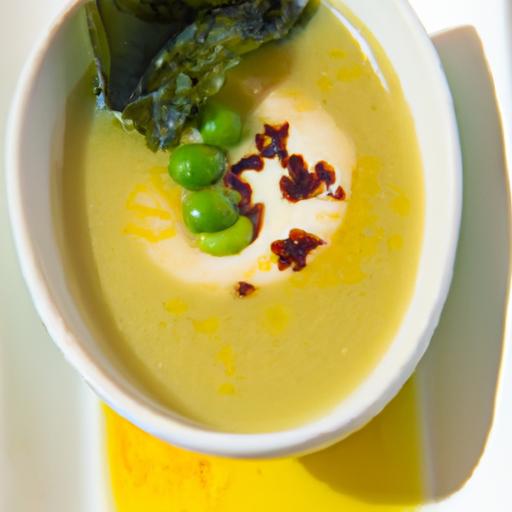

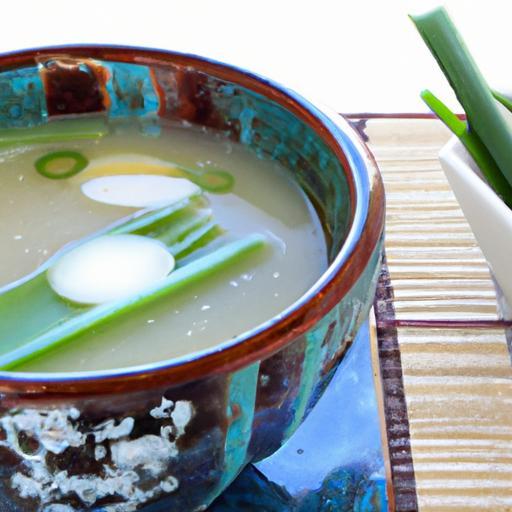
Miso soup,a warm staple of Japanese cuisine,has long been cherished for its comforting flavors and nourishing qualities. But what happens when we take this beloved broth and serve it chilled? Enter chilled miso soup-a refreshing twist that promises the same umami-rich taste wiht a cool, revitalizing edge. As summer temperatures rise and culinary boundaries expand, many are left wondering: can this cold version deliver the same safety, flavor, and nutritional benefits as its traditional warm counterpart? In this article, we dive into the science and culinary art behind chilled miso soup to explore whether it truly stands up as a safe, tasty, and nutrient-rich option perfect for any season.
Chilled miso soup offers a refreshing twist on a beloved Japanese staple, transforming the warm, umami-rich broth into a cool and invigorating experience perfect for warmer days or as a delicate appetizer. Drawing from its centuries-old roots, this soup balances the hearty depth of miso paste with crisp, refreshing ingredients that unlock a vibrant flavor profile while preserving the essential nutrients of its traditional form. Whether you’re a seasoned home cook or a curious culinary adventurer, preparing this chilled delight safely and effectively will elevate your kitchen repertoire.
Prep and Cook Time
Preparation: 15 minutes
Cook time: 10 minutes (mostly for broth preparation)
Chilling time: At least 1 hour
yield
Serves 4 generous portions
Difficulty Level
Easy – Ideal for all skill levels, especially those new to Japanese cuisine or cold soups
ingredients
- 4 cups dashi stock (preferably homemade or high-quality instant dashi powder)
- 3 tablespoons white miso paste (shiro miso, smoother and milder)
- 1/2 cup silken tofu, cubed
- 1/4 cup wakame seaweed, rehydrated and chopped
- 2 green onions, finely sliced
- 1 small cucumber, peeled and thinly sliced (for crisp texture and freshness)
- 1 teaspoon toasted sesame seeds, for garnish
- 1/2 teaspoon yuzu zest or lemon zest (optional for an aromatic citrus note)
- Ice cubes (optional, to chill instantly when serving)
Instructions
- Prepare the dashi stock: If using instant dashi powder, dissolve 1 teaspoon in 4 cups of hot water and let it cool fully in the refrigerator before use. for homemade, strain the broth well and chill.
- Whisk the miso paste gently: Place the miso paste in a small bowl. Add a ladle of chilled dashi and whisk until the miso dissolves entirely, forming a smooth slurry.This helps prevent lumps in the final soup.
- Combine the broth and miso: Slowly pour the miso slurry back into the cold dashi stock,stirring gently to incorporate. Avoid boiling the miso post-addition to preserve enzymatic and probiotic benefits.
- Add tofu, wakame, and cucumber: Gently fold in the cubed silken tofu, rehydrated wakame, and crisp cucumber slices, distributing evenly.
- Chill the soup: Cover the bowl tightly and refrigerate for at least 1 hour to allow flavors to meld and the soup to become refreshingly cold.
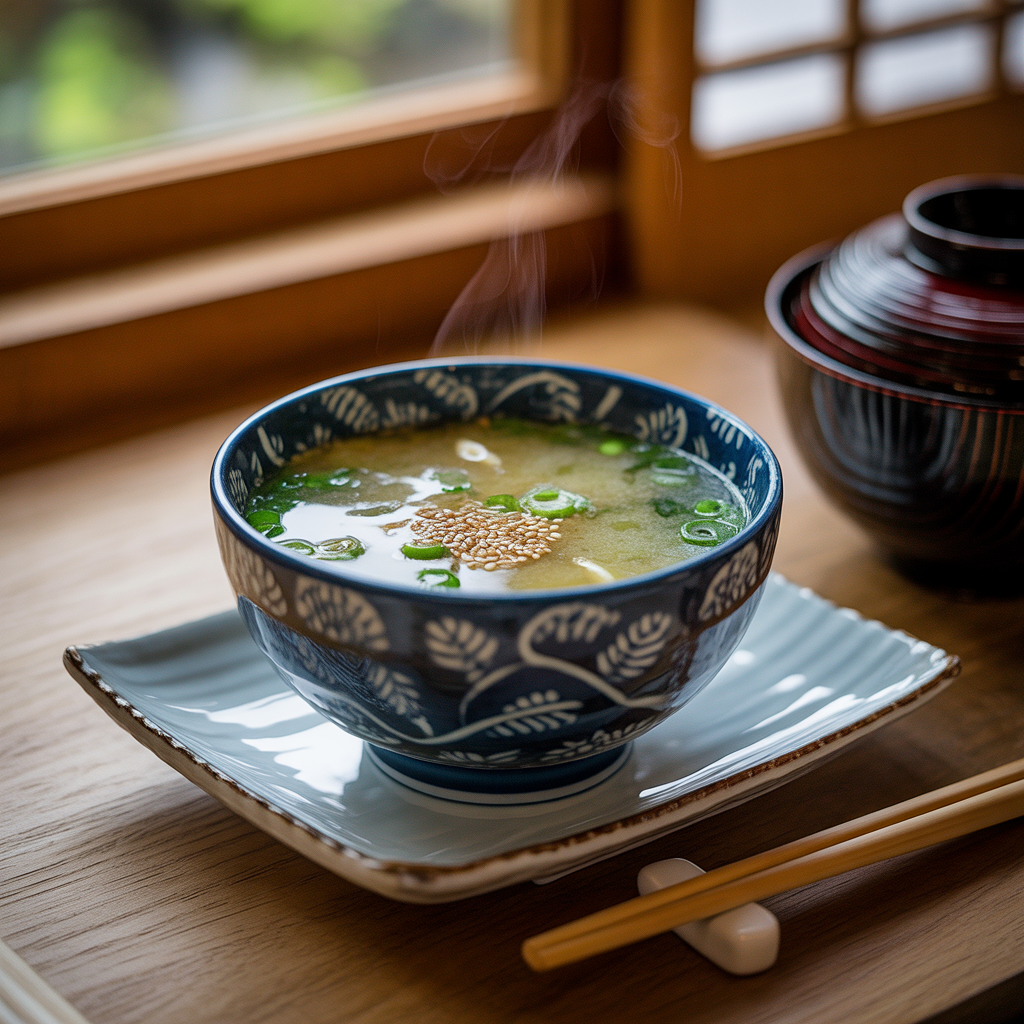
- Serve and garnish: Pour chilled soup into individual bowls. Sprinkle with green onions, toasted sesame seeds, and a touch of yuzu zest for brightness. Add an ice cube if desired for an extra chill.
Tips for Success
- Choose your miso wisely: White miso (shiro) is mild and slightly sweet, perfect for cold preparations. Avoid dark miso which can overpower and become too salty when chilled.
- Do not boil miso: Heat destroys its probiotics and delicate flavors. Always add miso to cooled or cold broth.
- Use fresh ingredients: Silken tofu and wakame should be fresh and handled gently to maintain texture.
- Storage tip: Keep leftover chilled miso soup refrigerated no longer than 2 days. Store in an airtight container to avoid flavor absorption and bacterial growth.
- Substitutions: If wakame is unavailable, substitute with finely chopped baby spinach or blanched green beans for a different but complementary mouthfeel.
- Make-ahead: prepare the base soup a day early and add fresh tofu and cucumbers just before serving for optimal freshness.
Serving suggestions
Chilled miso soup is best enjoyed in small,delicate bowls,highlighting its clarity and vibrant garnishes. Serve alongside a plate of sushi rolls, chilled soba noodles, or a crisp seaweed salad for a balanced, light meal. For an elegant presentation, float edible flowers like chrysanthemum petals or shiso leaves to add colour and sophistication. Pair with a cold sake or light green tea to harmonize the flavors.
| Nutritional Aspect | Per Serving |
|---|---|
| Calories | 75 kcal |
| Protein | 6 g |
| Carbohydrates | 5 g |
| fat | 3 g |

For further insight into perfecting traditional Japanese broths,explore Our Ultimate Dashi Guide.To deepen your food safety knowledge, the FDA’s Food Safety Guidelines provide crucial tips on handling cold dishes safely.
Q&A
Q&A: Chilled Miso Soup – Safe, Tasty, and Nutrient-Rich?
Q1: Can miso soup be safely enjoyed chilled?
Absolutely! While traditionally served warm, miso soup can be chilled without compromising safety-provided it’s prepared and stored properly. Because miso is fermented and contains natural probiotics, it helps inhibit harmful bacteria. Just make sure to refrigerate the soup promptly and consume it within a couple of days to keep it fresh and safe.
Q2: Does chilling miso soup affect its flavor?
Yes, chilling miso soup transforms its flavor profile. The cool temperature can mellow the umami-rich broth and highlight subtle nuances in the fermented miso, creating a refreshing and delicate taste ideal for warm days. Some might find the chilled version less comforting than hot, but it offers a unique, nuanced experience that’s surprisingly delightful.
Q3: What about texture – does chilling change it?
Chilling can cause some ingredients,like tofu or seaweed,to firm up slightly and have a crisper texture. This contrast can be very pleasant, giving the soup a bit of bounce and freshness. Just avoid adding delicate greens before chilling, as they may wilt or become soggy.
Q4: Is chilled miso soup still nutrient-rich?
Definitely! The main nutritional benefits of miso soup-such as protein, vitamins, minerals, and probiotics-remain intact when chilled. Actually, cooler temperatures can definitely help preserve some heat-sensitive nutrients. Plus, the probiotics from fermented miso can support gut health whether the soup is hot or cold.
Q5: How can I make the perfect chilled miso soup at home?
Start with high-quality miso paste-white miso tends to be milder and suits cold preparations well. Prepare a flavorful dashi broth, then dissolve the miso off-heat to preserve its live cultures. Add toppings like silken tofu, sliced scallions, wakame seaweed, and perhaps a splash of yuzu or citrus for brightness. Chill the soup in the fridge for at least an hour before serving. For best taste and safety, enjoy within 2 days.
Q6: Who would benefit most from chilled miso soup?
Anyone looking for a light, nutrient-packed, and refreshing dish will love it! It’s especially great for hot climates, summer meals, or as a cooling, digestive-friendly appetizer enriched with probiotics. plus, it’s vegan-friendly, low-calorie, and easy to customize, making it a versatile addition to any diet.
In summary: Chilled miso soup is not just safe-it’s a tasty, nourishing twist on a beloved classic. With its gentle umami, probiotic punch, and revitalizing coolness, it invites you to slip into something a little more refreshing.So next time you’re craving miso, think beyond the steam-your taste buds and tummy might just thank you!
Wrapping Up
In the ever-evolving world of culinary exploration, chilled miso soup emerges as a refreshing twist on a beloved classic-offering not only a burst of umami flavor but also a nutritious boost that fits perfectly into modern, health-conscious lifestyles. Whether you’re seeking a safe, tasty way to cool down on a warm day or aiming to incorporate more wholesome ingredients into your diet, chilled miso soup stands out as a versatile option worth savoring. So next time you’re in the mood for something both comforting and invigorating, don’t hesitate to give this chilled delight a try-your taste buds and your body will thank you.