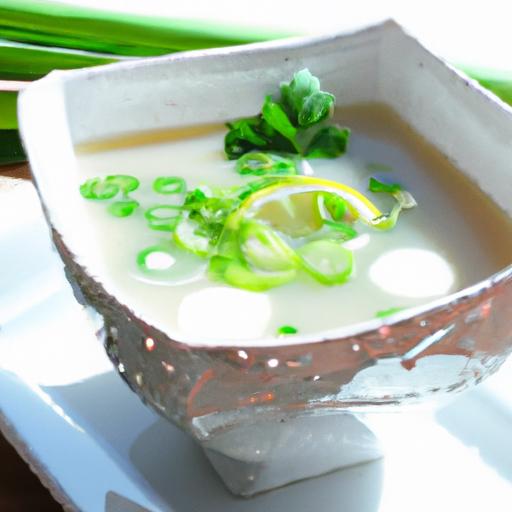

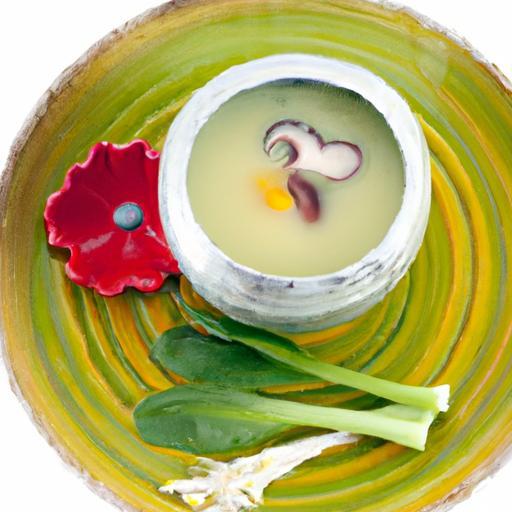
When you think of miso soup, the comforting image of a steaming bowl brimming with umami-rich broth and tender tofu often comes to mind. But what happens when this traditional Japanese staple takes a chilly turn? Chilled miso soup is gaining attention as a refreshing choice, especially in warmer months, sparking curiosity and a few questions: Is cold miso safe to drink? Does lowering the temperature alter its signature depth of flavor? In this article, we dive into the science and culinary charm behind chilled miso, exploring whether this cool twist can deliver the same nourishing warmth in a crisp, invigorating sip.
Chilled miso soup offers a refreshing twist on the traditional warm broth, seamlessly blending cultural heritage with modern culinary innovation. This version of chilled miso soup is perfect for warmer days or as a light, nourishing starter that tantalizes the palate with subtle umami notes and delicate textures. Understanding the science behind cold miso and its safety allows you to enjoy this dish confidently, while the nuanced flavor profiles and texture changes unlock new dimensions of the classic soup.
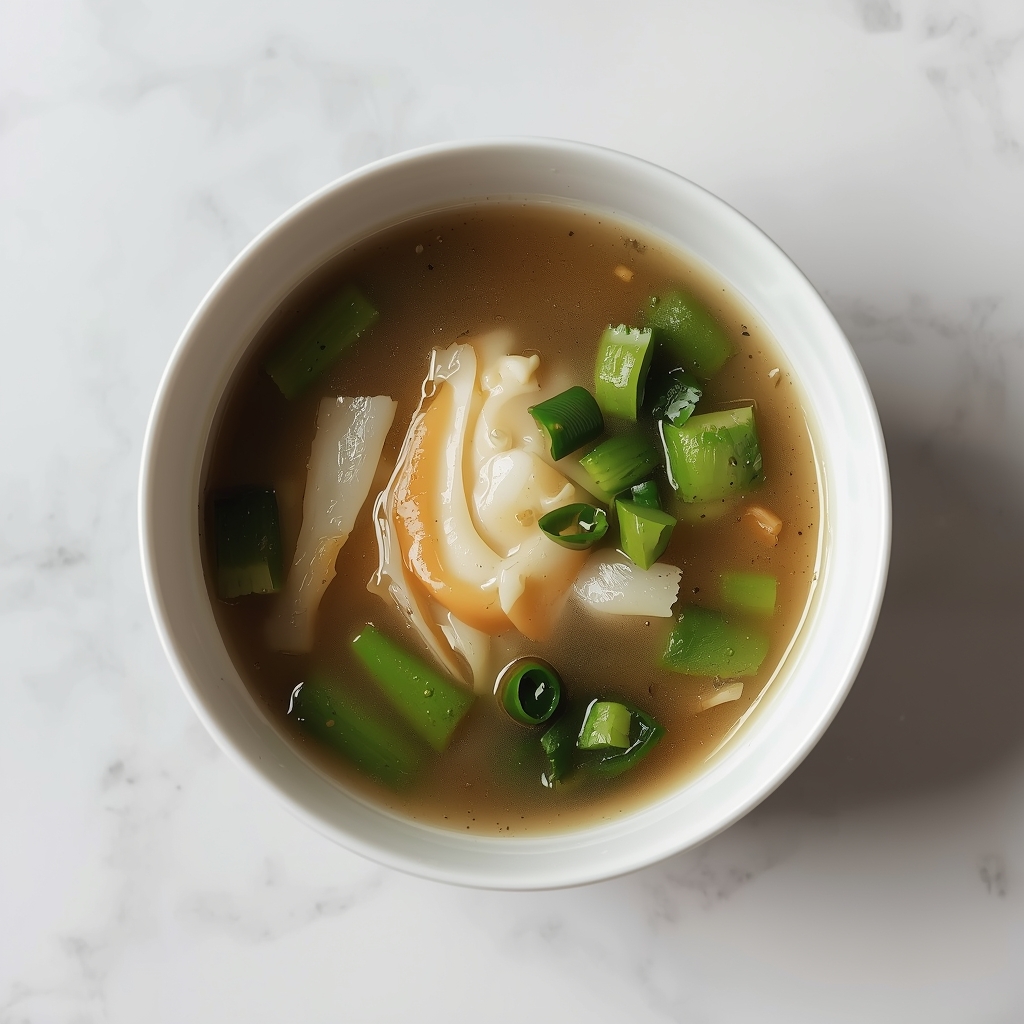
Prep and Cook Time
Total Time: 15 minutes (Prep: 10 minutes, No-cook assembly: 5 minutes)
Yield
Serves 4 generous portions
Difficulty Level
Easy – Perfect for all home cooks, no specialized equipment needed
Ingredients
- 4 cups cold dashi broth (kombu and bonito-based)
- 3 tablespoons white miso paste (shiro miso)
- 1/2 cup firm tofu, cut into 1/2-inch cubes
- 2 tablespoons chopped green onions (scallions)
- 1/4 cup wakame seaweed, soaked and drained
- 1 small cucumber, peeled and julienned
- 1 teaspoon toasted sesame seeds for garnish
- Optional: thinly sliced shiso leaves or microgreens for freshness
Instructions
- Prepare the dashi broth: Start with cold dashi to preserve the subtle flavors and ensure the soup remains refreshing. You can use homemade dashi or a high-quality instant powder dissolved in cold water.
- Dissolve miso paste: In a medium bowl, take a few tablespoons of cold dashi broth and whisk in the white miso paste until smooth and lump-free.This prevents clumping and ensures even distribution of that signature umami.
- Combine broth and miso: Gently stir the miso mixture back into the remaining cold dashi broth. Avoid vigorous stirring to preserve the delicate flavors and prevent oxidation.
- Add tofu and wakame: Carefully fold in the cubed tofu and hydrated wakame seaweed. Thes ingredients contribute to the texture contrast and keep the soup light and nutrient-rich.
- Incorporate fresh vegetables: Add the julienned cucumber and chopped green onions for a refreshing crunch and bright flavor balance against the creamy miso base.
- Chill: refrigerate the soup for at least 30 minutes before serving, allowing the flavors to meld and the soup to reach an invigorating cold temperature.
- Garnish and serve: just before serving, sprinkle toasted sesame seeds and optional shiso leaves or microgreens on top for visual appeal and layered flavor.
Chef’s Notes
- Cold Miso Safety: Use pasteurized miso paste and keep the soup refrigerated to prevent bacterial growth. Cold miso soup holds best consumed within 24 hours.
- Flavor Variation: Try substituting white miso with red miso for a deeper, more robust flavor, but be mindful this can intensify the saltiness when chilled.
- Make-ahead Tips: Prepare dashi and miso paste blend ahead, then mix fresh ingredients just before serving to maintain cucumber crispness and tofu softness.
- Vegetarian/Vegan Option: Use kombu dashi without bonito flakes, and verify miso paste is vegan-friendly to suit dietary preferences.
Serving Suggestions
Serve chilled miso soup in a clear glass bowl to highlight the delicate colors and textures – vibrant green wakame, pristine tofu cubes, and light cucumber ribbons.Pair with steamed jasmine rice or lightly pickled vegetables for a light lunch or elegant appetizer. A side of cold green tea or yuzu-infused sparkling water beautifully complements the clean, umami-rich flavors.
| Nutrient | Per Serving |
|---|---|
| calories | 60 kcal |
| Protein | 5 g |
| Carbohydrates | 4 g |
| Fat | 2 g |

For further reading on the health benefits and cultural meaning of miso, visit the Healthline overview on miso nutrition. Also, explore our detailed classic miso soup recipe for a traditional warm option that complements your chilled miso experience.
Q&A
Q&A: Chilled Miso Soup – Is Cold Miso Safe and Tasty to Drink?
Q1: What exactly is miso soup, and how is it traditionally served?
A1: Miso soup is a beloved Japanese staple made from a savory broth called dashi blended with miso paste-fermented soybeans packed with umami goodness. traditionally, it’s served warm, even piping hot, to comfort the palate and highlight its soothing flavors.
Q2: Can miso soup be consumed cold, or is it only meant to be enjoyed hot?
A2: Absolutely, miso soup can be enjoyed cold! Though warm is most common, chilling miso soup offers a refreshing twist, especially during hot summer days. It’s like giving this classic dish a crisp, cool upgrade while keeping its nourishing qualities intact.
Q3: Is it safe to drink miso soup when it’s cold?
A3: Yes, chilled miso soup is safe to drink-provided that it has been properly refrigerated and consumed within a day or two. As miso is fermented and salty, it naturally resists harmful bacteria, making it less perishable than many other soups. Just make sure to store it in the fridge and avoid leaving it out to long.
Q4: Does chilling miso soup alter its taste and texture?
A4: Indeed, cooling miso soup changes its character.The flavors mellow and deepen, and the soup’s texture becomes slightly thicker and silkier. Some might find the umami notes more pronounced, while others may prefer adding crisp toppings like cucumber or scallions for a fresh crunch.
Q5: Are there any special ingredients or recipes designed specifically for cold miso soup?
A5: Yes! some recipes tailor miso soup for cold enjoyment by incorporating seasonal vegetables like shredded daikon, wakame seaweed, or even chilled tofu cubes. There’s also Hiyamiso, a style of cold miso soup often paired with refreshing garnishes like grated ginger, shiso leaves, or sprouts to brighten the palate.
Q6: Does drinking cold miso soup offer the same health benefits as warm miso soup?
A6: Generally, yes. The probiotics in miso are sensitive to high heat,so consuming miso soup at lower temperatures-whether warm or cold-can definitely help preserve these beneficial bacteria. Chilled miso soup can be just as nourishing,digestible,and hydrating,making it a healthful choice year-round.
Q7: How do I make a quick chilled miso soup at home?
A7: Start with your favorite miso paste dissolved in cooled dashi broth or simply cold water for convenience. Add tofu cubes, wakame seaweed, and finely sliced scallions. Chill it in the fridge for at least 30 minutes,then garnish with a sprinkle of sesame seeds or fresh herbs. Voilà-a refreshing, umami-rich cold miso soup ready to sip!
Q8: Who might especially enjoy chilled miso soup?
A8: Anyone craving a comforting yet refreshing drink on a hot day will love cold miso soup.it’s gentle on the stomach, quick to prepare, and a unique alternative to iced teas or smoothies. Plus, adventurous foodies eager to explore Japanese cuisine’s cool side can savor a new sensory experience.
In short: Cold miso soup is both safe and delicious when handled correctly. it’s a versatile culinary delight that transforms a traditional warm comfort into a chilled, refreshing treat without losing its essence. So next time the weather heats up, why not give chilled miso a try? Your taste buds-and your summer chill-will thank you!
In Retrospect
As we’ve explored, chilled miso soup isn’t just a refreshing twist on a traditional favorite-it’s a safe, savory sip that invites you to enjoy miso’s rich umami in a whole new light. Whether you’re looking to cool down on a warm day or simply craving a novel way to experience this ancient broth, cold miso offers both flavor and nutrition without compromise. So next time you reach for a comforting bowl, don’t hesitate to go cold-your palate might just thank you for the delightful surprise. Cheers to sipping miso, reimagined!