
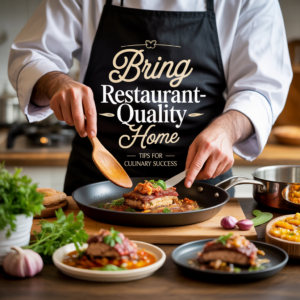
There’s a unique magic in savoring a restaurant-quality meal-the perfectly balanced flavors, the artful presentation, the satisfying ambiance. But what if you could bring that same culinary experience right into your own home? Transforming everyday dinner into a gourmet adventure isn’t just a dream reserved for professional chefs or special occasions. With the right techniques, thoughtful ingredients, and a sprinkle of creativity, you can turn your kitchen into a personal restaurant and impress yourself and your loved ones with dishes that rival those from your favorite eateries. in this article, we’ll explore essential tips and insider secrets to help you master the art of cooking restaurant-quality meals at home, making every bite a celebration of culinary success.
Essential Ingredients and Tools for Crafting Gourmet Flavors
Bring Restaurant-Quality Meals Home by assembling a pantry filled with premium staples and indispensable kitchen tools. The magic of gourmet cooking starts with selecting ingredients that boast vibrant freshness, depth of flavor, and authentic character. Discover how simple upgrades can transform your daily dishes into culinary masterpieces with just a few essentials.
Prep and Cook Time
- Prep Time: 20 minutes
- Cook Time: 30 minutes
Yield
- 4 servings
Difficulty Level
- Medium
Ingredients
- 2 tbsp extra virgin olive oil – for sautéing and finishing
- 1 medium shallot, finely diced
- 2 garlic cloves, minced
- 1 cup Arborio rice (for creamy risotto with depth)
- 4 cups homemade or high-quality chicken stock, kept warm
- ½ cup dry white wine (optional but recommended for acidity)
- 1 cup fresh wild mushrooms, cleaned and sliced
- ½ cup grated Parmigiano-Reggiano cheese (freshly grated for richness)
- 2 tbsp unsalted butter
- Fresh thyme sprigs – for garnish and subtle herbal aroma
- Sea salt and cracked black pepper to taste
- Microgreens or edible flowers (optional, for plating elegance)
Instructions
- Prepare your mise en place – have all ingredients portioned and tools ready to maintain rhythm.
- In a heavy-bottomed pan, heat the olive oil over medium heat. Add shallots and sauté until translucent, about 3 minutes.
- Add garlic and cook for 30 seconds until fragrant, stirring constantly to avoid burning.
- Stir in the Arborio rice, coating each grain with oil; sauté for 2 minutes until edges become slightly translucent.
- Deglaze the pan with the white wine and let it reduce until nearly evaporated, intensifying the acidity and layering flavor.
- Gradually add the warm chicken stock,one ladle at a time,stirring gently but consistently. Allow liquid to absorb before adding the next ladle, creating that signature creamy texture. this process should take 18-20 minutes.
- While stirring, sauté the wild mushrooms separately in a little olive oil until golden and fragrant, about 5 minutes. Season lightly with salt and pepper.
- Once the rice is al dente – tender with slight chew – gently fold in the butter, Parmigiano-Reggiano, and cooked mushrooms.Season with salt and cracked black pepper to taste.
- Remove from heat and cover for 2 minutes to meld flavors.
- Plate your risotto carefully (refer to plating tips below) and garnish with fresh thyme sprigs and optional microgreens or edible flowers for a vibrant contrast.
Tips for Success
- Use warm stock when adding to the rice; cold stock slows cooking and affects texture.
- For a vegetarian-friendly version, substitute chicken stock with a rich vegetable broth.
- Don’t rush the stirring-it releases the rice’s starch, key to the luscious creaminess of this dish.
- To prep ahead, cook the risotto to just before adding butter and cheese. Finish these steps before serving to maintain freshness.
- Invest in a quality wooden spoon and a heavy-bottom saucepan-they ensure even heat distribution and allow gentle stirring without damaging your cookware.
Serving Suggestions
Serve this velvety mushroom risotto in shallow bowls to showcase its creamy texture. garnish with freshly cracked pepper and a drizzle of extra virgin olive oil for a glossy finish.Complement the dish with a crisp white wine, such as Sauvignon Blanc, which beautifully balances the richness.For an elevated restaurant-quality ambiance, layer in soft lighting and play subtle instrumental background music – it transforms every meal into a sensory celebration.
Mastering Cooking Techniques to Elevate Everyday Dishes
Embrace techniques like deglazing, slow simmering, and layering flavors step-by-step. These methods transform ordinary ingredients into complex, nuanced dishes. Paying attention to temperature control and timing ensures each element shines while maintaining balance.
Plating and Presentation Tips to Impress like a Professional
- Use white or neutral-colored plates to let vibrant ingredients stand out.
- Create height with your plating by gently mounding the risotto in the center.
- Add fresh herbs or edible flowers to introduce color contrast.
- Wipe the edges of the plate clean for a polished look.
- Use a spoon to add a small drizzle of herb oil or aged balsamic vinegar around the plate’s rim for sophisticated detail.
Creating ambiance and Pairing Drinks for the Full Restaurant Experience
Setting the mood complements the meal and enhances enjoyment. Choose tableware that reflects your style, light candles or dim the lights, and curate a playlist with soft jazz or acoustic tunes. For drink pairings, a mineral-driven white wine or crisp sparkling water with a lemon twist elevates the palate and refreshes after each bite. These thoughtful touches will have your guests believing they are dining out, all without leaving home.
| Nutritional Information | Per Serving |
|---|---|
| Calories | 430 kcal |
| Protein | 12 g |
| Carbohydrates | 55 g |
| Fat | 15 g |
Explore more about essential kitchen tools
For detailed flavor pairing science, visit serious Eats.

Q&A
Q&A: Bring Restaurant-Quality Meals Home: Tips for Culinary Success
Q1: Can I really replicate restaurant-quality meals at home without fancy equipment?
Absolutely! While professional kitchens have specialized gadgets, you don’t need them to create stunning dishes. Focus on mastering basic tools like a sharp chef’s knife, a sturdy skillet or pan, and perhaps a good oven thermometer.Technique and ingredient quality frequently enough trump equipment.
Q2: What’s the first step to elevating my home cooking to restaurant standards?
Start with ingredient selection.Restaurants rely on fresh, high-quality produce, meats, and herbs. Visit local farmers’ markets or specialty stores, and prioritize seasonal ingredients.Freshness and quality are the foundation of a memorable meal.
Q3: How critically important is seasoning, and how can I improve my skills?
Seasoning is crucial-its the soul of flavor. Restaurants have chefs who taste and adjust constantly. at home, taste as you cook, and don’t be afraid to use salt and pepper strategically. Experiment with herbs,spices,and finishing touches like a drizzle of good olive oil or a squeeze of fresh lemon to brighten flavors.
Q4: Are there any simple techniques that instantly make dishes more restaurant-worthy?
Yes! Techniques like proper searing, deglazing pans for sauces, and resting meats before slicing can make a huge difference. Also, plating matters-think about color contrast, layering, and garnishes that add visual appeal as well as flavor.
Q5: How can I manage time efficiently to avoid feeling overwhelmed during cooking?
Plan ahead! Restaurants prep ingredients in advance (mise en place).At home, chop, measure, and organize all your ingredients before heating any pans. This mindset keeps you calm and ensures smooth cooking without last-minute chaos.
Q6: Can I replicate dessert-quality desserts at home?
Definitely. Start with classic desserts like panna cotta, chocolate mousse, or fruit tarts that rely on simple but precise techniques. Use good-quality chocolate, fresh fruits, and don’t rush the chilling or resting times that give desserts their proper texture and flavor.
Q7: How do restaurant chefs achieve such appealing plating, and how can I learn to plate like that?
restaurant plating balances color, texture, and space on the plate. Use odd numbers for portions, add edible garnishes like microgreens or herbs, and consider the plate’s shape and color. Look at professional food photos and practice arranging your dishes thoughtfully-it becomes easier over time!
Q8: Any insider tip for cooking proteins perfectly?
Use a meat thermometer to hit the right internal temperature every time-no guesswork needed. also, don’t skip the rest period after cooking; letting proteins sit ensures juices redistribute, leading to juicy, tender results akin to restaurant dishes.
Q9: How critically important is ambiance for the dining experience,and can it affect my perception of home-cooked meals?
ambiance is surprisingly impactful! Setting a table with nice dishes,adjusting lighting,and playing soft music can elevate your meal to a special occasion. This attention to detail complements your culinary efforts and makes the experience feel restaurant-worthy.
Q10: Where can I find inspiration to keep improving and trying new recipes?
Explore cookbooks by renowned chefs, follow food bloggers and Instagram accounts dedicated to culinary arts, and watch cooking shows for ideas. Most importantly, keep experimenting-each meal is an opportunity to sharpen your skills and surprise your taste buds!
Bringing restaurant-quality meals into your home kitchen is a rewarding journey of creativity, care, and culinary curiosity. With these tips sprinkled throughout your cooking routine, you’re well on your way to dazzling family and friends with meals worthy of any fine dining experience!
To Conclude
Bringing restaurant-quality meals into your own kitchen is more than just following a recipe-it’s about embracing techniques, ingredients, and a mindset that transforms everyday cooking into a memorable dining experience. With these tips in hand, you’re equipped to elevate your home-cooked meals from simple sustenance to culinary triumphs. So, don your apron, sharpen those knives, and let your kitchen become the stage where flavor and finesse take center plate.After all, great food is not just tasted-it’s crafted, savored, and shared. Happy cooking!