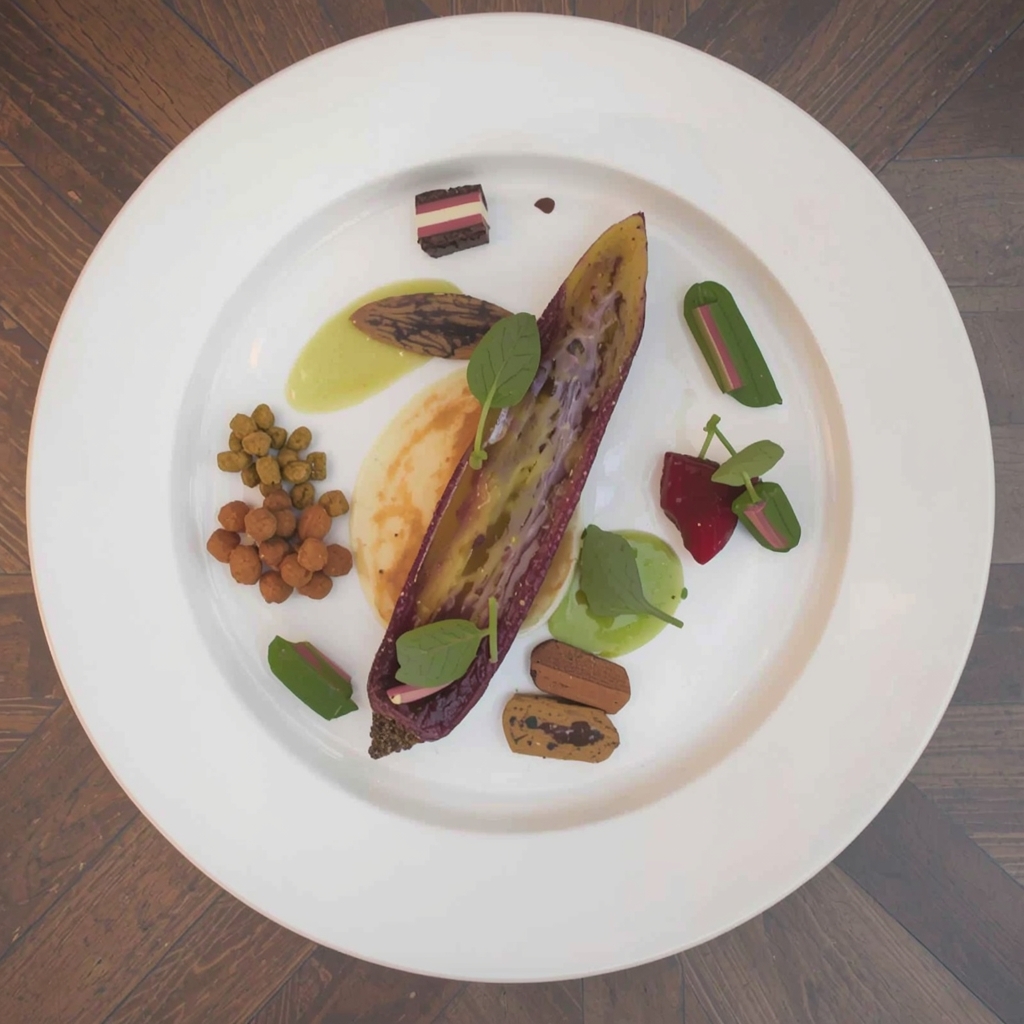

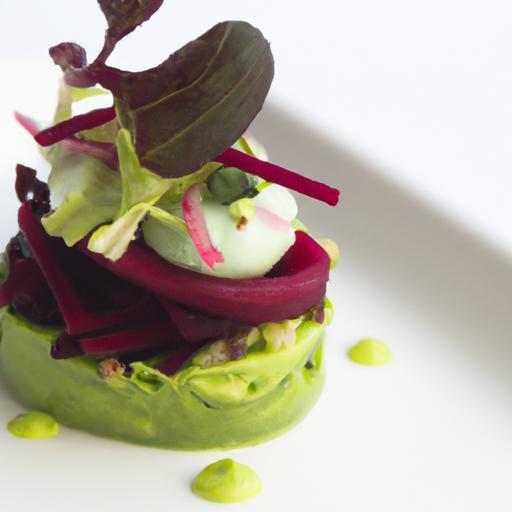
In the ever-evolving world of culinary artistry, where tradition dances with innovation, a new flavor duo has emerged to captivate adventurous palates: beet tartare meets goat cheese mousse. This unexpected pairing marries the earthy, vibrant sweetness of finely diced beets with the creamy, tangy richness of goat cheese in a mousse form-creating a harmonious fusion that delights both the eyes and the taste buds. Join us as we explore how this inventive combination transforms humble ingredients into an elegant,modern dish,redefining the boundaries of what plant-based and artisanal flavors can achieve together.
Beet Tartare Meets Goat Cheese Mousse is an exquisite dish that blends vibrant,earthy beets with the luxurious creaminess of goat cheese,perfectly balancing bold flavors and delicate textures. This modern twist on a classic tartare offers a fresh, vegetarian-friendly option for refined gatherings or a stunning appetizer to whisk your guests away on a culinary journey. Inspired by the colors and freshness of farm-to-table dining, this recipe showcases how simple ingredients can be transformed into an elegant, memorable experience.
Prep and Cook Time
- Readiness: 25 minutes
- Cook Time: 15 minutes
- Total Time: 40 minutes
Yield
- Serves 4 as an appetizer
Difficulty Level
- Medium - requires some knife skills and mousse preparation
Ingredients
- For the Beet Tartare Base:
- 3 medium fresh beets, roasted, peeled, and finely diced
- 1 small shallot, minced
- 1 tbsp capers, rinsed and chopped
- 1 tbsp fresh parsley, finely chopped
- 1 tsp Dijon mustard
- 1 tbsp extra virgin olive oil
- 1 tsp fresh lemon juice
- Salt and black pepper, to taste
- For the Silky Goat Cheese Mousse:
- 150g fresh goat cheese, at room temperature
- 100ml heavy cream, chilled
- 1 tsp honey
- Fresh thyme leaves, a pinch
- Salt and white pepper, to taste
- For Aromatics and Textural Enhancements:
- 1 small cucumber, finely diced
- 1 tbsp toasted walnuts, chopped
- Microgreens or baby arugula, for garnish
- Fresh chives, finely snipped
Instructions
- Prepare the Beet Tartare Base: After roasting and peeling the beets (wrap in foil and roast at 400°F/200°C for 45-60 minutes until tender), finely dice them into uniform cubes for visual appeal and consistent texture.Place the diced beets in a mixing bowl.
- add the minced shallot, capers, and parsley to the bowl. Stir gently to combine.
- Whisk together Dijon mustard, olive oil, lemon juice, salt, and pepper in a small bowl until emulsified, then fold into the beet mixture. Adjust seasoning carefully, balancing acidity and saltiness for a bright but earthy base.
- Chill the beet tartare base in the refrigerator for at least 15 minutes to marry the flavors while you prepare the mousse.
- Make the Goat Cheese Mousse: In a chilled bowl, whip the heavy cream until soft peaks form. Separately, mash the goat cheese with honey, thyme, salt, and white pepper until smooth and creamy.
- Gently fold the whipped cream into the goat cheese mixture until fully incorporated and silky.Taste and adjust seasoning as needed. Transfer to a piping bag or small bowl and chill until serving.
- assemble Aromatics and Textures: Dice the cucumber finely for a cool crunch. Roughly chop the toasted walnuts to add a nutty element.
- Plate the Tartare: Using a ring mold for precision, spoon the beet tartare base onto the centre of each plate and gently pack it down.
- Add a generous dollop or piped swirl of the silky goat cheese mousse on top or alongside the tartare.
- Sprinkle diced cucumber, walnuts, fresh chives, and microgreens around the tartare to brighten the flavor and add varied texture.
- Finish with a drizzle of olive oil and a delicate dusting of cracked black pepper for that final flourish.
ChefS Notes: Tips for Success
- Roasting Beets: Roasting enhances the earthy sweetness and makes peeling effortless-once cooled, rub the skins off with a paper towel.
- Make-Ahead: The beet tartare base can be made up to 2 days ahead, stored covered in the refrigerator. Prepare the goat cheese mousse the morning of serving for best texture.
- texture Variations: For a creamier beet base, pulse half the beets briefly in a food processor before mixing.
- Substitutions: For dairy-free options, swap the goat cheese mousse with a whipped cashew cream infused with lemon and herbs.
- Balancing Flavors: Taste the tartare before assembling-lemon juice and salt are critical to lift the naturally sweet beets.
Serving Suggestions
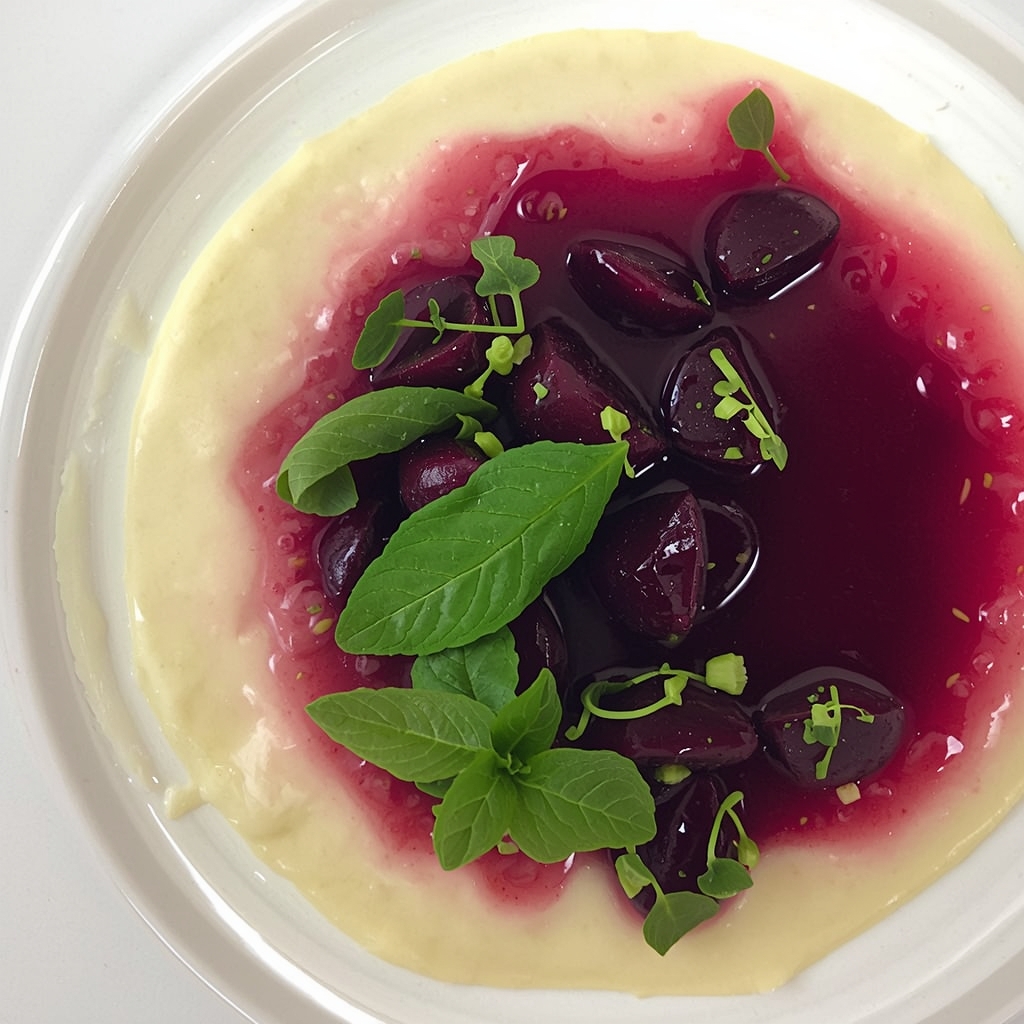
Serve your creation on elegant white plates to highlight the vibrant ruby-red beet color and the creamy white plume of goat cheese mousse. Accompany with thin, toasted baguette slices or herb crackers to add crunch and allow diners to build their own bites.Garnish generously with microgreens or edible flowers for a refined, garden-fresh presentation. Pair this dish with a crisp Sauvignon Blanc or a light-bodied rosé to complement the earthiness and creamy tang.
| Nutritional Details (per serving) | Calories | Protein | Carbs | Fat |
|---|---|---|---|---|
| Beet Tartare Meets Goat Cheese Mousse | 220 kcal | 8 g | 18 g | 14 g |

For more inspiration on creative tartare recipes, check out our Vegetarian tartare Ideas. To dive deeper into the health benefits of beets, visit Healthline’s comprehensive guide on beets.
Q&A
Q&A: Beet Tartare Meets Goat Cheese Mousse - A Flavor Fusion
Q1: What inspired the creation of beet tartare paired with goat cheese mousse?
A1: The inspiration comes from a desire to reinvent classic tartare-traditionally made with raw meat or fish-into a vibrant, plant-based dish. Beets, with their rich earthiness and striking color, provide a perfect canvas. Combining them with the creamy tang of goat cheese mousse creates a harmonious balance of flavors and textures, elevating the dish into a modern culinary experience.
Q2: How do the flavors of beet tartare and goat cheese mousse complement each other?
A2: The beet tartare offers a naturally sweet,slightly earthy profile with a firm yet tender bite. Goat cheese mousse,conversely,brings a luscious,velvety creaminess with subtle tangy notes. Together, the mousse tempers the earthiness of the beets while enhancing their sweetness, resulting in a multi-layered taste sensation that’s both refreshing and indulgent.
Q3: What are the key components of beet tartare, and how is it prepared?
A3: Beet tartare involves finely dicing or mincing cooked beets and seasoning them with elements like shallots, capers, lemon juice, olive oil, salt, and pepper. The key is to maintain a delicate balance-bright and acidic enough to enliven the beets, while preserving their natural sweetness and texture. Some chefs add a touch of fresh herbs or a hint of mustard for an added punch.
Q4: Can you explain the process of making goat cheese mousse?
A4: Goat cheese mousse is crafted by whipping softened goat cheese with cream (or crème fraîche) until it achieves a light, airy texture. A pinch of salt, a splash of lemon juice, or even a drizzle of honey can be folded in to enhance the flavor profile. The result is a smooth,fluffy mousse that acts almost like an edible cloud,perfect for pairing with denser or more textured elements like beet tartare.
Q5: What makes this flavor fusion innovative or noteworthy in the culinary world?
A5: This fusion challenges traditional expectations by transforming tartare-often linked with raw proteins-into a vibrant vegetarian option without sacrificing complexity or elegance. It celebrates the versatility of plant-based ingredients while showcasing how textures and flavors can interplay beautifully. Plus, it’s visually stunning, making it ideal for contemporary, health-conscious dining scenes.
Q6: Are there any suggested accompaniments or plating ideas to elevate the experience?
A6: Absolutely! Crisp crostini or rye crackers complement the creamy mousse and earthy beets perfectly, adding crunch and a toasty aroma. Garnishing with microgreens, toasted nuts, or a drizzle of balsamic reduction can add layers of flavor and visual appeal. For an extra burst, consider a sprinkle of smoked sea salt or a dusting of fresh herbs like tarragon or chives.
Q7: Is this dish suitable for special diets or occasions?
A7: Yes-it’s naturally vegetarian and can be made vegan by substituting the goat cheese mousse with a plant-based alternative like cashew cream. The dish’s striking appearance and bold flavors make it an excellent choice for elegant dinner parties, romantic meals, or anytime you want to impress with something creative yet approachable.
Q8: How can home cooks experiment with this flavor fusion?
A8: Start by roasting beets until tender, then play with seasonings-try adding hints of smoked paprika, fresh herbs, or citrus zest.For the mousse,experiment with texture and tang by mixing goat cheese with different creams or even yogurt.Don’t be afraid to customize garnishes or add complementary elements like roasted seeds or pickled vegetables to make the dish uniquely yours.
Embrace the art of unexpected harmony as beet tartare and goat cheese mousse come together-where earth and cream dance on your palate in a bold, beautiful flavor fusion.
To Wrap It Up
As the vibrant earthiness of beet tartare melds effortlessly with the creamy tang of goat cheese mousse,this flavor fusion invites your palate on an unexpected yet harmonious journey. it’s a testament to how simple, thoughtfully paired ingredients can transform into an exquisite culinary experience. Whether you’re a seasoned foodie or an adventurous home cook, embracing this duo opens the door to innovative tastes that celebrate both tradition and creativity. So next time you seek a dish that surprises and delights, let beet tartare and goat cheese mousse be your inspiration-a fusion where boldness meets elegance on every bite.