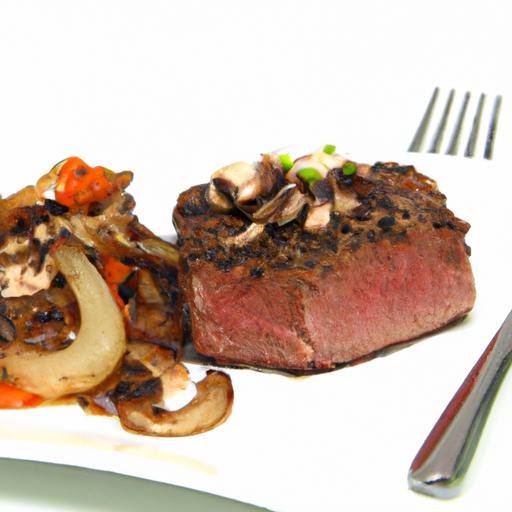

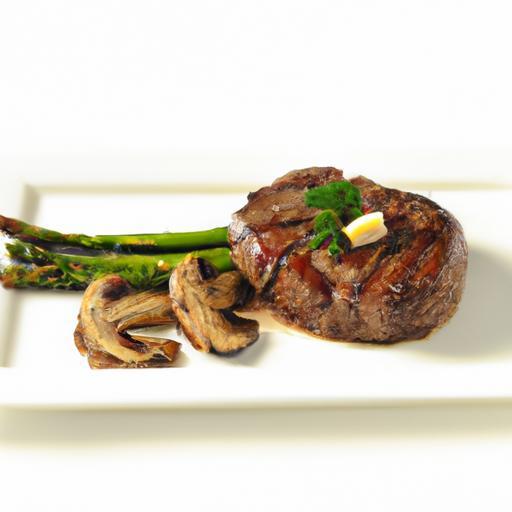
Beneath its buttery texture and melt-in-your-mouth tenderness lies more than just a luxurious dining experience-filet mignon carries a story of scarcity, skill, and economics that few diners truly understand. Revered as teh king of steaks, its lofty price tag frequently enough prompts a simple question: what exactly drives the cost of filet mignon so high? From the meticulous breeding of cattle to the precise butchering required to craft each cut, and the intricate dance of supply and demand, the journey of this prized beef is a fascinating blend of nature, nurture, and market forces.In this article, we peel back the layers to reveal the true cost behind that elegant slice on your plate.
The true cost of filet mignon is deeply intertwined with its journey from selective ranches to your elegant plate. This cut, renowned for its buttery tenderness and delicate flavor, reflects not only culinary excellence but also the intricate balance of supply and demand, responsible farming practices, and animal welfare standards that elevate its quality-and price.
Prep and Cook Time
Readiness: 10 minutes
Cooking: 12 minutes
Total: 22 minutes
Yield
Serves 2 elegantly
Difficulty Level
Medium – Perfect for home cooks ready to impress with a premium steak dish
Ingredients
- 2 filet mignon steaks (6 oz each, 1.5 inches thick, trimmed)
- 1 tbsp olive oil
- 2 tbsp unsalted butter
- 3 garlic cloves (crushed)
- 2 sprigs fresh rosemary
- Salt (preferably coarse sea salt), to taste
- Freshly ground black pepper, to taste
- optional: splash of red wine or beef broth for pan sauce
Instructions
- Bring steaks to room temperature: Remove the filet mignons from the fridge 30 minutes prior to cooking. This ensures even cooking and locks in juices.
- Season generously: Pat the steaks dry with paper towel, then season both sides with coarse sea salt and freshly ground black pepper.
- Preheat your skillet: Over medium-high heat, warm the olive oil in a heavy-bottomed cast iron or stainless steel pan until shimmering but not smoking.
- Sear the steaks: Place the steaks carefully into the hot pan. Sear without moving for about 3-4 minutes, allowing a rich, golden-brown crust to form. Flip and sear the other side for 3 minutes.
- Add aromatics and butter: Lower the heat to medium. Add butter, crushed garlic cloves, and rosemary sprigs to the pan. As the butter melts, tilt the pan slightly and use a spoon to baste the steaks with the fragrant butter for 2-3 minutes.
- Check doneness: For medium-rare, aim for an internal temperature of 130°F (54°C). Use an instant-read thermometer for accuracy.
- Rest the steaks: Transfer to a plate and tent loosely with foil.Rest for 5-7 minutes to let juices redistribute, producing a tender finish.
- Optional pan sauce: While the steaks rest, deglaze the pan with a splash of red wine or beef broth, scraping browned bits. Reduce for 2-3 minutes and drizzle over the filet mignons before serving.
Chef’s Notes
- Choosing your filet mignon: opt for USDA Prime or Choice grade for superior marbling, critical to the melt-in-the-mouth texture.
- Substitutions: If rosemary isn’t at hand, thyme pairs beautifully as an aromatic herb.
- Make-ahead tip: Season steaks the night before and keep wrapped in the refrigerator for deeper seasoning penetration.
- Cooking tip: Avoid overcrowding the pan to maintain that perfect sear and prevent steaming.
- Troubleshooting: If your filet mignon cooks unevenly, ensure steaks are uniform thickness and properly rested before cooking.
Serving Suggestions
Present your filet mignon on a warm plate, garnished with a fresh rosemary sprig. Serve alongside garlic mashed potatoes or roasted seasonal vegetables. A light drizzle of the pan sauce will heighten the savory notes. For that extra touch, pair with a robust glass of Cabernet Sauvignon or Malbec, which complements the richness inherently tied to premium filet mignon.

| Nutrient | Amount per Serving |
|---|---|
| calories | 450 kcal |
| protein | 45 g |
| Carbohydrates | 2 g |
| Fat | 30 g |
For additional insights on sustainable beef sourcing and the economics behind premium cuts, visit American Beef Association. To explore more delectable steak recipes and cooking techniques, check out our Premium Steak Cuts Guide.
Q&A
Q&A: The True Cost of Filet Mignon – what Drives the Price Up?
Q1: Why is filet mignon considered one of the most expensive cuts of beef?
A1: Filet mignon’s price tag often shocks diners, but its rarity and quality explain much of the cost. This cut comes from the tenderloin, a small, lean muscle nestled beneath the spine that doesn’t do much work, resulting in unparalleled tenderness. Because the tenderloin yields only a small amount of meat per animal, the supply is limited compared to other cuts, making filet mignon a prized luxury.
Q2: Does the way cattle are raised effect the filet mignon’s price?
A2: Absolutely.Grass-fed, organic, or heritage-breed cattle usually cost more to raise due to slower growth rates and more expensive feed. Premium farming practices also prioritize animal welfare and quality over quantity, leading to superior marbling and flavor. Thes factors considerably elevate production costs, which cascade down to the consumer in the final price.
Q3: How does butchering influence the cost of filet mignon?
A3: Butchering filet mignon is a precise art. The tenderloin is a long, cylindrical muscle that needs to be carefully trimmed of excess fat and silver skin. This labor-intensive process requires skilled butchers who command higher wages. Additionally, because the tenderloin portion is small, any mistakes can lead to costly waste.
Q4: What role does demand play in the price of filet mignon?
A4: Demand is a major driver. Filet mignon has a reputation as the ultimate steak for special occasions, leading to high consumer demand notably in upscale restaurants. This demand allows suppliers to maintain higher prices. Seasonal trends, holidays, and food culture trends also influence demand spikes, further inflating prices.
Q5: Are there other hidden costs that add to the price of filet mignon?
A5: Yes.Transportation and storage are critical and costly.Because filet mignon is a premium cut,it must be handled with care - often aged and shipped under strict temperature controls to preserve its delicate texture and flavor. These logistics add layers of expense frequently enough invisible to the end buyer.
Q6: Can consumers influence the price they pay for filet mignon?
A6: To some extent. Choosing local butchers,buying direct from farms,or purchasing less popular cuts can reduce costs. Some chefs also find creative ways to stretch tenderloin portions by incorporating other flavors or smaller servings. Still, the inherent qualities of filet mignon dictate a price that reflects its exclusivity.
Q7: Is the price worth it?
A7: That depends on taste and occasions.for many, the buttery texture and melt-in-your-mouth tenderness justify the splurge, turning a meal into a memorable experience. others may prefer more affordable cuts with bolder flavor profiles. Understanding what drives the price helps diners make informed choices and appreciate the craftsmanship behind every filet mignon.
The Conclusion
the price of a filet mignon is more than just a number on a menu-it’s a story woven from the artistry of selective breeding, the patience of meticulous aging, and the hands that carve and prepare this tender cut with care. Behind each succulent bite lies a complex tapestry of factors-from feed quality and ranching practices to market demand and culinary tradition-that collectively elevate filet mignon from a simple steak to a symbol of luxury. Understanding these hidden costs not only deepens our appreciation for what’s on our plates but also invites us to savor every morsel with a newfound respect for the journey it undertook. So next time you indulge in that exquisite cut, remember: you’re partaking in a rich narrative of craftsmanship and care that justifies its price-and makes it all the more worthwhile.