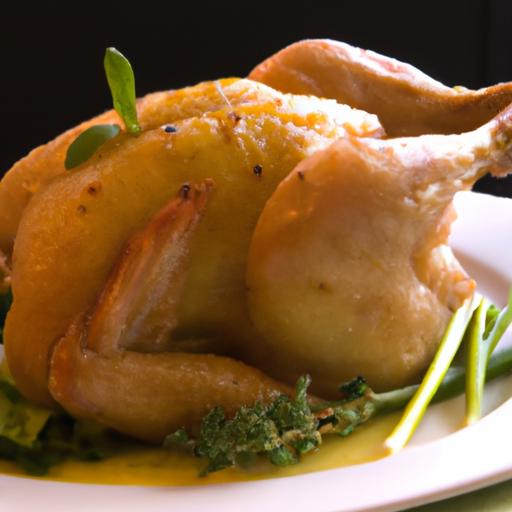

There’s something undeniably charming about Cornish hens-their petite size, tender meat, and delicate flavor make them a culinary gem worth savoring. Yet, achieving the perfect Cornish hen is both an art and a science, inviting home cooks to explore a world of seasoning, cooking techniques, and presentation that elevates this humble bird into a feast for the senses. In this flavorful recipe guide, we’ll unlock the secrets to perfecting Cornish hens, from selecting the freshest birds to mastering marinades, roasting methods, and plating ideas that impress. Whether you’re hosting an intimate dinner or simply craving a meal that feels both elegant and approachable, let’s embark on a journey to transform these petite poultry into a dish that delights every palate.
Selecting the Ideal Cornish Hen for Maximum Flavor
Perfecting Cornish Hens starts with choosing the right bird, as its the foundation for an unforgettable meal. Look for hens that weigh between 1 to 1.5 pounds each-smaller birds tend to cook more evenly and retain juiciness.Opt for organic or free-range Cornish hens when possible; their meat is richer and has a naturally deeper flavor due to better diet and rearing conditions. Avoid those with excessive pink or gray hues; instead, select hens with firm, white skin and a fresh aroma.
When shopping, inspect the packaging date to ensure freshness, and consider local farms or trusted butchers for superior quality. These details might seem small, but they are key to unlocking the full potential of your dish!
Mastering Marinades and Seasonings to Elevate taste
The magic of Perfecting Cornish Hens unfolds with a thoughtfully crafted marinade that enhances both flavor and texture. The ideal marinade balances acidity, herbs, and seasoning to tenderize the meat while infusing vibrant notes.
For a lively yet delicate profile, combine lemon juice, garlic, fresh rosemary, and a touch of honey with olive oil. The acidity breaks down proteins for tenderness, honey adds caramelization potential, and herbs bring aromatic complexity.
Season generously with sea salt and freshly cracked black pepper. Let the hens soak in the marinade for at least 4 hours-or overnight for a deeper penetration of flavors.Remember, slow and steady marinating is a chef’s best ally for enhancing mojo in every bite.
Techniques for Achieving Crispy Skin and juicy Meat
Achieving that golden, crackling skin while keeping meat succulent is what sets Perfecting Cornish hens apart. Begin by patting each hen thoroughly dry before cooking-moisture is the enemy of crispiness. Consider a light coating of cornstarch or baking powder mixed with your seasoning blend; this tiny trick encourages skin to crisp beautifully.
Roast the hens at a high temperature initially (around 425°F/220°C) for 15 minutes to leap-start browning, then reduce heat to 350°F (175°C) to finish cooking gently. Basting periodically with pan juices reinforces moisture without sogginess.
A reverse-sear method also works wonders: slow roast first until nearly done, then finish under direct high heat or broiler for 3-5 minutes to crisp skin last-minute.Rest hens on a wire rack post-roast to allow steam to escape-this keeps skin crisp and meat tender.
Creative Side Pairings to Complement Your Cornish Hen Feast
No perfect meal is complete without thoughtfully chosen sides. Classic roasted root vegetables like carrots, parsnips, and sweet potatoes tossed in fragrant herbs complement the natural earthiness of Cornish hen superbly.
For a fresh contrast, a bright arugula and fennel salad with toasted walnuts and a citrus vinaigrette refreshes the palate. Creamy elements such as garlic mashed potatoes or a silky parsnip puree add indulgence and balance.
If you want to elevate the feast further, a wild rice pilaf studded with dried cranberries and toasted pecans pairs beautifully with the poultry’s subtle gaminess, introducing texture and a hint of sweetness that lingers.

Prep and cook Time
- Prep: 20 minutes
- Marinate: 4-12 hours
- Cook: 50-60 minutes
Yield
Serves 2-4, depending on side portions
Difficulty Level
Medium - Great for home cooks with basic roasting experience
Ingredients
- 2 Cornish hens (1 to 1.5 lbs each), thawed if frozen
- 3 tablespoons olive oil
- Juice of 1 lemon
- 4 cloves garlic, minced
- 1 tablespoon honey
- 2 teaspoons fresh rosemary, chopped
- 1 teaspoon kosher salt
- ½ teaspoon freshly ground black pepper
- 1 teaspoon cornstarch (optional for crispier skin)
- Fresh thyme sprigs for stuffing and garnish
Instructions
- Prepare marinade: In a bowl, whisk together olive oil, lemon juice, minced garlic, honey, rosemary, salt, and pepper.
- Marinate hens: Pat dry the Cornish hens with paper towels. Place them in a resealable bag or covered dish and pour marinade over. Massage marinade into birds thoroughly.Refrigerate for at least 4 hours or overnight.
- Preheat oven: Set to 425°F (220°C). Place a wire rack over a baking sheet for airflow.
- Optional coating: In a small bowl, mix cornstarch with a pinch of salt and pepper. Rub this mixture gently over the hens’ skin for enhanced crispiness.
- Roast initial high heat: Transfer hens to wire rack breast side up. Roast for 15 minutes to begin browning.
- Reduce heat and continue roasting: Lower oven temperature to 350°F (175°C). Roast another 35-45 minutes until internal temperature reaches 165°F (74°C). Baste hens every 15 minutes with pan juices to lock moisture.
- Rest hens: Remove from oven and tent loosely with foil. Let rest 10-15 minutes to redistribute juices.
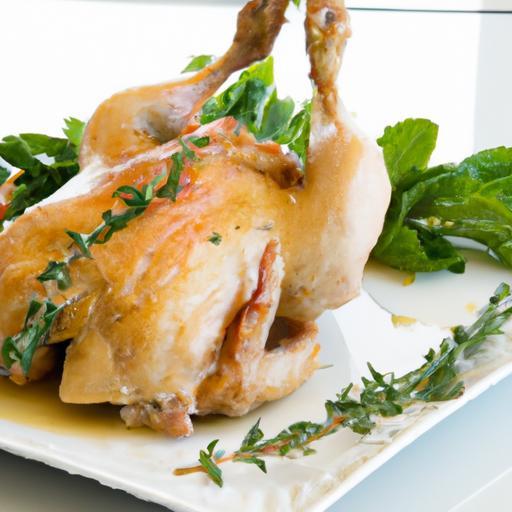
- serve and garnish: Carve hens and garnish with fresh thyme sprigs and lemon slices for visual appeal and extra aroma.
Tips for Success
- For more intense herbal notes, add fresh thyme and sage inside the cavity before roasting.
- If pressed for time, marinate at least 1 hour; longer yields better flavor.
- Use an instant-read thermometer to avoid overcooking and dryness-juicy meat is key.
- Leftovers make excellent sandwiches or salads-slice warm or cold with a drizzle of homemade aioli.
- Try substituting rosemary with tarragon or oregano for a unique flavor twist.
Serving Suggestions
Plate your Cornish hens atop a bed of creamy mashed potatoes or butternut squash purée. Accompany with sautéed green beans or a crisp fennel salad. Drizzle pan juices or a pan sauce made by deglazing with white wine and fresh herbs to tie all components together. Finish with a sprinkle of flaky sea salt and a dash of freshly ground black pepper for contrast.
| Nutrient | Per Serving (1 Hen) |
|---|---|
| Calories | 380 kcal |
| Protein | 45 g |
| Carbohydrates | 3 g |
| Fat | 20 g |
Explore more on poultry preparation with our guide to roasting chicken and game birds. for sourcing high-quality Cornish hens, check USDA recommendations here.
Q&A
Q&A: Perfecting Cornish Hens – A Flavorful Recipe Guide
Q1: What makes Cornish hens different from regular chickens?
A1: Cornish hens are essentially young chickens, usually about 5-6 weeks old, which makes their meat exceptionally tender and delicate. They’re smaller than typical chickens-often just 1 to 2 pounds each-which allows for beautifully individual portions bursting with flavor. Their size also means they cook faster and are perfect for elegant, personal presentations.
Q2: Why are Cornish hens ideal for flavor experimentation?
A2: Their petite size and tender meat absorb marinades and seasonings deeply, making them excellent canvases for bold and subtle flavors alike. As they roast quickly,you can infuse them with vibrant herbs,spices,citrus,or even sweet glazes without worrying about drying them out. They invite creativity,from classic rosemary and garlic rubs to exotic spice blends.
Q3: What’s the secret to achieving perfectly crispy skin on cornish hens?
A3: Patience and preparation are key. Before cooking, dry the hens thoroughly with paper towels to remove excess moisture-this is crucial for crispy skin. A light coating of oil or butter helps with browning, and a generous sprinkle of kosher salt draws out moisture and enhances crispiness. Roasting at a high temperature (around 425°F/220°C) for the last 10-15 minutes generally results in golden, crackling skin.
Q4: how do you ensure the meat stays juicy and tender?
A4: Brining the hens in a simple saltwater solution for a few hours can work wonders, locking in moisture during cooking. additionally, stuffing the cavity with aromatics like lemon slices, garlic cloves, and fresh herbs creates steam that gently bastes the meat from inside. Lastly, resting the hens for at least 10 minutes after roasting allows the juices to redistribute, making every bite juicy.
Q5: What are some complementary side dishes to serve with Cornish hens?
A5: as Cornish hens have a mildly rich taste, sides that offer contrast or complement their flavor shine best. Consider roasted root vegetables glazed with honey and thyme,a zesty quinoa salad with fresh herbs and lemon,or creamy mashed potatoes with a hint of garlic. Light, crisp greens like arugula or a herbaceous chimichurri drizzle can also cut through the richness and add brightness to the plate.Q6: Can Cornish hens be cooked using methods other than roasting?
A6: Absolutely! While roasting is classic, Cornish hens are versatile.They can be grilled whole for a smoky char, braised slowly in a flavorful broth for tender fall-off-the-bone meat, or even cooked sous vide to precisely control doneness and tenderness. each method unlocks different textures and flavor depths.
Q7: How can I add a unique twist to my Cornish hen recipe?
A7: incorporate global flavors to reinvent this charming bird. A Moroccan-inspired rub with cumin, cinnamon, and paprika adds warmth and complexity. Or go Asian with a soy-honey glaze,ginger,and sesame seeds. Don’t shy away from stuffing the cavity with fruit like figs or apples for subtle sweetness. The possibilities are as endless as your creativity!
Q8: What’s the best way to serve Cornish hens at a dinner party?
A8: Present each hen individually atop a bed of colorful sides, garnished with fresh herbs and a squeeze of citrus. Their petite size makes a dramatic and elegant statement. Pair with a light wine-such as a Pinot Noir or Sauvignon blanc-to complement the flavors without overpowering them.And don’t forget to provide good knives for effortless slicing!
Mastering Cornish hens is a delightful journey into rich flavors and tender textures.By understanding their unique characteristics and experimenting with seasonings and sides, you’ll elevate a humble bird into a show-stopping culinary experience!
To Conclude
As you close the chapter on perfecting your Cornish hens, remember that this culinary journey is as much about patience and care as it is about flavors and technique. With each glaze brushed and herb nestled beneath the skin, you’re not just preparing a meal-you’re crafting an experience that delights both the palate and the soul. Whether it’s a cozy weeknight dinner or the centerpiece of a festive gathering, these tender, golden birds promise to elevate your table with effortless elegance. So, armed with these tips and a dash of creativity, step into your kitchen confidently and let your Cornish hens shine-becuase great cooking is always worth savoring.