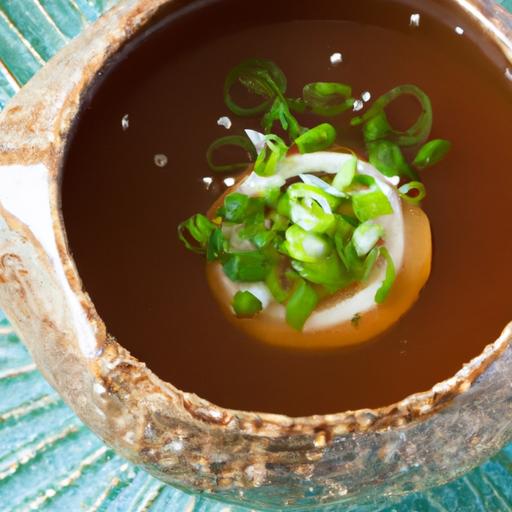

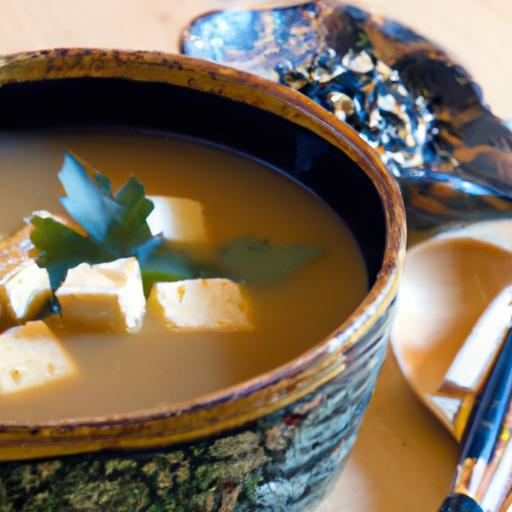
bubbling gently in bowls across the globe, miso soup has long been celebrated as a comforting staple of Japanese cuisine. But beyond its warm, savory embrace lies an intriguing secret-this seemingly simple broth hides barely a whisper of calories. In a world where mindful eating often means sacrificing flavor, miso soup stands out as a deliciously low-calorie delight that effortlessly satiates without tipping the scales. Join us as we unveil the true calorie count of miso soup, exploring how this ancient elixir blends nutrition and taste into every savory sip.
Unveiling Miso Soup Calories reveals the beautiful balance between traditional Japanese comfort and mindful nutrition. This savory low-cal delight is much more than a simple broth; it’s a thoughtfully crafted blend of ingredients that deliver warmth, umami, and nourishing benefits wiht every spoonful. Originating from Japan’s rich culinary heritage, miso soup has long been cherished for its comforting simplicity and health-promoting qualities, making it a perfect choice for those who want to enjoy flavor without compromising on calories.
Prep and Cook Time
- Preparation: 10 minutes
- Cooking: 15 minutes
- Total Time: 25 minutes
Yield
- Servings: 4 bowls
Difficulty Level
- Easy
Ingredients
- 4 cups water or low-sodium vegetable broth
- 3 tablespoons white or yellow miso paste (adjust for taste)
- 1/2 cup silken tofu, cut into 1/2-inch cubes
- 1/4 cup sliced green onions (scallions)
- 1/4 cup wakame seaweed, rehydrated and chopped
- 1 teaspoon dried bonito flakes (optional for umami boost)
- 1 teaspoon grated fresh ginger (optional)
Instructions
- Begin by bringing the water or vegetable broth to a gentle simmer in a medium pot.Avoid boiling vigorously to preserve the delicate flavors.
- While the broth heats, rehydrate the wakame seaweed in warm water for about 5 minutes, then drain and chop finely.
- Once simmering, add the ginger and bonito flakes (if using), letting them infuse the broth for about 5 minutes. This step boosts the savory depth of your miso soup.
- Remove any solids by straining the broth gently, returning the clear liquid to the pot.
- In a small bowl, whisk together the miso paste with a ladle of hot broth until smooth. This technique prevents clumping and helps incorporate miso evenly.
- Lower heat to avoid boiling,then stir the miso mixture back into the pot. Keep the temperature low to preserve live enzymes and flavors.
- Gently fold in the tofu cubes, wakame, and green onions. Heat through for 1-2 minutes but do not boil.
- Ladle the soup into bowls and garnish with extra green onions or a sprinkle of toasted sesame seeds if desired.
Tips for Crafting a Low-Calorie Miso Soup at Home
choosing low-sodium miso paste and broth reduces the overall salt content without sacrificing savory richness.Use silken tofu for a soft texture that enriches the soup while keeping calories minimal.Incorporating nutrient-dense ingredients like wakame seaweed adds fiber,vitamins,and minerals but virtually no calories. Avoid heavy toppings like fried shallots or fatty proteins to maintain the soup’s light profile.
For an extra flavor punch without calories, experiment with freshly grated ginger or a dash of toasted sesame oil-use sparingly for that aromatic lift.
chef’s Notes
- Substitutions: use chicken or beef broth for a richer base if preferred,but remember the calorie count may increase.
- Make Ahead: Prepare the broth base and store it separately from the miso paste and tofu. Combine just before serving to keep flavors vibrant.
- Common Issue: Avoid boiling miso after adding it,as high heat can dull flavor and destroy beneficial probiotics.
- Variation: Add sliced shiitake mushrooms or finely shredded carrots for extra texture and nutrients with minimal calorie impact.
Serving Suggestions
Serve your miso soup piping hot in traditional Japanese-style bowls. For an inviting presentation, add a small plate of pickled ginger or edamame on the side. Garnish with a radiant sprinkle of finely sliced scallions and a few sesame seeds to enhance the visual appeal. A light dusting of shichimi togarashi (Japanese seven spice) adds subtle heat without altering the low-calorie balance.
| Nutrient | Per serving |
|---|---|
| Calories | 60 kcal |
| Protein | 5 g |
| Carbohydrates | 4 g |
| Fat | 2 g |

For a deeper dive into the health benefits of fermented foods like miso, visit the Healthline’s expert guide on fermented foods. You may also enjoy our related article on Healthy Japanese Recipes for more wholesome culinary inspirations.
Q&A
Q&A: Unveiling Miso Soup Calories – A Savory Low-Cal Delight
Q1: What exactly is miso soup?
A1: Miso soup is a traditional Japanese broth made from fermented soybean paste called miso,combined with dashi (a light fish or seaweed stock),tofu,seaweed,and sometimes green onions or other veggies. It’s a comforting, umami-rich bowl that’s been warming hearts and kitchens for centuries.
Q2: Why do people consider miso soup a low-calorie option?
A2: Miso soup is naturally light – a typical bowl hovers around 35 to 50 calories, depending on the ingredients and portion size. its magic lies in delivering deep flavor with minimal fats and sugars,making it a guilt-free starter or snack.
Q3: Does the type of miso paste affect calorie content?
A3: Yes! different miso varieties-white (shiro), yellow (shinshu), red (aka)-vary in fermentation length and saltiness, but their calorie differences are subtle. White miso tends to be milder and slightly sweeter, with marginally fewer calories, while red miso is heartier and a touch higher in calories, but these differences won’t tip the scale dramatically.
Q4: How do add-ins like tofu or seaweed impact the soup’s calorie count?
A4: Tofu adds a protein punch with modest calories-about 40 per 1/4 cup-while seaweed adds almost no calories but loads of nutrients and texture. So, incorporating tofu can increase calories slightly but boosts satiety and nutrition; seaweed keeps it light yet flavorful.
Q5: Can miso soup fit into weight-loss or calorie-conscious diets?
A5: Absolutely! Thanks to its low-calorie profile and nutrient density, miso soup is an excellent choice for those watching their intake. It hydrates, provides probiotics (from fermented miso), and staves off hunger without bombarding your body with excess calories.
Q6: Are there any hidden calorie traps in miso soup?
A6: Sometimes. Prepackaged miso soups may have added sugars or excess sodium, which can affect health but not calories drastically. Also,heavy add-ons like fried tofu,fatty meats,or creamy ingredients can hike calories. Homemade or simple versions are best to keep it truly low-cal.
Q7: what’s the best way to enjoy miso soup for flavor without extra calories?
A7: Stick to fresh ingredients-quality miso paste, fresh seaweed, firm tofu, green onions-and savor it unsalted, as miso paste itself provides ample saltiness. This approach keeps the soup vibrant, nourishing, and light.
Q8: Is miso soup just for Japanese cuisine lovers?
A8: Not at all! Its savory, comforting taste and simple, wholesome nature make miso soup a worldwide delight. Whether you’re exploring global flavors or seeking a low-cal savory snack, miso soup can be a delightful addition to your culinary arsenal.
Miso soup is more than just a starter-it’s a savory voyage into nutritious simplicity, proving that deliciousness and low calories can indeed go hand in hand. So next time hunger strikes, a warm bowl of miso soup might just be your tasty, low-calorie hero.
In Summary
As we’ve uncovered, miso soup is more than just a comforting bowl of umami goodness-it’s a thoughtfully crafted, low-calorie delight that fits seamlessly into a balanced lifestyle. Whether sipped as a simple starter or savored alongside your favorite dishes, this savory soup invites you to enjoy flavor without the guilt. So next time you crave something warm and nourishing,remember that miso soup offers a subtle richness that’s light on calories but full of character-a perfect harmony of taste and wellness in every spoonful.