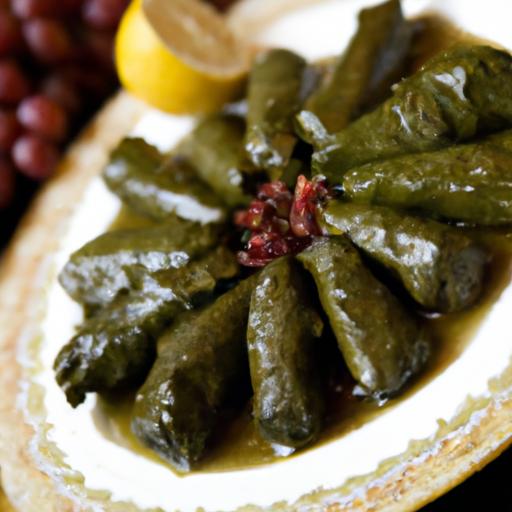

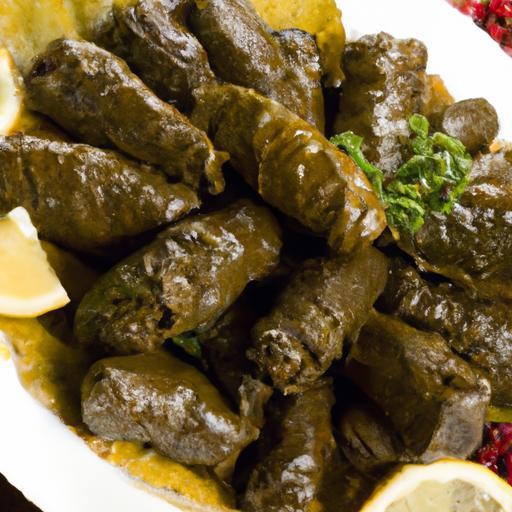
Hidden within the delicate folds of tender grape leaves lies a culinary treasure that has captivated palates for centuries: Warak Enab. Known widely as stuffed grape leaves, this dish weaves together history, culture, and an artful blend of flavors into each bite. From the sun-drenched vineyards where the leaves are handpicked to the fragrant kitchens where they are lovingly prepared, Warak Enab offers more than nourishment-it tells a story.join us as we explore the rich flavors, conventional techniques, and cultural importance behind this beloved Mediterranean delight, uncovering why stuffed grape leaves continue to enchant food lovers around the world.
Warak Enab wonders invites you on a lush culinary journey into the heart of Middle Eastern heritage, where each bite of stuffed grape leaves bursts with tradition and vibrant flavors. These meticulously handcrafted parcels encapsulate centuries of history,family celebrations,and the ingenuity of cooks who perfected the art of balancing zest,herbs,and tender rice beneath soft grape leaves. My first taste of Warak Enab was at a bustling Lebanese souk, where the tangy, aromatic filling paired with the slight bitterness of the leaf instantly mesmerized my palate and inspired me to recreate this beloved dish in my own kitchen.
Prep and cook Time
- Readiness: 40 minutes
- Cooking: 60 minutes
- Total Time: 1 hour 40 minutes
Yield
Serves 6 as a main course or 10 as an appetizer
Difficulty Level
Medium – Best suited for home cooks ready to enjoy hands-on techniques and rewarding flavors
Ingredients
- 300g fresh grape leaves (or 1 jar preserved grape leaves, rinsed and drained)
- 1 cup short-grain rice, rinsed and drained
- 250g ground lamb or beef (optional for vegetarian version, omit or replace with chopped mushrooms)
- 1 large onion, finely chopped
- 3 cloves garlic, minced
- 1 large tomato, finely diced
- 1/2 cup fresh parsley, chopped
- 1/4 cup fresh mint leaves, chopped
- 1/4 cup fresh dill, chopped
- 1/4 cup olive oil, plus extra for drizzling
- Juice of 2 lemons
- 1 tsp ground allspice
- 1 tsp ground cinnamon
- Salt and freshly ground black pepper, to taste
- water or vegetable broth, as needed for cooking
- Lemon wedges, for serving
Instructions
- Prepare the grape leaves: If using fresh leaves, blanch them in boiling water for 2-3 minutes untill pliable, then drain and cool.If using jarred leaves, rinse thoroughly to remove excess brine.
- Make the filling: In a large bowl, combine rinsed rice, ground meat (if using), finely chopped onion, minced garlic, diced tomato, parsley, mint, dill, olive oil, lemon juice, allspice, cinnamon, salt, and pepper. Mix well until all ingredients are evenly incorporated.
- Stuff and roll: Lay a grape leaf shiny side down on a clean surface. place about 1 tablespoon of filling near the stem end. Fold the sides inward and roll tightly from the stem end toward the tip, forming a neat cylinder. Repeat until all filling and leaves are used.
- Arrange in pot: Line the bottom of a heavy-bottomed saucepan with a few grape leaves to prevent sticking. Place the rolled grape leaves seam side down in tight layers.pack them close but avoid crushing.
- Cook: Drizzle with olive oil and additional lemon juice. Place a heatproof plate over the rolls to keep them submerged. Pour enough water or vegetable broth to just cover the rolls. Bring to a gentle simmer, cover, and cook for 50-60 minutes until rice is tender.
- Rest and serve: Let the Warak Enab rest for 10 minutes before transferring to a serving platter.Drizzle with a bit more olive oil and garnish with lemon wedges and fresh herbs.
ChefS Notes and Tips for Success
- leaf selection: Tender young grape leaves work best for softness and rolling ease. If possible,harvest fresh leaves in spring or purchase well-preserved ones.
- rice tips: Short-grain rice holds moisture better, helping the filling stay juicy but firm.
- Make ahead: Prepare the rolls a day before and refrigerate.Slow-cook gently the next day for enhanced flavor melding.
- Vegetarian option: Swap ground meat for finely chopped walnuts or mushrooms for delightful umami notes.
- Flavor layering: fresh herbs profoundly impact the flavor. Adjust quantities to your liking, especially mint and dill.
- Troubleshooting: if rice is undercooked, add a splash more water, re-cover, and simmer gently until tender.
Serving Suggestions
Serve warm or at room temperature alongside creamy yogurt or tzatziki, a drizzle of pomegranate molasses, and vibrant fattoush salad for a refreshing contrast. Garnish with freshly cut lemon wedges and sprinkle of sumac to add a citrusy zing. For an elegant presentation, arrange Warak Enab rolls on a wooden platter layered with grape leaves and fresh herb sprigs.

Flavor Variations and regional Twists to Savor
Across the Middle East and Mediterranean, Warak Enab’s core spirit remains unchanged, yet subtle regional personalities shine through. In Lebanon, the addition of pine nuts and golden raisins sweetens the filling, contrasting beautifully with the tang of lemon. Syrian versions frequently enough embrace a richer, spiced lamb filling infused with warm spices such as nutmeg and clove. Explore adding a touch of tomato paste for a deeper umami base or swap herbs with cilantro and oregano for a fresh twist. Even in vegetarian renditions, contrasting textures like toasted chickpeas or crunchy almonds create layers of flavor and character. Savoring these variations not only delights your palate but connects you deeply to the culinary heritage woven into every leaf.
| Nutrient | Per Serving (1 piece) |
|---|---|
| Calories | 85 kcal |
| protein | 3g |
| Carbohydrates | 9g |
| Fat | 4g |
For more delightful Middle Eastern culinary explorations, check out our detailed guide on homemade hummus and tahini sauce, the perfect accompaniments to Warak Enab. To dive deeper into the nutritional benefits of grape leaves,visit Healthline’s complete breakdown.
Q&A
Q&A: Warak Enab Wonders – Exploring Stuffed Grape Leaves’ Rich Flavors
Q1: What exactly are Warak Enab, and why are they called ”wonderful”?
A1: Warak Enab, also known as stuffed grape leaves, are a beloved dish hailing from Middle Eastern and Mediterranean kitchens. These tender grape leaves enclose a savory treasure trove-usually a mixture of rice, herbs, and sometimes meat-creating a bite-sized bundle of flavor and history. they’re dubbed “wonderful” because each roll encapsulates a perfect harmony of textures and aromas that have delighted palates for centuries.
Q2: how did Warak Enab become such a staple in Middle Eastern cuisine?
A2: Warak Enab’s roots trace back thousands of years, possibly even to the times of the ancient Levantine civilizations. Grapevine leaves were abundant, nutritious, and ideal for food preservation. Over centuries, families perfected their fillings and techniques, passing down recipes that connect generations to shared traditions and celebrations, turning the dish into an emblem of hospitality and love.
Q3: What makes the flavor profile of stuffed grape leaves so unique?
A3: The magic lies in the marriage of ingredients. The slightly tangy, tender grape leaves provide a fragrant, earthy wrapper, while the filling-often a mix of lemon juice, olive oil, fragrant herbs like mint and dill, and finely spiced rice-creates layers of brightness, warmth, and zest. If meat is included, it adds an umami depth, but even the vegetarian versions burst with vibrant, herbaceous notes.Q4: Are there diffrent styles of Warak Enab across the region?
A4: Absolutely! From the tangy, lemon-infused variations of Lebanon to the sweet and spicy versions in Turkey or Greece (where they’re known as Dolmades), each culture brings its unique touch. Some incorporate pine nuts and currants for a hint of sweetness; others infuse the filling with cinnamon or allspice. This diversity celebrates local tastes and ingredients, making Warak Enab a tasty canvas for culinary creativity.Q5: What tips would you give to someone trying to make Warak Enab at home?
A5: Start with fresh or well-preserved grape leaves-rinsed and softened. Balance your filling ingredients thoughtfully; lemon and olive oil are key to brightening and moistening the rice. Roll tightly but gently to keep the stuffing intact during cooking. Simmer slowly in a flavorful broth with a squeeze of lemon to let all elements meld into a luscious, fragrant dish. Don’t rush the process-Warak Enab is a labor of love that rewards patience!
Q6: How are Warak Enab traditionally served and enjoyed?
A6: Warak Enab is often served as part of a mezza spread, alongside hummus, baba ganoush, and warm pita bread. They can be eaten warm or at room temperature, frequently garnished with a drizzle of olive oil and a wedge of lemon. Sharing these neat bundles is an act of communal joy-each roll symbolizing connection, comfort, and the celebration of simple, rich flavors.
Q7: Why should people explore Warak Enab beyond its taste?
A7: Beyond its deliciousness, Warak Enab is a living story-a dish that invites you to savor not just ingredients but also culture, history, and family traditions. Exploring it fosters gratitude for craftsmanship, patience, and the communal rituals of dining. Each bite is a gentle journey into the heart of Middle Eastern hospitality, reminding us how food can be a bridge between worlds, past and present.
key Takeaways
As we fold these delicate grape leaves around their savory fillings, Warak Enab reveals itself not just as a dish, but as a tapestry woven from centuries of tradition and flavor. Each bite carries whispers of sun-drenched vineyards, aromatic herbs, and time-honored techniques passed down through generations. Exploring the rich wonders of stuffed grape leaves is more than a culinary journey-it’s an invitation to savor a slice of history, culture, and the warm spirit of communal dining. So next time you encounter Warak Enab,let its complex flavors transport you to the heart of the Mediterranean,where every leaf tells a story waiting to be tasted.