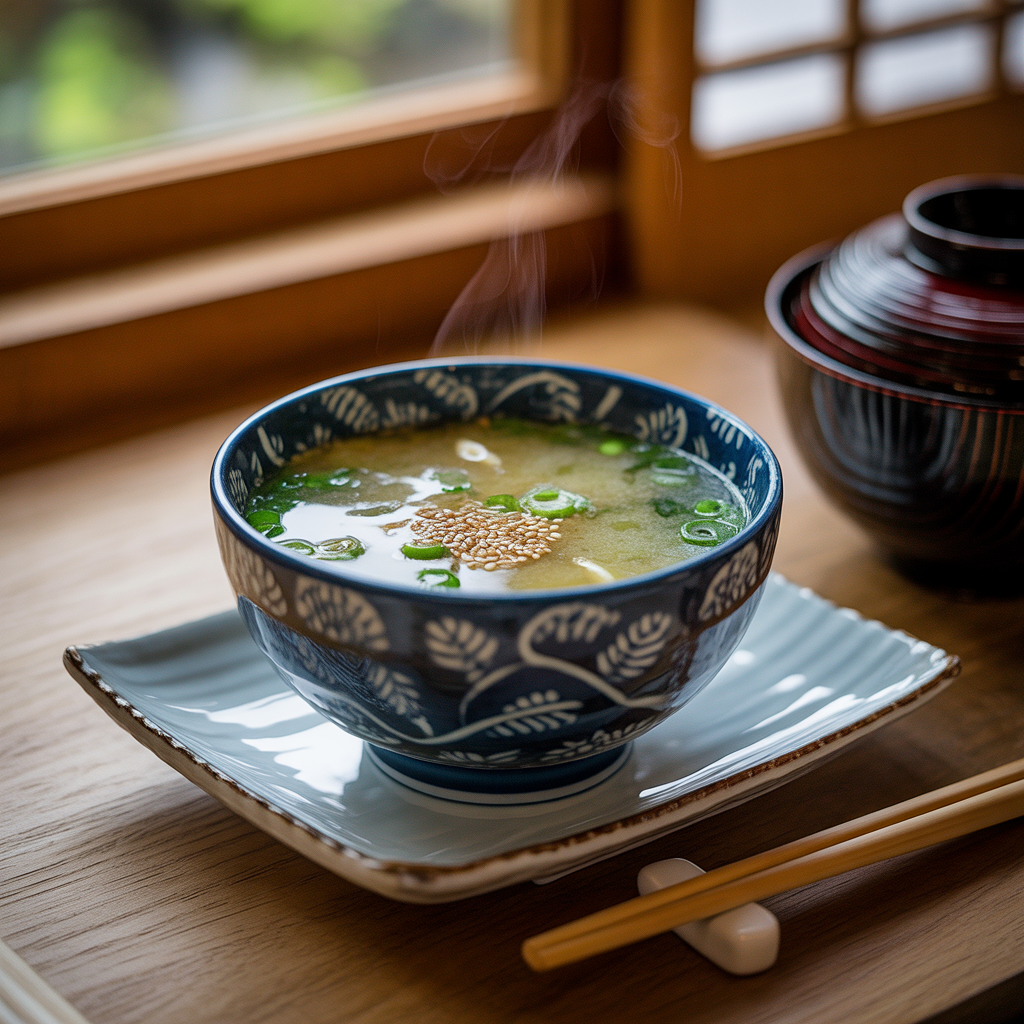

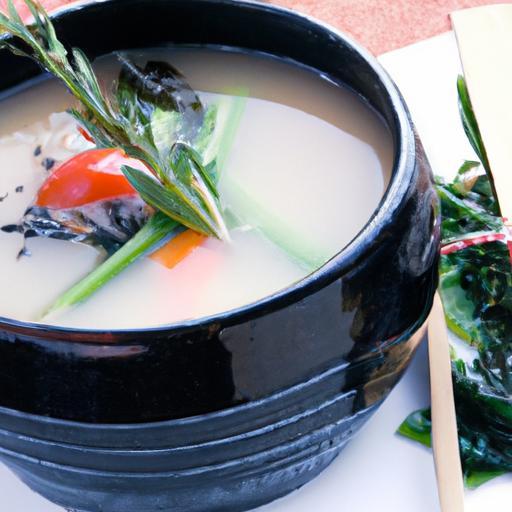
There’s something quietly comforting about a warm bowl of miso soup-the gentle swirl of savory broth, the subtle umami notes, and those tender bits of tofu and seaweed floating within. Beyond its rich flavors and soothing warmth, miso soup holds a secret that makes it a favorite among health-conscious food lovers: it’s incredibly low in calories. In a world where snack choices can tip the scales, this humble Japanese staple offers a guilt-free indulgence that satisfies both palate and wellness goals. Join us as we dive into the world of miso soup calories,uncovering why this savory sip deserves a spot in your regular meal rotation.
Miso soup calories are surprisingly low,making this traditional Japanese dish a nourishing and guilt-free choice to enjoy any time of day. Beyond its delicate umami flavor, miso soup offers a depth of health benefits thanks to its fermented base and fresh ingredients. Originating from ancient Japan as a simple broth to accompany meals, today it’s celebrated worldwide for both its savory satisfaction and nutritional richness.
Prep and cook Time
- Preparation: 10 minutes
- Cooking: 15 minutes
- Total Time: 25 minutes
Yield
Serves 4 comfortably as a starter or light snack
Difficulty Level
easy – Perfect for beginners and busy home cooks
Ingredients
- 4 cups water or dashi broth (homemade or instant granules)
- 3 tablespoons white or yellow miso paste (avoid paste with additives)
- 1/2 cup silken tofu,cut into 1/2-inch cubes
- 1/4 cup wakame seaweed (dried),soaked and drained
- 2 green onions,thinly sliced
- 1 teaspoon soy sauce (optional,for extra depth)
- 1/2 teaspoon toasted sesame seeds (for garnish)
Instructions
- Prepare the broth. If using dashi granules, dissolve them in 4 cups of hot water. For a more authentic flavor,simmer kombu and bonito flakes for 10 minutes,then strain.
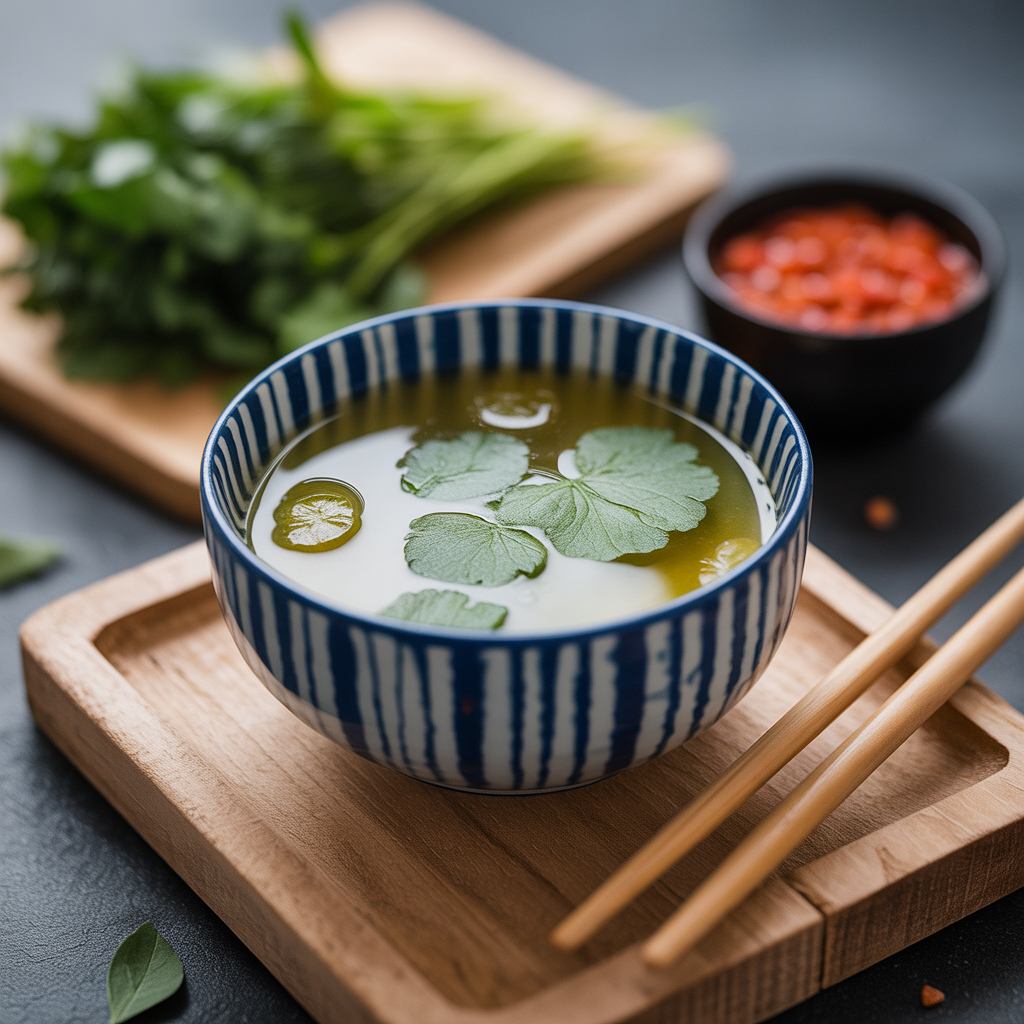
- Soak the wakame. Place dried wakame in a small bowl of cold water for about 5 minutes until it blooms into vibrant green and tender.
- Heat the broth gently. Warm the broth until steaming but avoid boiling, as excessive heat can destroy the delicate probiotics in miso.
- Dissolve the miso. Place miso paste in a small bowl and ladle a half cup of warm broth into it. Whisk until smooth, then stir this mixture back into the pot.
- Add tofu and wakame. Gently stir in the tofu cubes and rehydrated wakame, warming for 2-3 minutes without boiling.
- Season lightly. Add soy sauce if desired, then remove from heat. Stir in sliced green onions for freshness and mild bite.
- serve immediately. Ladle into bowls and sprinkle toasted sesame seeds atop for a lovely nutty crunch and visual contrast.
Chef’s Notes
- For a richer broth, simmer shiitake mushrooms with the dashi ingredients before straining.
- Keep miso out of boiling water to preserve its beneficial enzymes and probiotics.
- Try red miso for a bolder flavor or barley miso for nuttier undertones.
- Make-ahead kind: Prepare the broth and keep tofu and wakame separate until serving for optimal texture.
- Vegan option: Use kombu-only dashi and skip soy sauce or use tamari.
Serving Suggestions
Present your miso soup in traditional lacquer bowls or delicate ceramic cups for an authentic experience. garnish with thinly sliced green onions and sprinkle toasted sesame seeds for added aroma. Complement the soup with steamed rice, edamame, or a crisp cucumber salad for a full, guilt-free meal.
| Nutrient | Per serving (1 cup) |
|---|---|
| Calories | 45 kcal |
| Protein | 3 g |
| Carbohydrates | 4 g |
| Fat | 1.5 g |
Discover how you can incorporate this savory sip into your daily routine without sacrificing flavor or nutrition. For more flavorful and low-calorie soups, see our related Healthy Japanese Recipes. To deepen your understanding of miso’s fermentation process, visit the ScienceDaily fermentation article.

Q&A
Q&A: Miso Soup Calories – A Savory Sip Without the Guilt
Q1: What exactly is miso soup, and why is it so popular?
A1: miso soup is a traditional Japanese broth made from miso paste-fermented soybeans blended with rice or barley-and dashi, a flavorful stock usually derived from seaweed and bonito flakes. Its warm, umami-rich profile makes it a comforting staple worldwide, cherished not only for its taste but also for its nutritional benefits.
Q2: How many calories are typically found in a serving of miso soup?
A2: A typical cup (around 240 ml) of miso soup usually contains between 40 to 60 calories. The calorie count can vary slightly based on ingredients like tofu, seaweed, or green onions, but it’s a low-calorie delight perfect for a guilt-free sip.
Q3: What makes miso soup a healthy choice beyond just being low in calories?
A3: Beyond its modest calorie count,miso soup is packed with probiotics from the fermentation process,which can support gut health. it also offers a modest amount of protein, antioxidants, vitamins, and minerals like zinc and manganese, all while being naturally low in fat.
Q4: Can miso soup help with weight management?
A4: Absolutely! As miso soup is low in calories yet satisfying and packed with umami flavor, it can serve as a subtle appetite suppressor or a smart starter to meals, helping reduce overall calorie intake without feeling deprived.
Q5: Are there any calorie pitfalls to watch out for when enjoying miso soup?
A5: While classic miso soup is low-calorie, some restaurant or instant versions may include added oils, sugars, or high-sodium flavor enhancers that bump up the calorie and salt content. Always check labels or ask about ingredients if you’re watching your intake closely.
Q6: How can I keep my homemade miso soup light and healthy?
A6: Stick to traditional ingredients-miso paste, dashi, tofu, wakame seaweed, scallions-and avoid heavy add-ins like fried toppings or creamy elements. Using low-sodium miso can also keep the soup heart-friendly while maintaining its signature taste.
Q7: Is miso soup suitable for all diets?
A7: Miso soup is naturally vegan and gluten-free when made with appropriate dashi. Its versatility and nutrient profile make it compatible with most diets, from paleo to plant-based. However, those sensitive to soy or salt should enjoy it in moderation.
Q8: Any fun ways to boost miso soup’s nutritional profile without adding many calories?
A8: Toss in fresh mushrooms, spinach, or shredded carrots for extra fiber and vitamins without substantially impacting calories. A sprinkle of sesame seeds can add calcium and a satisfying crunch, turning your savory sip into a nutrient powerhouse.
Whether you’re a seasoned soup lover or dipping your spoon into miso for the first time, its flavorful depths and light calorie footprint make it a smart and satisfying choice. So go ahead-sip savvily and savor the goodness without guilt!
Future Outlook
Whether you’re seeking a comforting start to your meal or a light, nourishing pick-me-up, miso soup proves that savor and simplicity can coexist beautifully. Low in calories yet rich in flavor and nutrients, this humble bowl invites you to enjoy every sip without an ounce of guilt. So next time you crave something warm and satisfying, remember that miso soup isn’t just a tradition-it’s your flavorful, waistline-friendly ally in the quest for mindful eating. Cheers to savoring health, one savory spoonful at a time!