
Hidden beneath its tangled golden strands and curious gourd-like shell lies a vegetable that’s been quietly redefining teh way we think about pasta alternatives: the spaghetti squash.Frequently enough overshadowed by its more popular carb-heavy cousins, this vibrant squash offers a surprising twist-not just in texture, but in its calorie count. In this article, we’re peeling back the layers of spaghetti squash, uncovering the truths and myths about its calorie content, and revealing why this humble vegetable might just be the secret weapon in your quest for a lighter, healthier plate. Get ready to explore the flavorful world where nutrition and indulgence meet, one noodle-like strand at a time.
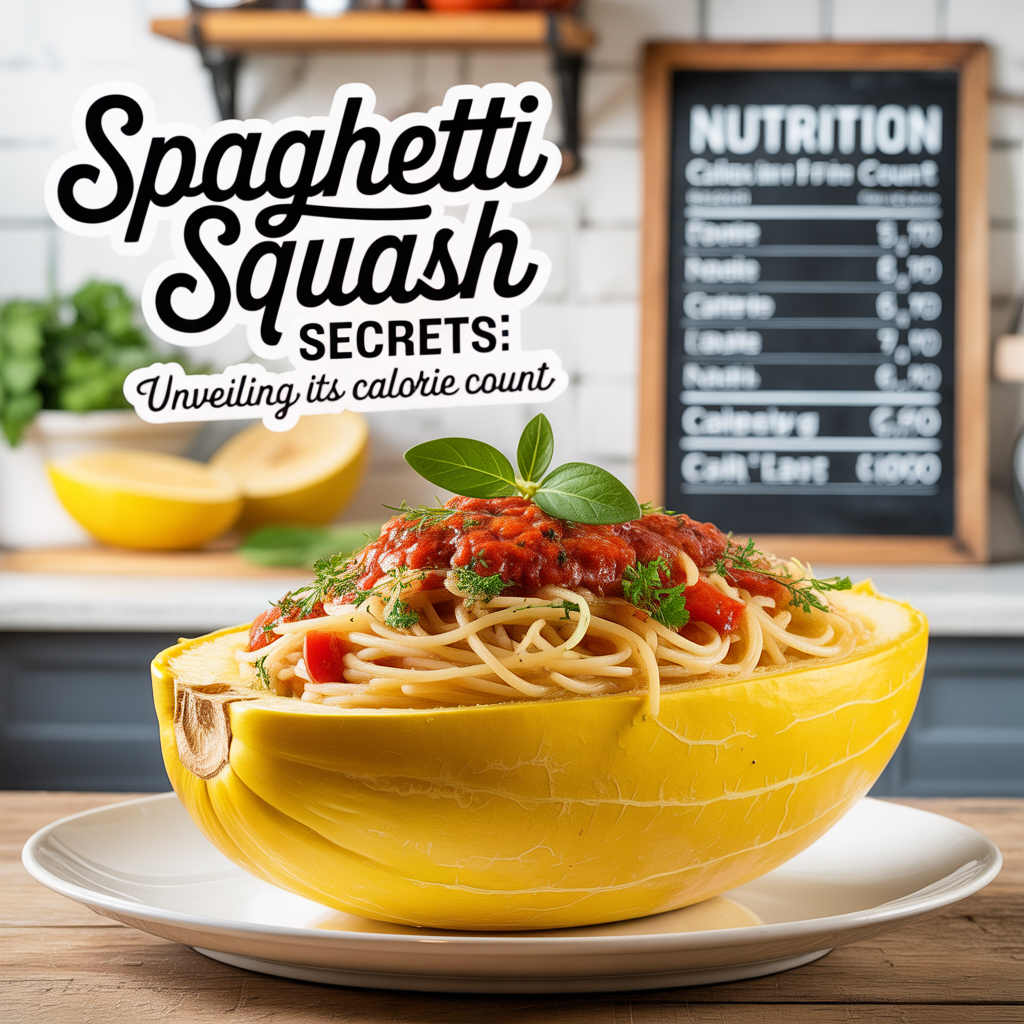
Spaghetti Squash Secrets: Unveiling Its Calorie Count invites you to explore this versatile vegetable that’s as nutritious as it is flavorful. Originating from the Americas, spaghetti squash has long been treasured for its unique stringy texture that perfectly mimics pasta, making it a favorite for those seeking lighter, wholesome alternatives. Whether you’re aiming to cut calories without sacrificing comfort or simply curious about a natural low-carb substitute, understanding its nutritional profile unlocks the key to incorporating it thoughtfully into any meal.
Prep and Cook Time
Preparation: 10 minutes | Cooking: 40 minutes | Total Time: 50 minutes
Yield
Serves 4
Difficulty Level
Easy
Ingredients
- 1 medium spaghetti squash (about 3 pounds)
- 2 tablespoons extra virgin olive oil
- 1 teaspoon kosher salt
- ½ teaspoon freshly ground black pepper
- 1 teaspoon garlic powder (optional)
- Fresh parsley or basil for garnish
Instructions
- Preheat your oven to 400°F (200°C). Line a baking sheet with parchment paper for easy cleanup.
- Prepare the spaghetti squash by slicing it in half lengthwise using a sharp chef’s knife. Use a spoon to scoop out the seeds and stringy pulp from the cavity.
- Brush the cut sides of the squash with extra virgin olive oil. Sprinkle evenly with kosher salt, black pepper, and garlic powder if using.
- Place the squash halves cut-side down on the prepared baking sheet. This helps steam the interior and keeps the strands moist.
- roast for 35-40 minutes – test doneness by inserting a fork into the flesh. It should pierce easily, and the flesh will separate into spaghetti-like strands when scraped with a fork.
- Remove from oven and let cool slightly for about 5 minutes. Using a fork, gently scrape the flesh into long strands inside a large bowl.
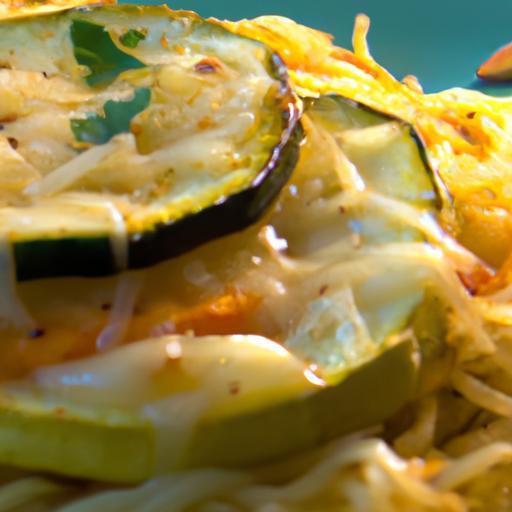
- Toss the strands with a drizzle of olive oil and adjust seasoning with salt and pepper to taste. Garnish with freshly chopped parsley or basil for a burst of color and freshness.
Chef’s Notes
- Alternative cooking methods: Spaghetti squash can also be steamed or microwaved for faster preparation. However, roasting enhances its natural sweetness and produces the best texture.
- Make-ahead tip: Cooked spaghetti squash stores well in an airtight container in the fridge for up to 5 days, perfect for quick meals throughout the week.
- Substitutions: Swap olive oil for avocado oil or duck fat for richer flavor variations.
- Flavor boosters: Stir in freshly grated Parmesan, crushed red pepper flakes, or lemon zest to customize the dish.
- Troubleshooting: If your squash strands are mushy, it may be overcooked – try reducing baking time by 5-10 minutes next time.
Serving Suggestions
Serve your spaghetti squash as a light main dish by topping it with a hearty marinara sauce, sautéed mushrooms, or grilled chicken slices. For a fresh summer twist, toss the strands with cherry tomatoes, olives, and crumbled feta. Garnishing with microgreens or a sprinkle of toasted pine nuts adds textural contrast and visual appeal. Don’t forget to drizzle a little extra virgin olive oil just before serving to boost flavor and richness.

Understanding Spaghetti Squash’s Nutritional Profile
Spaghetti squash is a nutrient-dense vegetable perfect for calorie-conscious eaters. A single cup of cooked spaghetti squash contains approximately 42 calories, making it an excellent low-calorie alternative to traditional pasta. Beyond its low calorie count,this vibrant yellow squash packs over 2 grams of fiber and nearly 1 gram of protein per serving,supporting digestion and sustained energy.
Its unique cooking method-primarily roasting-helps retain its essential vitamins like vitamin C and B6, along with antioxidants that support immune health. Unlike calorie-heavy pasta dishes, spaghetti squash offers more volume with fewer calories, helping with portion control and weight management.
| Nutrient | Amount per 1 cup (cooked) |
|---|---|
| Calories | 42 kcal |
| Protein | 1 g |
| Carbohydrates | 10 g |
| Dietary Fiber | 2.2 g |
| Fat | 0.4 g |
| Vitamin C | 5 mg (9% DV) |
Health benefits Beyond the Calories
Eating spaghetti squash offers more than just calorie savings-it’s a powerhouse of nutrients that promote overall wellness. Its antioxidant content helps combat free radicals, and the fiber aids gut health by promoting a healthy microbiome.The low glycemic index supports balanced blood sugar levels, making it a fantastic option for diabetics or those managing insulin sensitivity.
Additionally,its potassium content helps regulate blood pressure,and the B vitamins contribute to energy metabolism and brain health. Replacing high-carb, calorie-dense pasta with spaghetti squash can also reduce inflammation and support heart health in the long term.
Smart Tips for incorporating Spaghetti Squash into a Balanced Diet
- Mix it up: Combine spaghetti squash with whole grains or lean proteins for a nutritionally balanced dish that satisfies hunger.
- Plan ahead: Roast a large batch early in the week and refrigerate for quick salad bases, stir-fries, or healthy lunch bowls.
- Experiment with cuisines: Use spaghetti squash in Asian-inspired dishes with sesame oil and soy sauce, or sprinkle with Italian herbs for Mediterranean flair.
- Boost color and nutrients: Add vibrant veggies like bell peppers,spinach,or roasted tomatoes to elevate the dish visually and nutritionally.
- Portion control: Because of its low calorie density, feel free to enjoy generous servings without guilt-perfect for weight management plans.
For further inspiration on using low-calorie vegetables in everyday meals, check out our comprehensive guide on healthy Vegetable recipes. to dive deeper into the scientific benefits of dietary fiber and low-glycemic foods, visit the American Society for Nutrition.
Q&A
Q&A: Spaghetti Squash Secrets – Unveiling Its Calorie Count
Q1: What makes spaghetti squash a popular alternative to traditional pasta?
A1: Spaghetti squash has carved out a delicious niche as a low-carb, nutrient-packed alternative to traditional pasta. When cooked, its flesh naturally separates into thin, spaghetti-like strands, making it a fun and versatile base for a variety of sauces and toppings-all while offering a lighter calorie load.
Q2: So, what’s the calorie count of spaghetti squash?
A2: Here’s the secret uncovered-one cup of cooked spaghetti squash typically contains about 40 calories. That’s a fraction of the calories found in a cup of regular cooked pasta, which can clock in around 200 calories or more! It’s a blessing for those watching their calorie intake but craving that satisfying, noodle-like texture.
Q3: does the calorie content change depending on how you prepare it?
A3: Absolutely! The plain, cooked squash is low in calories, but add butter, oil, cheese, or creamy sauces, and those numbers climb quickly.For the purest calorie count, stick to roasting or steaming the squash with minimal added fats and seasonings-letting its natural flavor shine.
Q4: Beyond calories,does spaghetti squash offer any nutritional perks?
A4: Oh yes! Spaghetti squash is not just a calorie-light wonder; it’s loaded with fiber,vitamins A and C,and essential minerals like potassium and manganese.It supports digestion, immunity, and overall vitality, making it a truly guilt-free indulgence.
Q5: What’s the best way to enjoy spaghetti squash while keeping it healthy?
A5: Keep it simple and smart. Roast the squash until tender, scrape out the strands, and toss with fresh herbs, a drizzle of olive oil, and a sprinkle of Parmesan. or mix it into a garden veggie medley for a nutrient-rich, low-calorie meal that satisfies both your taste buds and your waistline.
Q6: Can spaghetti squash fit into weight loss or low-calorie meal plans?
A6: Definitely! Its low calorie count and high fiber content make it a superstar for weight loss and calorie-conscious diets. It fills you up without filling you out-perfect for anyone looking to enjoy satisfying meals while staying on track.
Q7: Any insider tips for selecting and cooking the perfect spaghetti squash?
A7: Look for a squash that feels firm, with a radiant yellow tint and no soft spots. When cooking, poke a few holes and microwave for a speedier prep, or roast whole to bring out a richer, sweeter flavor. Once cooked,scrape gently with a fork to reveal those signature spaghetti-like strands ready for your culinary creativity!
Unlocking the secrets of spaghetti squash means diving into a world where flavor meets fitness. So next time you crave pasta, remember this humble gourd’s low-calorie charm and let it twirl onto your plate!
To Conclude
As we wind down our culinary journey through the vibrant world of spaghetti squash, one thing becomes clear: this humble gourd is a powerhouse of flavor wrapped in a delightfully low-calorie package. Understanding its calorie count not only empowers your meal planning but also unlocks endless possibilities for nutritious, guilt-free dishes. Whether you’re seeking a lighter pasta alternative or simply exploring new ways to savor veggies, spaghetti squash stands ready to transform your plate-and your palate-with its secret blend of health and taste. So next time you slice into that golden orb, remember, you’re not just serving a side; you’re unveiling nature’s clever little secret to wholesome eating.