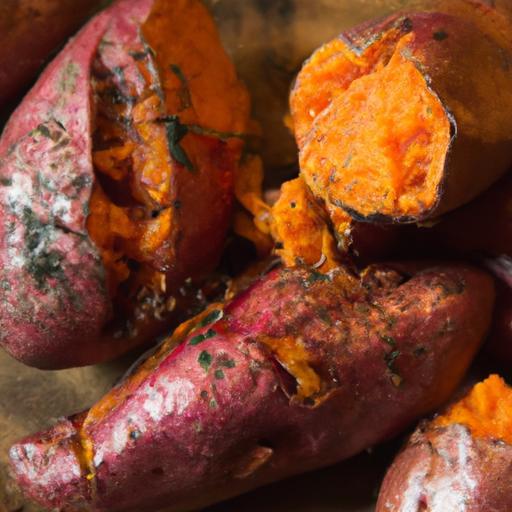

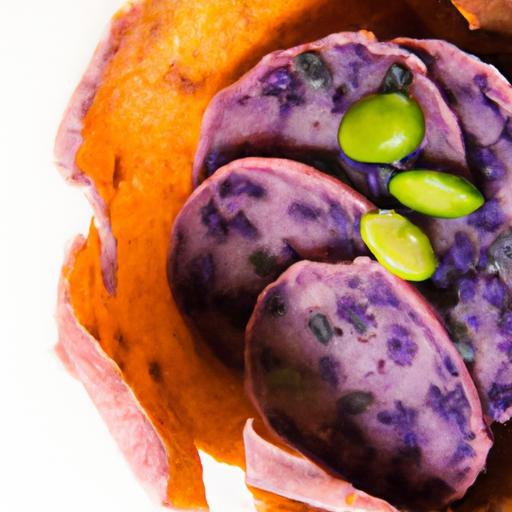
Beneath the earth’s colorful tapestry lie two vibrant root vegetables that often spark curiosity and confusion: the purple yam and the purple sweet potato. Both boast stunning hues ranging from deep violet to royal purple, captivating chefs and food lovers alike with their versatility and nutritional benefits. Yet,despite their similar appearances,these two roots hail from distinct botanical families and carry unique flavors,textures,and cultural histories. In this article, we’ll peel back the layers to unravel the stories behind the purple yam and the purple sweet potato-nature’s radiant, purple-hued treasures-and explore what makes each one a remarkable ingredient in kitchens around the world.
Purple yam vs. Purple Sweet Potato: these vibrant roots have long been celebrated not only for their stunning hues but also for their deep cultural roots and nutritional prowess. Originating from distinct regions yet often mistaken for one another, both bring unique stories, flavors, and health benefits to the table. Whether you’re exploring Filipino ube desserts or Japanese sweet potato dishes, understanding these differences will inspire your kitchen creativity and elevate your culinary repertoire.
Prep and Cook Time
- Planning: 15 minutes
- Cooking: 30-40 minutes
- Total: 45-55 minutes
Yield
Serves 4 generous portions
Difficulty Level
Medium – perfect for adventurous home cooks ready to experiment with vibrant, nutritious roots.
Ingredients
- 2 cups purple yam (ube), peeled and cubed
- 2 cups purple sweet potato, peeled and cubed
- 1 cup coconut milk
- 1/2 cup granulated sugar
- 1 tsp vanilla extract
- 1/4 tsp salt
- 2 tbsp unsalted butter
- 1/4 cup toasted coconut flakes (optional garnish)
Instructions
- prepare the roots: Wash, peel, and cube the purple yam and purple sweet potato separately to preserve their individual textures and flavors.
- Steam or boil: Steam the purple yam cubes for about 25-30 minutes until tender but not mushy. Purple sweet potatoes tend to cook a bit faster – check after 20-25 minutes to avoid overcooking.
- Mash and mix: Using a fork or potato masher, mash each root into a smooth texture while still warm. Set aside separately.
- Cook with coconut milk: In a medium saucepan over low heat, combine coconut milk, sugar, vanilla extract, and salt. Stir until the sugar dissolves and the mixture is warm.
- Add the roots: Gently fold in the mashed purple yam first,cooking for 5 minutes. Then add the purple sweet potato, stirring until the mixture thickens slightly and the vibrant colors meld beautifully.
- Finish with butter: Stir in unsalted butter to add richness and a silky finish, cooking for an additional 2-3 minutes.
- Serve and garnish: Transfer to serving bowls and sprinkle toasted coconut flakes on top for crunch and visual contrast.
Chef’s Notes
- For an extra creamy texture, substitute half of the coconut milk with heavy cream.
- If purple yam is unavailable, frozen or powdered versions often retain flavor; just adjust cooking times accordingly.
- To highlight differences, try making two separate dishes side by side to savor the distinct nuttiness of purple yam and the sweeter, denser purple sweet potato.
- This recipe is ideal for make-ahead meals-store in an airtight container and refrigerate for up to 3 days; gently reheat with a splash of coconut milk.
- Swap granulated sugar with coconut sugar or honey to add nuanced depth and keep it naturally sweetened.
Serving Suggestions
Enjoy this dish warm as a heartwarming dessert or an afternoon treat. It pairs beautifully with a scoop of vanilla ice cream, fresh tropical fruits like mango or pineapple, or a light drizzle of maple syrup. for festive occasions,serve in glass cups layered with crushed nuts or a sprinkle of edible flowers to celebrate the vibrant purple hues. the contrasting textures of creamy, dense roots and toasty coconut create an irresistible sensory experience.
Nutritional Information
| Nutrient | Purple Yam (per 100g) | Purple Sweet Potato (per 100g) |
|---|---|---|
| Calories | 120 kcal | 90 kcal |
| Protein | 1.5 g | 2.0 g |
| carbohydrates | 28 g | 21 g |
| Fat | 0.2 g | 0.1 g |
| Fiber | 4 g | 3 g |
| Vitamin C | 12% DV | 22% DV |
for further reading about the nutritional benefits of these vibrant roots, visit the NutritionValue.org Purple Root Profiles.
Explore more recipes that maximize the stunning color and nourishing benefits of these roots, making your meals both lovely and wholesome.

Q&A
Q&A: Purple Yam vs. Purple Sweet Potato – Nature’s Vibrant Roots Explained
Q1: What exactly are purple yams and purple sweet potatoes? Are they the same thing?
A: Though frequently enough confused due to their strikingly similar hues, purple yams and purple sweet potatoes are botanically different root vegetables. Purple yams,scientifically known as Dioscorea alata,belong to the yam family and originate from Southeast Asia. Purple sweet potatoes, usually Ipomoea batatas, are part of the morning glory family and have origins in Central and South America. They share vibrant purple flesh but differ in texture, taste, and culinary uses.
Q2: How can I tell purple yams apart from purple sweet potatoes just by looking at them?
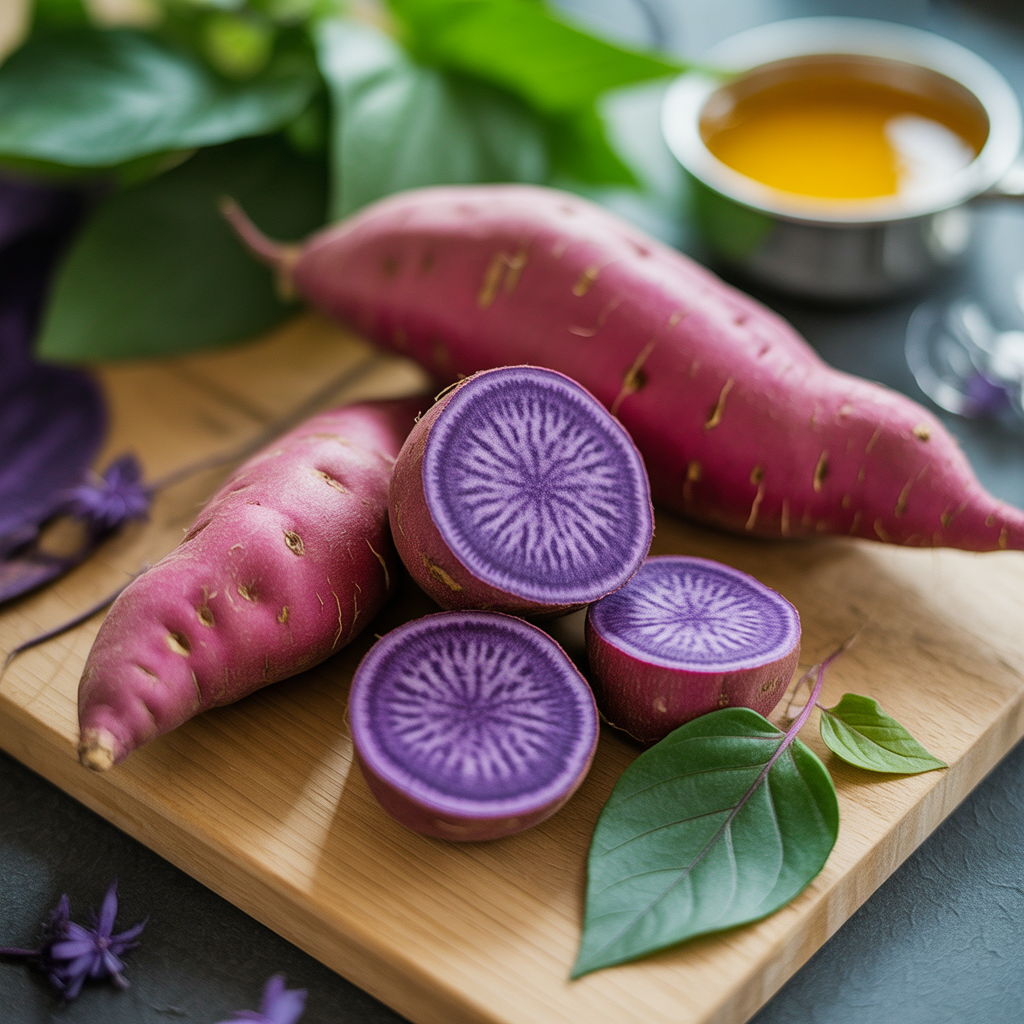
A: Purple yams tend to have rough, thicker skins with a cylindrical, tapered shape. Their flesh is usually dense, dry, and starchy, sometimes featuring a slightly gritty texture. Purple sweet potatoes have smoother skins that can range from light purple to reddish or even brown, often with a more elongated, tapered shape. Their flesh is generally moister and sweeter, with a creamier texture when cooked.
Q3: What causes the deep purple color in these roots?
A: The vivid purple hues come from natural antioxidants called anthocyanins-the same pigments that give blueberries and blackberries their rich color. These compounds are prized not only for their eye-catching appearance but also for potential health benefits, including anti-inflammatory and antioxidant properties.
Q4: How do their flavors compare?
A: Purple yams have a mildly sweet, nutty flavor with earthy undertones. Their drier texture makes them excellent for dishes requiring firmness,such as island-style desserts and savory stews. Purple sweet potatoes,conversely,have a more pronounced sweetness and creamier mouthfeel,making them perfect for mashing,baking,or adding a naturally sweet flair to dishes.
Q5: Are their nutritional profiles different?
A: Both roots are nutritious powerhouses packed with fiber, vitamins, and minerals. Purple yams tend to be higher in carbohydrates and starch, offering sustained energy, while purple sweet potatoes are rich in beta-carotene (especially certain varieties) and often contain more moisture. The anthocyanin content can vary, but both contribute valuable antioxidants to the diet.
Q6: How are purple yams and purple sweet potatoes traditionally used in cooking?
A: Purple yams are a star ingredient in Filipino ube ice cream, taro cakes, and Hawaiian desserts. Their starchy texture holds up well in boiling or steaming. Purple sweet potatoes shine in Japanese imo snacks,Sri Lankan curries,and Western-style baked goods. Their natural sweetness allows them to take center stage in pies, muffins, and even vibrant purple fries.
Q7: Can I substitute one for the othre in recipes?
A: In many cases, yes-but with a little imagination. Purple sweet potatoes’ creamier texture and sweeter flavor might make desserts richer, while purple yams will add a more robust, earthy depth. When swapping, consider adjusting moisture and sweetness levels to get your desired result.
Q8: Where can I find these roots? Are they seasonal?
A: Both are increasingly available worldwide, thanks to growing interest in exotic and superfood ingredients. Purple sweet potatoes can frequently enough be found in supermarkets year-round, especially in Asian markets. Purple yams might potentially be a bit more seasonal and specialty-focused but are gaining popularity in global cuisines and specialty stores.
Q9: Why are purple yams and sweet potatoes gaining so much popularity now?
A: Beyond their mesmerizing color and unique flavors, these roots fit perfectly into today’s culinary and health trends. They’re gluten-free, rich in fiber and antioxidants, and lend themselves to inventive, visually stunning dishes-from smoothies and cakes to savory bowls.Plus, their connection to diverse cultures adds a flavorful story to every bite.
Q10: What’s the best way to cook these vibrant roots to preserve their color and nutrition?
A: Gentle cooking methods like steaming or baking help maintain their bright purple hues and nutrient content. Avoid over-boiling or excessive water, which can dull the color and leach vitamins. Roasting or microwaving are also great options to keep their vibrant appeal intact.
Whether you choose purple yam or purple sweet potato, embracing these vibrant roots means bringing a splash of natural color, rich history, and wholesome nutrition to your table.Nature’s purple palette has never tasted so good!
In Conclusion
As we peel back the layers of these vibrant roots, it’s clear that both purple yam and purple sweet potato bring their own unique splash of color and charm to the table. Whether you’re drawn to the creamy, earthy richness of the purple yam or the subtly sweet, moist texture of the purple sweet potato, embracing either can add a nutritious and eye-catching twist to your culinary creations. Nature’s palette offers more than just beauty-it serves up flavors and traditions steeped in culture and history.So next time you spot these radiant roots at the market, let your curiosity lead the way, and celebrate the delicious diversity that lies beneath their purple skin.